

Dec . 01, 2025 22:35 Back to list
Folding Net for Bed – Space-Saving & Protective Bed Nets for Every Need
The Rising Importance of Folding Nets for Beds: What You Should Know
At first glance, a folding net for bed might sound like a niche gadget, but globally it’s quietly emerging as a practical solution to a variety of challenges — from space-saving furniture design in urban apartments to essential gear in humanitarian aid setups. Understanding why these compact, flexible bed nets matter worldwide touches on everything from efficient living to relief logistics with simple, clever tech that both saves space and provides safety.
Global Context: Why Folding Nets for Beds Are More Than Just Convenience
In an increasingly urbanized world—where the UN reports over 55% of the population lives in cities—space saving is more than an inconvenience; it’s essential. Yet, beyond cramped city apartments, folding nets for beds play a surprisingly crucial role. For example, the International Federation of Red Cross and Red Crescent Societies frequently uses bed nets that fold down for quick transportation during humanitarian crises where mosquito-borne diseases are rampant. According to WHO, malaria kills over 400,000 people annually, mostly in Africa.
So, here’s the paradox: something as simple as a net that folds neatly can be a frontline defense in saving lives and solving space problems alike.
What Exactly Is a Folding Net for Bed?
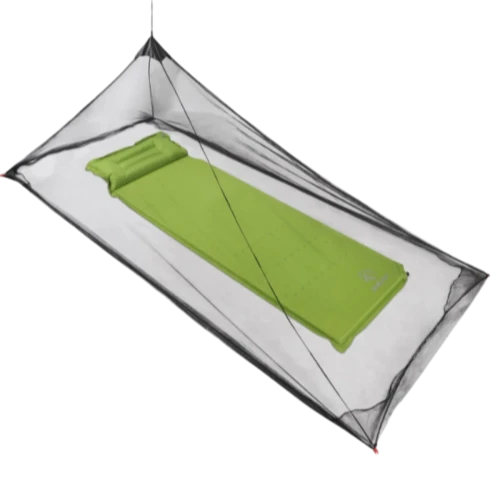
Simply put, a folding net for bed is a mesh barrier designed to fit over beds, protecting sleepers from insects and pests. It folds compactly for storage or transport, often supported by lightweight frames or integrated with bed structures. These devices are common in tropical regions to combat disease-carrying mosquitoes, but modern versions have also found their way into urban minimalism and energy-conscious designs.
Its relevance bites into both daily home life and larger industrial or humanitarian sectors — all centered on the same need: maximize comfort while minimizing space or health risk.
Key Features of Folding Nets for Beds
1. Durability
Most folding bed nets use polyester or nylon mesh that resists tearing. Durability matters especially in disaster zones where repeated use and rough handling are inevitable.
2. Lightweight & Portability
Folding nets are designed to be light enough to carry multiple units in kits — something NGOs love when airing supplies airside. Some weigh less than a kilogram and can fit in a backpack.
3. Protection Efficacy
The finest netting features tiny mesh holes preventing even the smallest mosquitoes, while maintaining airflow and comfort—critical in hot climates.
4. Ease of Setup
Pop-up and foldable frame designs mean users can deploy the net easily, often within seconds. This matters in chaos, whether post-disaster or simply waking up in a tiny urban flat.
5. Cost Efficiency
Mass-produced folding bed nets are surprisingly affordable, which makes them accessible to low-income households and large aid agencies alike.
6. Scalability
These nets come in various sizes and configurations, suitable from a child’s cot to a king-size bed, or even communal dorm-style lodging. Flexibility is key.
Mini takeaway: Folding nets for beds aren’t just cotton candy solutions — they merge function with versatility, addressing durability, portability, protection, and cost in one neat package.
Global Applications & Real World Uses
Applications span continents and industries:
- Humanitarian Relief: In places like sub-Saharan Africa, folding bed nets arrive with emergency medical teams to curb insect-borne diseases.
- Urban Living: Tokyo micro-apartments and European city studios benefit from nets that fold away, allowing sleep space to morph into daytime living area.
- Healthcare Settings: Hospitals in tropical climates use bed nets to reduce infection risks, especially in paediatric wards.
- Military & Field Operations: Compact and quick-deploy nets protect soldiers sleeping in tents or bivouac shelters.
For instance, NGOs working in flood-prone Bangladesh use sets of folding nets for beds when camps form, where the risk of mosquito outbreaks spikes each monsoon season.
Specification Table: Typical Folding Net for Bed
| Feature | Specification |
|---|---|
| Material | Polyester mesh (high-density, 156 mesh/in²) |
| Weight | Approx. 900 grams |
| Folded Dimensions | 30 x 25 x 5 cm |
| Setup Time | Under 30 seconds |
| Protection Level | Blocks mosquitoes >0.6 mm |
| Color Options | White, light grey, beige |
Advantages and Long-Term Value
From a cost perspective, folding bed nets are a bargain — even when replacing annually, they cost a fraction compared to medical treatment costs from mosquito-borne illnesses. Besides monetary value, their social impact is profound: safeguarding dignity by giving a barrier against insects in basic shelters, hospitals, or dormitories. This little net feels kind of like a safety blanket in places where few other comforts exist.
Environmentally, they’re typically reusable and made to last seasons, reducing waste compared to single-use alternatives. Plus, being lightweight and compact cuts down on transportation carbon footprints, which NGOs and green companies appreciate.
Looking Ahead: Innovations in Folding Nets for Beds
Emerging trends are fascinating here. Some companies experiment with mosquito-repellent fabric coatings that don’t rely on chemicals, extending safety without toxicity. Smart textiles that can change mesh density or glow in the dark are also in prototype. There’s buzz about integrating solar-powered mini-fans into the nets to increase airflow at night without energy waste.
Automation in manufacturing is pushing prices down and improving quality — which, frankly, is good news for the millions who need these nets but formerly found them too expensive.
Challenges and How They’re Being Tackled
Despite clear benefits, not everything’s perfect; folding nets occasionally suffer from tearing or frame breakage, especially when used roughly. Some users find setup confusing if instructions aren’t clear, potentially delaying crucial protection.
Manufacturers are responding with tutorials, better frame materials like lightweight aluminum alloys, and even smartphone-compatible QR-code guides. There’s ongoing research to improve UV resistance so nets last longer in sunny conditions.
Vendor Comparison Table
| Vendor | Price Range (USD) | Material Quality | Setup Ease | Durability | Global Shipping |
|---|---|---|---|---|---|
| NimbleNets | $18–$22 | High | Very Easy | Good | Yes |
| SafeSleep Gear | $25–$30 | Premium | Moderate | Excellent | Limited |
| EcoNest Solutions | $15–$20 | Medium | Easy | Fair | Yes |
FAQ: Common Questions About Folding Nets for Beds
Q1: How easy is it to set up a folding net for bed?
A1: Most folding nets are designed for rapid deployment — often within 30 seconds. They usually come with lightweight frames or pop-up mechanisms that fold flat for storage. Minimal tools or special knowledge are required, making them suitable even for first-time users.
Q2: Can folding nets for beds really prevent mosquito bites?
A2: Yes. High-density mesh panels block mosquitoes and other insects effectively. Many models meet World Health Organization standards for mosquito netting, providing reliable protection especially when used consistently.
Q3: Are there eco-friendly options available?
A3: Absolutely. Some vendors offer nets made from recycled polyester, or coated with non-toxic mosquito repellents derived from natural substances. These options minimize environmental impact without sacrificing protection.
Q4: Can I use a folding net in a small urban apartment?
A4: Definitely. That’s one of the growing markets for folding nets — they save space by folding neatly away during the day, transforming your sleeping area into a living or working space almost instantly.
Q5: How do NGOs typically import and distribute folding nets for beds?
A5: NGOs often bulk-purchase folding nets and distribute them in kits during relief efforts. They rely on vendors offering global shipping and bulk discounts and frequently coordinate with local governments or health ministries to ensure effective distribution.
Wrapping Up: Why Folding Nets for Beds Are Smart Investments
Whether it’s protecting a family in a malaria-prone region, helping a city-dweller reclaim a tiny bedroom, or equipping emergency responders with fast shelter solutions, folding nets for beds hit that sweet spot of affordable, versatile, and vital. It’s odd how such a simple concept manages to connect so many dots — health, design, and sustainability all at once.
If you want to explore how folding nets can transform your space or mission, visit folding net for bed today — it might just fold your problems away.
References



Latest news
-
Best Guide to Choose a Screen Door for Sliding Door for Your Home
NewsApr.16,2026 -
The Ultimate Guide to Choosing a screen door for a sliding door
NewsApr.09,2026 -
Choosing the Perfect Patio Sliding Screen Door for Your Home
NewsApr.07,2026 -
Choosing the Best Patio Screen Door with Frame for Your Home and Lifestyle
NewsApr.04,2026 -
Comprehensive Guide to Net Sliding Door Price Factors and Options
NewsMar.31,2026 -
Enhance Your Outdoor Space with a Durable Net Sliding Door for Balcony
NewsMar.28,2026 -
Discover the Benefits of Net Door Sliding Systems for Modern Homes
NewsMar.26,2026