

Nov . 28, 2025 21:15 Back to list
Comprehensive Guide to Types of Mosquito Net – Global Applications & Innovations
Understanding the Different Types of Mosquito Net and Why They Matter Globally
Globally, mosquito nets have become more than just sleeping aids; they’re frontline warriors in the fight against vector-borne diseases like malaria, dengue, and Zika virus. But not all mosquito nets are created equal. The types of mosquito net you choose can drastically influence protection effectiveness, durability, comfort, and even cultural acceptance. Whether used in bustling urban clinics or remote villages, understanding these variations helps health workers, NGOs, and even travelers make informed decisions.
As the World Health Organization reports, malaria alone caused over 600,000 deaths worldwide in recent years — many of which are preventable through proper use of mosquito nets. This wins us a pretty strong argument to delve into how these nets differ, what makes them tick, and ultimately, how they contribute to healthier communities.
Global Context: The Lifesaving Role of Mosquito Nets
It's fascinating how a simple net, when designed right, can impact public health at a massive scale. According to WHO, over two billion mosquito nets have been distributed in affected regions worldwide since the early 2000s, drastically reducing malaria incidence in hot spots like sub-Saharan Africa and parts of Asia.
Yet there are challenges. Incorrect net use, poor durability, or nets unsuitable for local environments can undermine these efforts. Climate change is also reshaping mosquito habitats, pushing the need for adaptive net solutions.
So, What Exactly Are the Types of Mosquito Net?
At their core, mosquito nets are mesh fabrics created to physically block mosquitoes and other insects from reaching people — primarily while they’re resting or sleeping. But the types vary by material, size, shape, and special treatments.
Some nets come treated with insecticides (like permethrin) to enhance protection, while others focus solely on providing a physical barrier. You’ll also find differences based on how they’re deployed — from simple rectangular nets hung over beds to complete tents or even window screens integrated into housing.
In humanitarian settings, when rapid deployment is key, some nets are designed for easy hanging and quick folding. In terms of industry, certain mosquito nets find use in agriculture too, protecting crops from insect damage, proving how versatile these products really are.
Key Properties Shaping the Effectiveness of Mosquito Nets
1. Material & Mesh Size
Nylon, polyester, and polyethylene are the common fabrics you'll find. Nylon is popular for its softness and flexibility, while polyester generally offers better UV resistance. Mesh size is crucial — small enough to block mosquitoes but large enough to allow airflow and avoid discomfort.
2. Insecticide Treatment
Long-lasting insecticidal nets (LLINs) have become a gold standard. They incorporate chemicals that repel or kill mosquitoes on contact, significantly reducing disease transmission. However, their lifespan and effectiveness depend on proper maintenance.
3. Durability & Tear Resistance
For houses, camps, or field use, torn nets quickly lose value. Reinforced edges, double stitching, and thicker threads contribute to longer-lasting nets, which is critical in resource-limited settings.
4. Shape and Ease of Installation
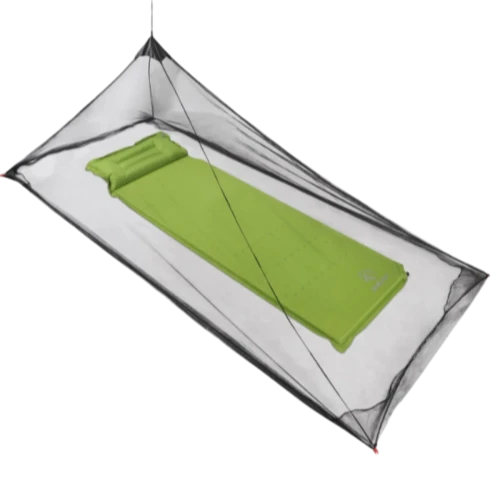
Rectangular, conical, or tent-shaped versions each reflect cultural preferences or practical considerations like room size and available mounting points. Ease of hanging and storage matters, especially in emergency relief scenarios.
5. Cost and Availability
Inexpensive nets allow wider distribution but might compromise durability or treatment quality. NGOs often balance unit cost against longevity and protective value.
| Feature | Typical Range / Option | Remarks |
|---|---|---|
| Material | Polyester, Nylon, Polyethylene | Varies by region & durability needs |
| Mesh Size | 156–625 holes/in² (approx.) | Balance between airflow & mosquito exclusion |
| Insecticide Treatment | Permethrin, Deltamethrin | LLINs last ~3-5 years |
| Shape | Rectangular, Conical, Tent | Based on locale preferences |
| Weight | 100–200 g/m² | Affects portability & durability |
Real World Uses: Mosquito Nets in Action
Across Africa, Asia, and Latin America, LLINs distributed by organizations like UNICEF and The Bill & Melinda Gates Foundation have saved millions of lives. In emergency relief—such as after floods or earthquakes—quick-to-install nets protect displaced families in camp settings.
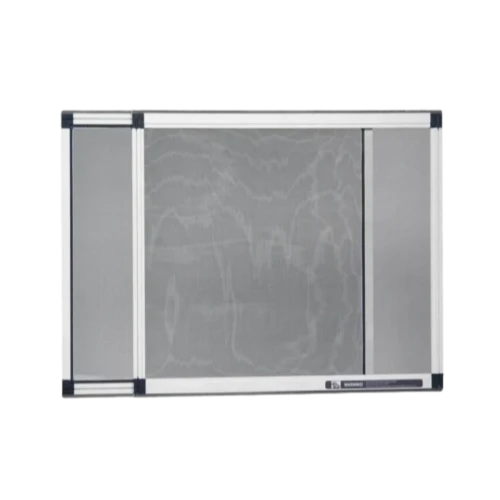
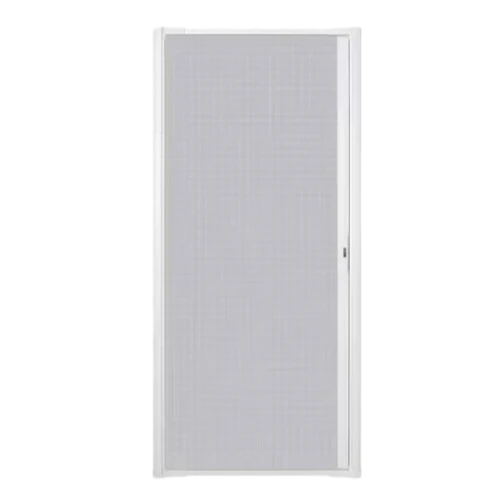
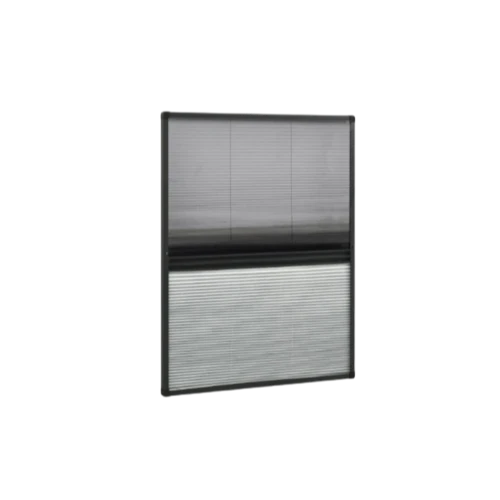
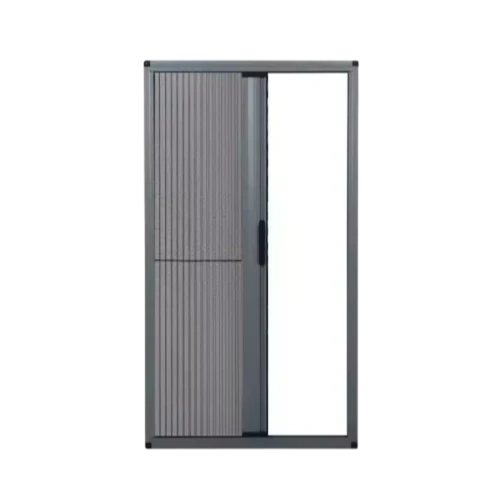
Even in urban environments, window and door mosquito screens serve as effective types of mosquito net tailored to areas where housing infrastructure is more permanent.
Some agricultural communities use nets over crops to reduce pesticide usage, highlighting an interesting crossover nobody often thinks about beyond human health benefits.
Vendor Comparison: Popular Mosquito Net Suppliers
| Supplier | Material | Treatment | Price Range (USD/net) | Notable Clients/Use Cases |
|---|---|---|---|---|
| SafeSleep Ltd. | Polyester | LLIN (Permethrin) | $3.50 - $5.00 | NGOs in Africa, Asia |
| EcoNet Solutions | Nylon | Untreated | $1.75 - $3.00 | Agriculture sector, low-income areas |
| InsectGuard Inc. | Polyethylene | LLIN (Deltamethrin) | $4.00 - $6.25 | Government health programs |
The Advantages of Choosing the Right Mosquito Net
- Health Protection: Blocking mosquito access sharply cuts infection rates.
- Cost Savings: Prevention reduces medical costs and lost productivity.
- Social Impact: Giving communities dignity and security, especially vulnerable groups.
- Sustainability: Modern, treated nets last longer, reducing waste and resource need.
Many health workers I’ve met say that seeing a family sleep peacefully knowing they’re protected is one of the most rewarding parts of their work. There’s a simple emotional trust that these nets inspire.
Future Trends Shaping Mosquito Nets
Innovation hasn’t left mosquito nets behind. Researchers are working on bio-degradable materials that fade after 3-5 years, minimizing environmental impact. New insecticides and nanotechnology coatings promise safer, longer-lasting nets with less chance of resistance.
Additionally, digital tracking of distribution and usage through mobile apps is emerging, improving program accountability and efficiency.
Common Challenges and How They’re Addressed
One ongoing issue is net misuse—sometimes repurposed for fishing or agriculture—lessening community impact. Education and engagement campaigns help here.
Another challenge is maintaining insecticide efficacy under harsh washing and sunlight exposure. New LLIN variants with improved chemical binding to fibers are showing promise.
Lastly, affordability and supply chain disruptions affect availability in crisis zones, but global partnerships and local manufacturing help mitigate shortages.
FAQ: Your Most Common Questions on Types of Mosquito Net
Q1: What’s the difference between treated and untreated mosquito nets?
A1: Treated nets come impregnated with insecticides that repel or kill mosquitoes, offering enhanced protection. Untreated nets rely solely on physical barrier properties. LLINs (Long-Lasting Insecticidal Nets) are preferred in disease-endemic areas.
Q2: How long do mosquito nets typically last?
A2: Untreated nets may last several years if handled gently, but treated nets usually maintain insecticidal effectiveness for about 3–5 years, depending on washing frequency and environmental conditions.
Q3: Can mosquito nets be used outdoors?
A3: Yes, but outdoor use requires nets with UV resistance and durability against wear and tear. Some tent-style nets or portable nets are designed specifically for camping or field use.
Q4: Are mosquito nets suitable for all climates?
A4: Most mosquito nets are designed for warm climates where mosquitoes are prevalent. In cooler climates, nets may be less necessary but can still be used, especially in summer months.
Q5: How can NGOs ensure proper use of distributed mosquito nets?
A5: Training and community education are key. Follow-up visits, demonstrations, and culturally appropriate messaging improve adoption rates and reduce misuse.
Wrapping Up: Why the Right Mosquito Net Matters
Choosing among the types of mosquito net is more than picking a product — it’s about joining a global movement toward health, dignity, and empowerment. As much as those tiny meshes block mosquitoes, they also stand as barriers against disease, economic hardship, and fear.
For more detailed information on types of mosquito net and distribution strategies, visit us at CRScreen.com — your partner in global health solutions.



Latest news
-
Best Guide to Choose a Screen Door for Sliding Door for Your Home
NewsApr.16,2026 -
The Ultimate Guide to Choosing a screen door for a sliding door
NewsApr.09,2026 -
Choosing the Perfect Patio Sliding Screen Door for Your Home
NewsApr.07,2026 -
Choosing the Best Patio Screen Door with Frame for Your Home and Lifestyle
NewsApr.04,2026 -
Comprehensive Guide to Net Sliding Door Price Factors and Options
NewsMar.31,2026 -
Enhance Your Outdoor Space with a Durable Net Sliding Door for Balcony
NewsMar.28,2026 -
Discover the Benefits of Net Door Sliding Systems for Modern Homes
NewsMar.26,2026