

Dec . 10, 2025 01:10 Back to list
Durable Pleated Screen Door Solutions | Industrial & Residential Use
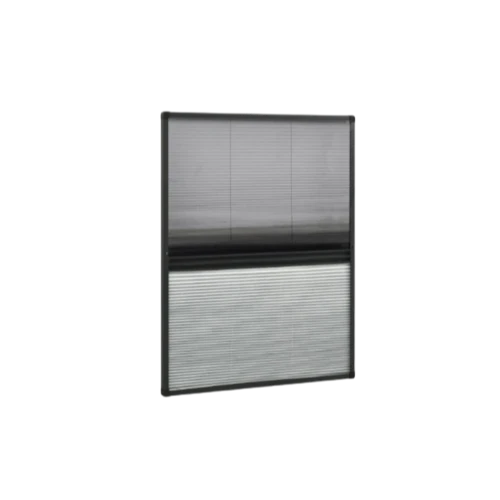
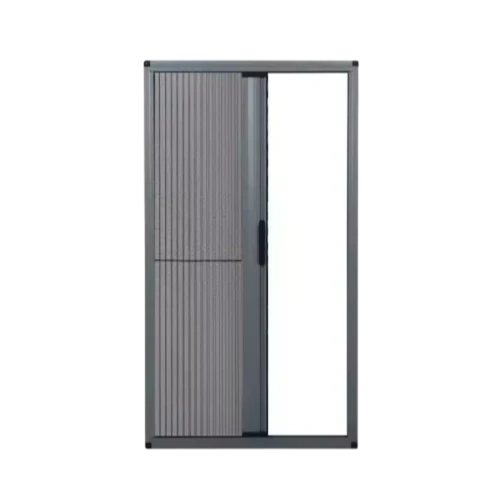
Pleated Screen Door: Durable, Practical, and a Little Underrated
Having spent years working around industrial equipment — and yes, I mean everything from factory floors to warehouse docks — I’ve noticed that the simplest things often get overlooked. Take the pleated screen door for example. It’s a straightforward product, but there’s a surprising amount of thought and engineering baked into it.
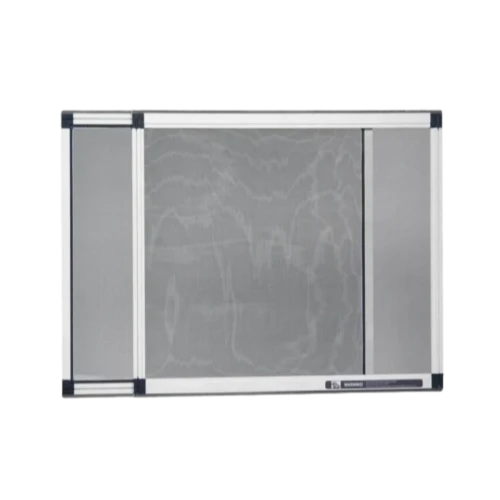
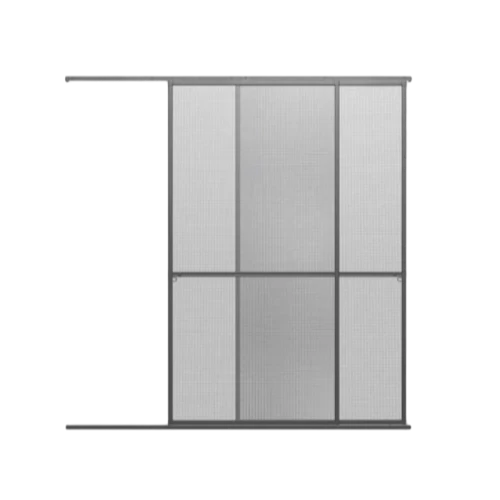
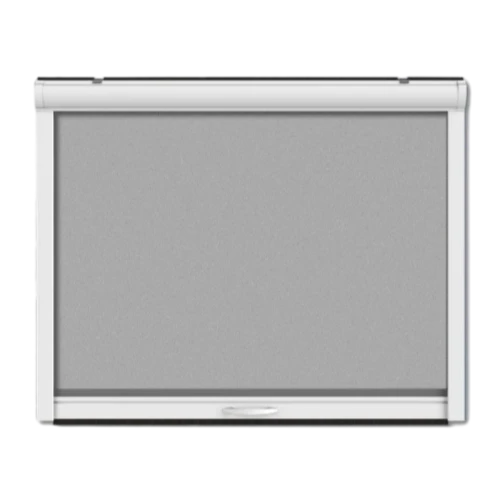
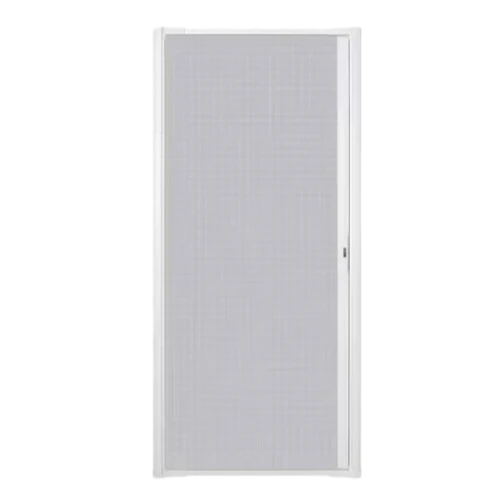
When you first hear “pleated screen door,” you might think it’s just a fancy, foldable mosquito screen. But in real terms, this product is a subtle blend of practicality and design innovation. It’s a slim, space-saving alternative to traditional screen doors, and in certain environments — especially those industrial settings where dust, debris, and airflow management matter — it’s frankly indispensable.
Over time, I’ve seen these doors made from various materials. The most common is a durable polyester mesh backed by a stiff pleated structure that lets the door fold compactly rather than swing open. What folks tend to underestimate is the tension system that keeps the pleats firm, combined with corrosion-resistant side tracks. These components need to withstand not just wear and tear but sometimes harsh weather and heavy foot traffic.
Here’s a little table I put together that breaks down typical specs for a quality pleated screen door you might find in industrial or residential applications:
| Feature | Specification |
|---|---|
| Screen Material | Polyester mesh, UV treated |
| Frame & Tracks | Aluminum, powder-coated |
| Door Width Range | 24" to 48" |
| Height Range | 72" to 96" |
| Color Options | White, Bronze, Black |
| Warranty | 3-5 Years |
Oddly enough, the real charm of pleated screen doors lies in their versatility. You know, whether it’s a home patio or a commercial loading bay, it feels like these screens just fit right in without making a fuss. Custom sizing is pretty standard nowadays, so they’re no longer just a “one size fits all” deal.
In my time consulting with vendors, I noticed customers often care most about durability vs. cost. To help clarify, I whipped up a simple comparison of three reputable manufacturers in this space, focusing on materials, track system quality, and price point:
| Vendor | Material Quality | Track System | Price |
|---|---|---|---|
| C.R. Screen | High grade PET mesh, UV resistant | Heavy-duty aluminum with powder coat | $$$ (Mid-Range) |
| Vendor B | Standard fiberglass mesh | Lightweight aluminum | $ (Budget) |
| Vendor C | Premium metal mesh (industrial-grade) | Reinforced stainless steel tracks | $$$$ (High-end) |
I recall one project where a food processing facility switched their entire fleet of swinging screen doors to pleated versions. The switch wasn’t just about airflow; it helped reduce contamination risks because the pleated doors seal more effectively and retract out of the way when needed. The operators there said it made their daily routines smoother — and frankly, it’s a nice reminder that sometimes the small choices on a factory line can have meaningful impact.
Now, if you’re wondering about maintenance, the pleated screen door generally just needs occasional dusting or washing off, and the tracks cleared of grit. Because the frames are often powder-coated aluminum, they resist rust nicely. Still, I’d recommend a periodic check to ensure the pleating tension holds firm — it’s something I've seen degrade over many years but usually takes a good five to seven before becoming an issue.
To sum it up, pleated screen doors are quietly clever products that combine material science, practical design, and a dose of engineering know-how. They’re not necessarily flashy, but they sure do their job with minimal fuss. It feels like these screens strike a great balance between durability, style, and function — which in industrial contexts, is no small feat.
If you’re curious to learn more or explore product options, check out C.R. Screen’s pleated screen door lineup. In my view, they offer a solid choice for both industrial and residential uses.
Sometimes, the smallest details in everyday equipment lead to the biggest improvements — that’s something this little pleated door reminded me.
References:
1. Industry materials specs, C.R. Screen product sheets (2023)
2. Field observations, industrial site visits (2018–2023)
3. Customer feedback from food processing plants and warehouse managers

Latest news
-
Best Guide to Choose a Screen Door for Sliding Door for Your Home
NewsApr.16,2026 -
The Ultimate Guide to Choosing a screen door for a sliding door
NewsApr.09,2026 -
Choosing the Perfect Patio Sliding Screen Door for Your Home
NewsApr.07,2026 -
Choosing the Best Patio Screen Door with Frame for Your Home and Lifestyle
NewsApr.04,2026 -
Comprehensive Guide to Net Sliding Door Price Factors and Options
NewsMar.31,2026 -
Enhance Your Outdoor Space with a Durable Net Sliding Door for Balcony
NewsMar.28,2026 -
Discover the Benefits of Net Door Sliding Systems for Modern Homes
NewsMar.26,2026