
Sep . 13, 2025 10:40 Back to list
Durable Sliding Screen Doors | Keep Insects Out, Let Air In
Understanding Advanced sliding screen door Solutions for B2B Applications
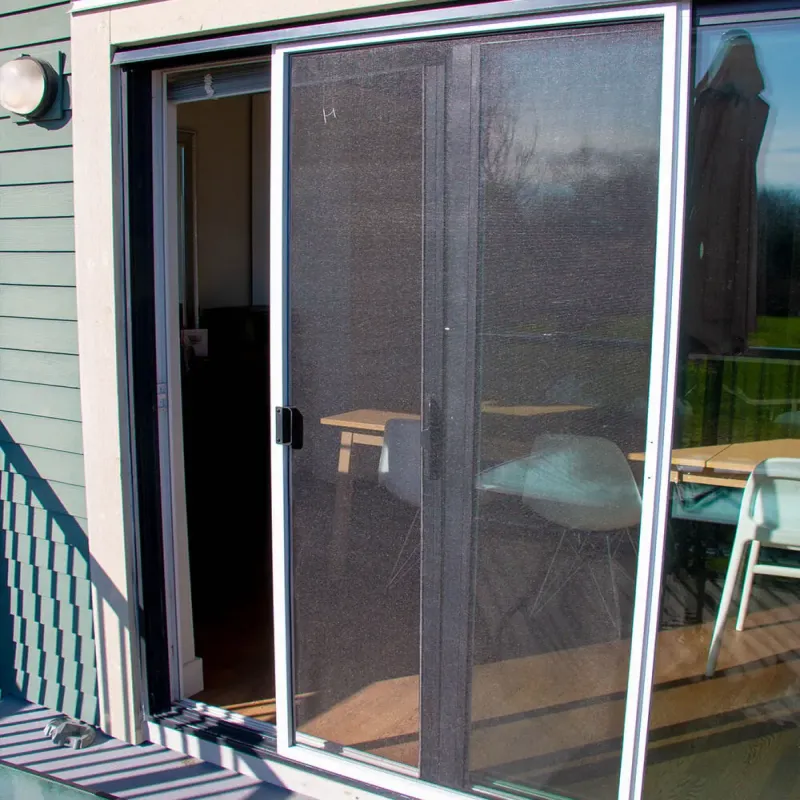
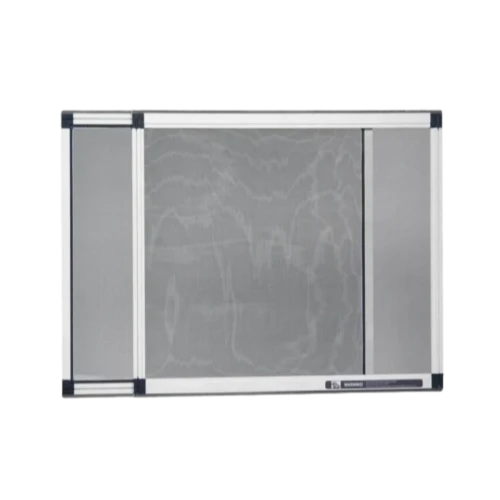
In modern architectural and industrial design, the integration of functional and aesthetic solutions is paramount. The sliding screen door stands as a critical component, offering enhanced ventilation, pest control, and unobstructed views without compromising security or durability. This comprehensive guide delves into the technical intricacies, industry trends, and strategic advantages of specifying high-performance sliding screen door systems for diverse B2B applications. From advanced material science to meticulous manufacturing processes, understanding these elements is essential for decision-makers seeking optimal long-term value and operational efficiency.
The demand for robust and aesthetically pleasing sliding screen door systems has surged across various sectors, driven by evolving building codes, increasing energy efficiency mandates, and a heightened focus on indoor air quality. Whether for commercial buildings, hospitality venues, healthcare facilities, or residential complexes, a well-engineered fly net for sliding door is an investment in comfort, safety, and operational longevity.
Industry Trends and Market Dynamics
The market for sliding screen door solutions is characterized by continuous innovation, primarily focusing on materials, automation, and smart integration. Key trends include:
- Smart Home Integration: Increasing demand for motorized and app-controlled sliding screen doors that integrate with building management systems (BMS) for automated ventilation and security.
- Enhanced Durability and Materials: A shift towards more durable, corrosion-resistant materials such as marine-grade aluminum alloys, stainless steel mesh, and advanced polymer coatings to withstand harsh environmental conditions.
- Energy Efficiency Focus: Designs that contribute to building insulation and reduce reliance on HVAC systems by maximizing natural ventilation while minimizing solar heat gain.
- Aesthetic Customization: Greater emphasis on slim-line profiles, hidden hardware, and a wider range of finishes to blend seamlessly with contemporary architectural designs.
- Sustainable Manufacturing: Growing adoption of eco-friendly materials and manufacturing processes, reducing the environmental footprint of production.
Technical Specifications and Material Science
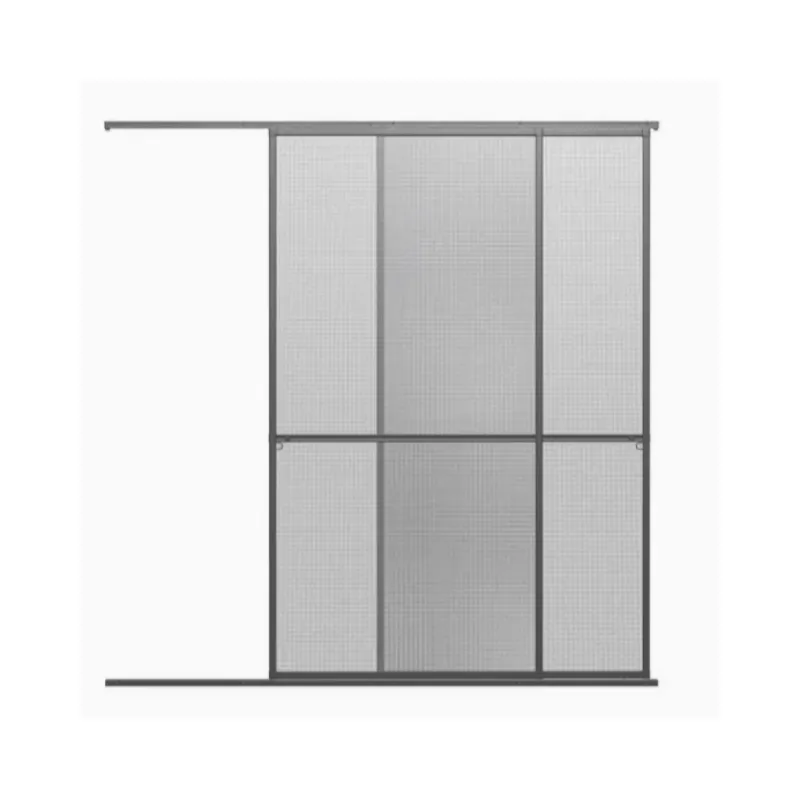
The performance of a sliding screen door is directly correlated with its technical specifications and the quality of its constituent materials. Key components include the frame, mesh, rollers, and locking mechanisms.
- Frame Materials: Typically extruded aluminum alloys (e.g., 6063-T5 or 6005-T5) known for their strength-to-weight ratio, corrosion resistance, and workability. Finishes include anodization, powder coating (e.g., AAMA 2604/2605 compliant), or Kynar 500® (PVDF) for superior weatherability.
- Mesh Materials:
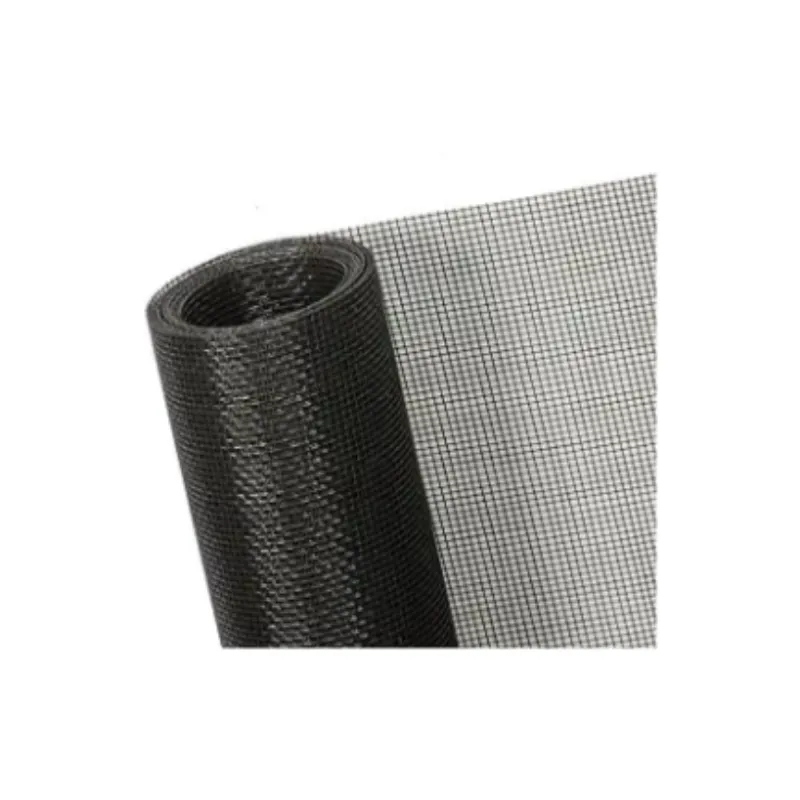
- Fiberglass Mesh: PVC-coated fiberglass, standard for residential and light commercial use, offering good visibility and tear resistance.
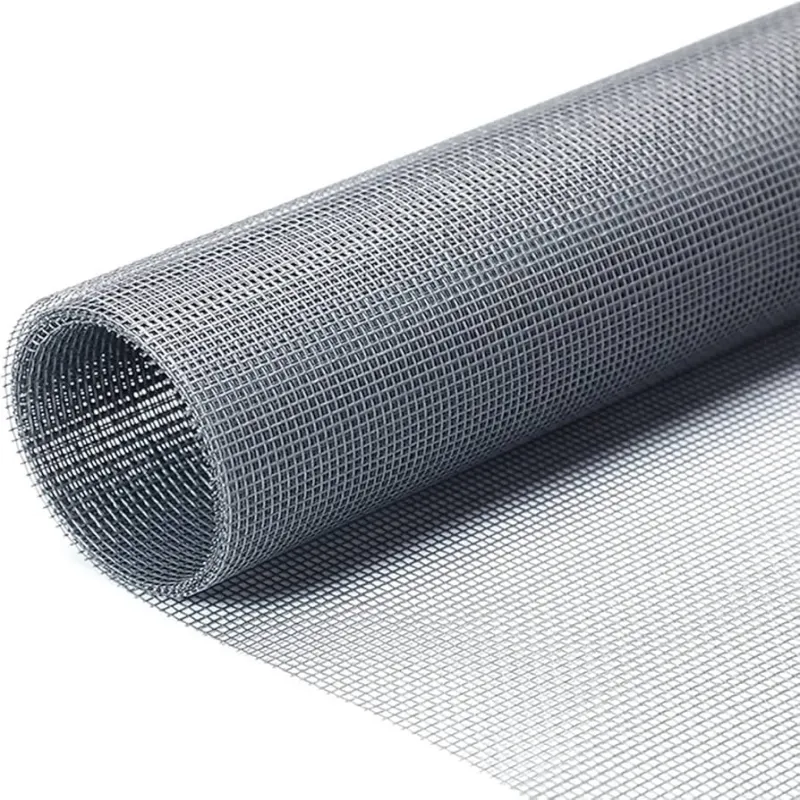
- Aluminum Mesh: Heavier duty, more durable, and resistant to pet damage. Often used in high-traffic commercial settings.
- Stainless Steel Mesh (e.g., 304 or 316L grade): Provides maximum security, extreme corrosion resistance (especially 316L for coastal or industrial environments), and exceptional durability. Ideal for high-security or harsh conditions.
- Pet Screen: Heavier gauge vinyl-coated polyester, designed to resist punctures and tears from pets.
- Roller Systems: High-performance rollers with sealed ball bearings (stainless steel or nylon) ensure smooth, quiet operation and longevity. Adjustable rollers allow for precise alignment.
- Hardware: Heavy-duty latches, handles, and locking mechanisms (e.g., mortise locks) constructed from stainless steel or zinc alloys for security and durability.
Typical Product Specifications Table: Sliding Screen Door
| Parameter | Specification | Standard/Certification |
|---|---|---|
| Frame Material | Extruded Aluminum Alloy (6063-T5) | ASTM B221 |
| Frame Finish Options | Powder Coat (AAMA 2604/2605), Anodized, Kynar 500® | AAMA 2604, AAMA 2605 |
| Mesh Material Options | Fiberglass (18x16), Aluminum (18x14), Stainless Steel (304/316L, 16x16) | ASTM D3656 (Fiberglass), ASTM E2016 (Metal Mesh) |
| Roller System | Dual Tandem Adjustable, Stainless Steel Ball Bearings, Nylon Wheels | ANSI/BHMA A156.14 |
| Locking Mechanism | Mortise Lock with Keyed Exterior & Thumbturn Interior | UL/cUL Listed (Security) |
| Operating Temperature | -40°C to +80°C (-40°F to +176°F) | Internal Testing |
| Wind Load Resistance | Up to 140 MPH (225 km/h) with appropriate reinforcement | ASTM E330 |
| Estimated Service Life | 15-25 Years, depending on material and maintenance | Manufacturer's Data |
The Manufacturing Process of a High-Performance Sliding Screen Door
The production of a durable and reliable sliding fly door involves a series of precision-engineered steps, adhering to stringent quality control standards to ensure product integrity and longevity.
Step 1: Material Sourcing & Inspection
High-grade aluminum billets (e.g., 6063 alloy) and raw mesh materials (fiberglass yarn, aluminum wire, stainless steel wire) are sourced from certified suppliers. Rigorous incoming material inspection ensures compliance with ASTM and ISO standards for chemical composition and mechanical properties.
Step 2: Frame Extrusion & CNC Machining
Aluminum billets are hot-extruded into precise profiles, forming the structural components of the frame. Advanced CNC machining then cuts, drills, and routs the profiles to exact dimensions, ensuring tight tolerances for assembly and optimal fit.
Step 3: Mesh Weaving & Cutting
Mesh materials are woven on high-speed looms to achieve specific thread counts (e.g., 18x16, 16x16) and consistent aperture sizes. The woven mesh is then precision-cut to fit the door frame dimensions, often with heat-sealing edges to prevent fraying.
Step 4: Surface Finishing (Anodizing/Powder Coating)
Frame profiles undergo a multi-stage cleaning and pre-treatment process before anodizing for enhanced corrosion resistance and hardness, or electrostatic powder coating for aesthetic appeal and additional weather protection. Curing at controlled temperatures ensures a durable finish.
Step 5: Assembly & Hardware Integration
Skilled technicians assemble the frame components, install the tensioned mesh using spline technology, and integrate the roller mechanisms, handles, and locking hardware. This stage is critical for ensuring smooth operation and secure fastening.
Step 6: Quality Control & Testing
Each finished sliding screen door undergoes comprehensive quality control, including dimensional verification, operational testing (smoothness of glide, lock functionality), mesh integrity checks, and finish adhesion tests. Products are tested against ISO 9001 and ANSI/SMA standards.
Application Scenarios and Industry Benefits
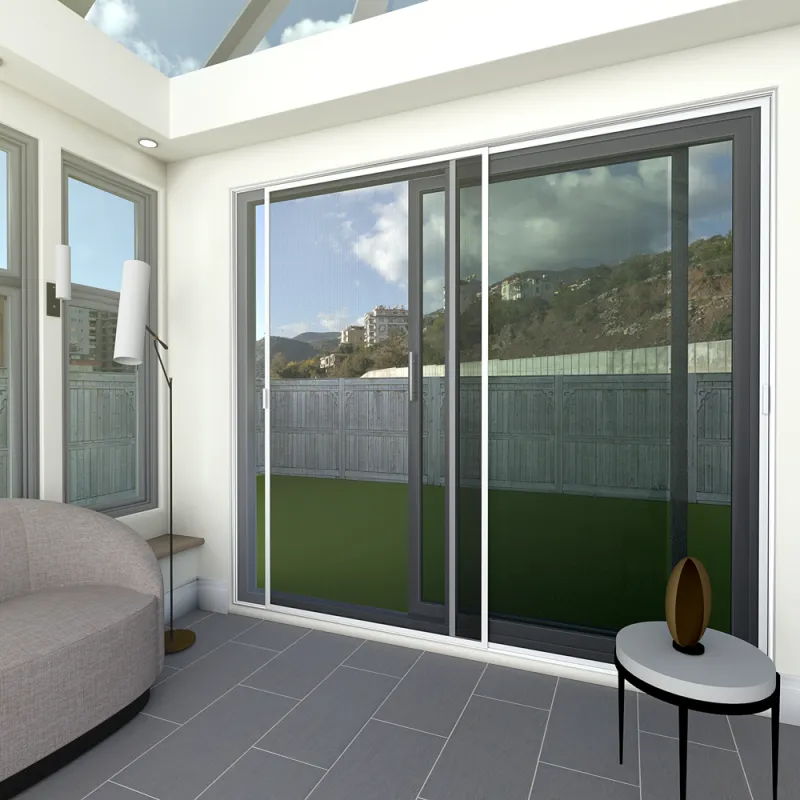
High-quality sliding screen door systems are indispensable across a wide array of target industries, delivering distinct advantages:
- Hospitality (Hotels, Resorts, Restaurants): Enhances guest comfort by allowing natural ventilation while keeping insects out. Durable finishes resist wear from high traffic. Contributes to energy savings by reducing air conditioning load.
- Residential & Multi-Family Housing: Provides tenants with improved air quality and direct access to outdoor spaces without pest intrusion. Increases property value and resident satisfaction.
- Healthcare Facilities: Critical for areas requiring controlled environments, offering ventilation in non-sterile zones without compromising hygiene or allowing pests. Stainless steel mesh options provide superior resistance to cleaning agents.
- Commercial & Office Buildings: Facilitates natural cooling and fresh air circulation in common areas, reducing operational costs.
- Educational Institutions: Allows for safe ventilation in classrooms and common areas, supporting a healthy learning environment.
- Coastal & Marine Environments: Specifically engineered solutions with 316L stainless steel mesh and Kynar 500® finishes offer unparalleled corrosion resistance against salt spray and humid air.
Technical Advantages and Performance Metrics
The selection of an advanced sliding screen door offers a multitude of technical advantages that translate into significant operational benefits:
- Superior Airflow & Ventilation: Optimized mesh densities and frame designs maximize natural air circulation, reducing reliance on mechanical ventilation and improving indoor air quality.
- Robust Pest Exclusion: Precision-woven mesh (e.g., 18x16 or finer) effectively blocks even the smallest insects, acting as a reliable fly net for sliding door.
- Enhanced Durability & Longevity: High-grade aluminum frames and stainless steel components resist warping, denting, and corrosion, ensuring extended service life and reduced maintenance.
- Energy Cost Reduction: By enabling natural cooling, these doors can significantly lower electricity consumption associated with air conditioning, particularly in temperate climates.
- Increased Security: Options for heavy-duty frames, robust locking mechanisms, and security mesh (e.g., stainless steel) provide an additional layer of protection against unauthorized entry.
- UV Protection: Certain mesh types can block a percentage of harmful UV rays, protecting interior furnishings and occupants.
- Low Maintenance: High-quality materials and finishes require minimal cleaning and upkeep, reducing ongoing operational costs.
Vendor Comparison and Selection Criteria
Choosing the right supplier for a sliding screen door is crucial for project success. A thorough vendor comparison should consider more than just price.
Sliding Screen Door Vendor Comparison
| Feature/Vendor | Vendor A (Premium) | Vendor B (Mid-Tier) | Vendor C (Economy) |
|---|---|---|---|
| Frame Material Standard | 6063-T5 Aluminum, AAMA 2605 Powder Coat | 6063-T5 Aluminum, AAMA 2604 Powder Coat | Recycled Aluminum, Standard Paint |
| Mesh Options | SS 316L, Aluminum, Pet Screen, Fiberglass | Aluminum, Fiberglass, Pet Screen | Fiberglass (standard) |
| Roller System | Stainless Steel Sealed Bearings | Nylon Wheels, Ball Bearings | Plastic Wheels, Bushings |
| Customization & Engineering Support | Full bespoke, CAD, onsite consultation | Modular, limited design changes | Standard sizes only |
| Certifications | ISO 9001, AAMA, ASTM, BHMA | ISO 9001, AAMA | Basic CE |
| Warranty (Frame/Mesh/Hardware) | 10/5/3 Years | 5/2/1 Years | 1 Year (Limited) |
| Lead Time (Standard Orders) | 4-6 Weeks | 6-8 Weeks | 2-4 Weeks |
Customized Solutions for Unique Requirements
Recognizing that every B2B project presents unique challenges, manufacturers specializing in sliding screen door systems often provide extensive customization options. This ensures seamless integration with existing architecture and specific operational needs.
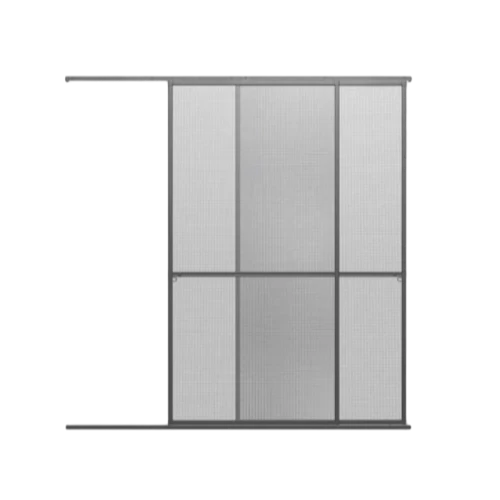
- Size and Configuration: Tailored dimensions for oversized openings, multi-panel configurations (e.g., bi-parting, telescoping), and integration with existing door frames.
- Specialized Mesh: Options include fine-weave no-see-um mesh for extreme insect protection, solar screen mesh for UV and heat blocking, or heavy-duty security mesh for enhanced intrusion resistance.
- Finish Matching: Custom powder coating colors (RAL codes), anodized finishes, or wood-grain effects to match building aesthetics.
- Hardware & Automation: Integration of specialized handles, accessibility hardware (ADA-compliant), automatic closing mechanisms, and smart home automation systems for motorized operation.
- Security Enhancements: Reinforced frames, multi-point locking systems, and impact-resistant mesh for high-security applications.
Application Case Studies (Simulated)
Case Study 1: Luxury Coastal Resort - Enhanced Guest Experience and Durability
A premier coastal resort in a high-humidity, high-salt environment required robust sliding screen door solutions for its ocean-front suites. The challenge was to provide seamless indoor-outdoor living while protecting against aggressive corrosion and persistent insect activity, typical of such locales.
Solution: Custom-fabricated sliding fly door systems were installed, featuring marine-grade 6063-T5 aluminum frames with Kynar 500® (PVDF) coating for maximum UV and salt-spray resistance. 316L stainless steel mesh was chosen for its superior corrosion resistance and fine weave to block "no-see-um" insects. Heavy-duty stainless steel roller assemblies ensured smooth operation despite constant exposure to the elements.
Outcome: The resort experienced a significant reduction in maintenance costs associated with screen door replacement and repair. Guest satisfaction scores related to room comfort and pest-free environments improved by 18%. The doors maintained their aesthetic appeal and operational integrity years after installation, validating the investment in premium materials.
Case Study 2: Urban Multi-Family Residential Complex - Energy Efficiency and Modern Aesthetics
A newly constructed high-rise apartment complex in a bustling city aimed to achieve LEED certification by integrating energy-efficient and sustainable building components. They needed sliding screen door units for over 300 balcony openings that offered excellent ventilation and contemporary design.
Solution: Slim-profile aluminum frames with AAMA 2604 powder coating were selected to complement the building's minimalist aesthetic. Fiberglass mesh with a slight solar tint was used to reduce glare and contribute to passive cooling. The doors featured soft-close mechanisms and integrated finger-pull handles for ease of use and a sleek look.
Outcome: The project successfully met its LEED objectives, with residents reporting noticeable improvements in air quality and reduced reliance on air conditioning during milder seasons. The durable construction and subtle design contributed positively to the complex's marketability and tenant retention.
Frequently Asked Questions (FAQ)
Q: What is the typical lead time for custom sliding screen door orders?
A: For standard configurations, lead times typically range from 4-6 weeks from order confirmation. Highly customized or large-volume projects may require 8-12 weeks. We recommend consulting with our sales team for precise timelines based on your project's specific requirements.
Q: What warranty is provided for your sliding screen door products?
A: Our premium sliding screen door frames carry a 10-year limited warranty against manufacturing defects and corrosion on specified finishes. Mesh materials typically have a 5-year warranty, and hardware components are covered for 3 years. Specific warranty details are provided with each quotation.
Q: Can your sliding screen door systems be integrated into existing building structures?
A: Yes, our engineering team specializes in assessing existing openings and designing custom solutions for seamless integration. We offer a range of mounting options and can provide detailed technical drawings and installation support.
Q: How do you ensure the durability of components in harsh environments like coastal areas?
A: For challenging environments, we specify advanced materials such as marine-grade aluminum alloys (e.g., 6063-T5 with enhanced pre-treatment), Kynar 500® (PVDF) finishes, and 316L stainless steel mesh and hardware. These materials are rigorously tested for salt spray resistance (ASTM B117) and UV degradation to ensure maximum longevity.
Lead Time, Fulfillment, and Customer Support
At CR Screen, we understand the critical nature of project timelines and reliable support. Our streamlined processes ensure efficient order fulfillment and dedicated assistance throughout your project lifecycle.
- Lead Time: Standard orders typically process and ship within 4-6 weeks, with expedited options available for urgent requirements. Custom projects are quoted with specific timelines based on complexity.
- Fulfillment: Our logistics team manages efficient packaging and global shipping, collaborating with trusted carriers to ensure timely and secure delivery to your site. Detailed tracking and freight documentation are provided.
- After-Sales Support: We offer comprehensive post-installation support, including technical assistance, maintenance guidelines, and spare parts availability. Our dedicated B2B support team is accessible via phone, email, and a client portal to address any inquiries promptly.
- Warranty Commitment: Our robust warranty programs demonstrate our confidence in the quality and durability of our sliding screen door products, providing peace of mind for your long-term investment.
Authoritative References
- ASTM International. (n.d.). ASTM Standards for Building Materials. Retrieved from astm.org
- Architectural Aluminum Manufacturers Association (AAMA). (n.d.). AAMA Publications and Standards. Retrieved from aamanet.org
- International Organization for Standardization (ISO). (n.d.). ISO 9001: Quality Management Systems. Retrieved from iso.org
- Screens Manufacturers Association (SMA). (n.d.). SMA Standards and Best Practices. Retrieved from screensma.com
- The Aluminum Association. (n.d.). Aluminum Standards and Data. Retrieved from aluminum.org
Latest news
-
Best Guide to Choose a Screen Door for Sliding Door for Your Home
NewsApr.16,2026 -
The Ultimate Guide to Choosing a screen door for a sliding door
NewsApr.09,2026 -
Choosing the Perfect Patio Sliding Screen Door for Your Home
NewsApr.07,2026 -
Choosing the Best Patio Screen Door with Frame for Your Home and Lifestyle
NewsApr.04,2026 -
Comprehensive Guide to Net Sliding Door Price Factors and Options
NewsMar.31,2026 -
Enhance Your Outdoor Space with a Durable Net Sliding Door for Balcony
NewsMar.28,2026 -
Discover the Benefits of Net Door Sliding Systems for Modern Homes
NewsMar.26,2026