

Nov . 29, 2025 07:00 Back to list
Essential Guide to Mosquito Net for Single Bed – Protection and Comfort Worldwide
Why Mosquito Nets for Single Beds Matter More Than You Think
When you hear mosquito net for single bed, you might picture a simple, thin mesh draped over a humble bed, maybe from childhood memories under tropical skies. But the significance of these nets goes far beyond nostalgic imagery. Globally, mosquito nets are frontline warriors in the fight against vector-borne diseases, providing a basic yet vital shield to millions. According to the World Health Organization, nearly half the world's population is at risk of malaria, a disease primarily spread by mosquitoes. Simple solutions like mosquito nets for single beds have, in many cases, drastically reduced transmission rates. Understanding their design, use, and evolving role helps industries and humanitarian groups make smarter choices — and ultimately saves lives.
Mini takeaway: Mosquito nets for single beds are more than just bedroom accessories; they’re a critical public health tool worldwide.
The Global Context: Mosquito Nets Tackling a Worldwide Challenge
Over 3.2 billion people live in areas at risk of malaria according to the WHO. The United Nations estimates that mosquito-borne diseases cause over 700,000 deaths annually, mostly in children under five. This staggering burden primarily affects tropical and subtropical regions where single-person sleeping arrangements are common in densely populated households or emergency shelters.
Oddly enough, these tiny nets have helped cut malaria cases by 40% globally over the last two decades, proving the impact of a simple fabric barrier.
But there’s more to the story than just health. These nets play a role in improving sleep quality, reducing insect nuisance, and supporting dignity in vulnerable populations.
Mini takeaway: Mosquito nets for single beds represent an affordable, proven, and large-scale intervention against diseases, especially in low-resource settings.
What Exactly Is a Mosquito Net for Single Bed?
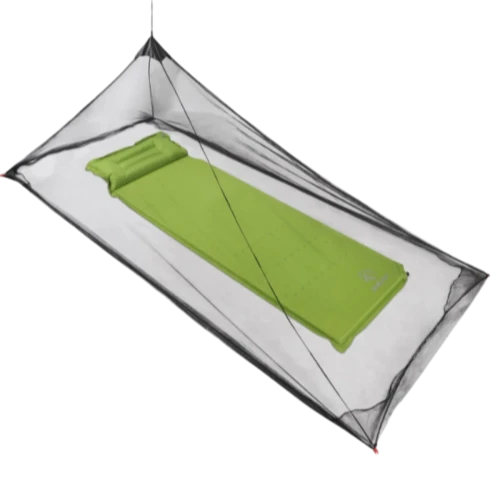
In its essence, a mosquito net for single bed is a fine, usually polyester or polyethylene mesh fabric designed to fit over a single mattress and prevent mosquito bites during sleep. These nets often come with frames, hooks, or pop-ups for easy installation. Though they might seem trivial, they form a crucial component of industry-standard personal protective equipment in malaria-endemic zones and disaster relief shelters.
In humanitarian efforts, these nets serve as both medical devices and comfort enhancers — a blend of utility and humanity in one.
Core Features To Consider in Mosquito Nets for Single Beds
1. Durability
Durability is king. Most nets face rough handling, frequent washing, and environmental exposure. A strong but lightweight material ensures they last multiple seasons without tearing or losing protective function. Many nets are treated with insecticides for added protection, which makes longevity even more critical since chemical efficacy fades.
2. Effective Mesh Size
The mesh has to be small enough to block different mosquito species, normally between 156 to 625 holes per square inch. Too large and you risk bites; too small and ventilation suffers. It’s a delicate balance to ensure comfort and safety.
3. Ease of Installation
For practical use, especially in emergencies or periodic migrations, easy setup is non-negotiable. Some designs offer pop-up options, others need hooks or frames. The ideal net fits a standard single bed dimension without fuss.
4. Cost Efficiency
Cost remains pivotal. Bulk procurement for NGOs or health ministries demands affordable pricing without sacrificing quality. Balancing insecticide treatment costs and materials is complex but necessary to ensure broad distribution.
5. Scalability & Availability
Manufacturers and suppliers often focus on scalable production to meet fluctuating demands, especially during outbreak seasons or crises. Rapid delivery can be life-saving.
Mini takeaway: Whether for a humble bedroom or a refugee camp, looking under the hood of mosquito nets reveals a finely tuned engineering and logistical challenge.
Where and How Are Mosquito Nets for Single Beds Used Globally?
These nets find themselves everywhere—quite literally:
- In malaria-endemic regions: Sub-Saharan Africa, parts of India and Southeast Asia deploy billions annually.
- Post-disaster relief: In flood or cyclone zones (think Bangladesh, Philippines), aid packages commonly include these nets alongside food and shelter materials.
- Remote industrial zones: Mining camps or agricultural outposts prone to insect infestations use durable nets to protect workers.
- Travel and tourism: Backpackers heading into mosquito-heavy zones rely on portable versions for sleeping comfort and safety.
For example, in Tanzania’s rural districts, UNICEF-supported distributions have doubled net usage rates over five years, dramatically reducing local malaria cases.
Mini takeaway: Mosquito nets for single beds are literally everywhere you’d want them — and often in places you might not expect.
Advantages and Value Beyond Protection
Cost Savings and Sustainability: A well-built net can last 3–5 years, reducing the need for expensive medical treatments. Some are re-usable, while others are biodegradable, lessening environmental impact.
Social Impact: For many children and adults, a mosquito net represents a sense of security — one that fosters better sleep, better health, and by extension, better life opportunities.
Emotional Assurance: You can’t underestimate the peace of mind that comes when you know the little buzzing menace is safely kept out.
A Brief Product Specification Table
| Feature | Specification | Benefit |
|---|---|---|
| Material | Polyester / Polyethylene | Lightweight, durable, insecticide compatible |
| Mesh Size | 156–625 holes/in² | Blocks mosquitoes while allowing airflow |
| Dimensions | 210 x 100 x 150 cm (standard single bed) | Fits most single beds perfectly |
| Insecticide Treatment | Permethrin or similar | Enhanced protection against mosquitoes |
| Installation | Pop-up, hooks, or frame option | Quick, tool-free setup |
Comparing Leading Mosquito Net Vendors
| Vendor | Price Range (USD) | Insecticide Treatment | Lead Time | Bulk Order Discount |
|---|---|---|---|---|
| SafeSleep Corp. | $7 - $10 | Yes (Permethrin) | 2-3 weeks | 15% off orders > 1,000 pcs |
| EcoNets Ltd. | $9 - $12 | Yes (Long-lasting) | 3-4 weeks | 10% off orders > 500 pcs |
| Global Shield Nets | $5 - $8 | Optional | 1-2 weeks | 20% off orders > 2,000 pcs |
What Does the Future Hold for Mosquito Nets on Single Beds?
The future is a bit exciting here. Materials science is pushing toward biodegradable nets that break down safely rather than add microplastic burdens. There's growing interest in integrating smart textiles that can alert users if insecticide efficacy wanes.
Meanwhile, some innovators are exploring solar-powered mosquito repellent systems that combine physical nets with gentle electronic deterrents — a hybrid approach that could redefine “netting.”
Policy-wise, the United Nations' Sustainable Development Goals directly encourage broad protection against communicable diseases, with improved mosquito nets as core items.
Unfortunately, challenges like counterfeit nets and logistical bottlenecks mean that even the best tech must be paired with savvy distribution strategies.
Overcoming Common Challenges with Mosquito Nets
Typical issues include nets tearing, insecticide losing potency, and users removing them out of discomfort or ignorance. Addressing these requires a multi-pronged approach — educating users, improving material resilience, and ensuring supply consistency.
NGOs often couple net distribution with community awareness programs, which many engineers and field workers say makes all the difference.
Innovative packaging, clear instructions, and culturally sensitive designs are key. In some places, color and pattern even matter for user adoption!
FAQ: Quick Answers About Mosquito Nets for Single Beds
- Q: How long does an insecticide-treated mosquito net for a single bed last?
- A: Usually 3-5 years, depending on usage and washing frequency. The insecticide effectiveness reduces after about 20 washes, so re-treatment or replacement might be needed.
- Q: Can I use any mosquito net for my single bed, or do I need a special size?
- A: It’s best to use nets specifically sized for single beds (generally around 210 x 100 x 150 cm) to ensure full coverage; generic nets might leave gaps.
- Q: Are untreated mosquito nets effective?
- A: Untreated nets provide a physical barrier and reduce bites, but insecticide-treated nets offer far superior protection against malaria-carrying mosquitoes.
- Q: How can organizations import mosquito nets for international aid projects?
- A: Coordination with reputable vendors and understanding local import regulations is essential. Many NGOs partner with certified suppliers to streamline procurement and shipping.
Wrapping Up: Why You Should Care About Mosquito Nets for Single Beds
It might seem like a small, mundane product at face value, but a mosquito net for single bed carries profound global health importance. It's a humble yet powerful barrier that protects millions every night, often in the most vulnerable communities. By choosing quality nets, supporting sustainable innovations, and raising awareness, we can help keep families safe — one bed at a time.
Curious to explore the latest mosquito nets for single beds? Visit our site for a curated selection and industry insights: mosquito net for single bed
References


Latest news
-
Best Guide to Choose a Screen Door for Sliding Door for Your Home
NewsApr.16,2026 -
The Ultimate Guide to Choosing a screen door for a sliding door
NewsApr.09,2026 -
Choosing the Perfect Patio Sliding Screen Door for Your Home
NewsApr.07,2026 -
Choosing the Best Patio Screen Door with Frame for Your Home and Lifestyle
NewsApr.04,2026 -
Comprehensive Guide to Net Sliding Door Price Factors and Options
NewsMar.31,2026 -
Enhance Your Outdoor Space with a Durable Net Sliding Door for Balcony
NewsMar.28,2026 -
Discover the Benefits of Net Door Sliding Systems for Modern Homes
NewsMar.26,2026