

Dec . 02, 2025 15:48 Back to list
Large Pop Up Mosquito Tent: Essential Protection Against Mosquito-Borne Diseases
Understanding the Large Pop Up Mosquito Tent: A Vital Global Solution
If you’ve ever been annoyed by mosquitoes while camping or working outdoors, you’ll appreciate what a large pop up mosquito tent offers. But beyond casual use, these tents play a critical role in global health, humanitarian relief, and remote-industrial operations. Why? Because mosquito-borne illnesses like malaria, dengue fever, and Zika virus still threaten millions worldwide. A well-designed tent can provide a safe, mosquito-free environment, helping protect lives and improve working conditions. Understanding the benefits and applications of these tents isn’t just practical—it’s part of a global fight against preventable diseases.
Global Context: Why Large Pop Up Mosquito Tents Matter
According to the World Health Organization, malaria alone caused approximately 619,000 deaths worldwide in 2021, with most victims in sub-Saharan Africa. In many tropical and subtropical regions where shelters are scarce or infrastructure is lacking, protecting people from mosquitoes is a life-or-death matter. That's where the large pop up mosquito tent becomes crucial. These solutions are part of humanitarian and health campaigns, especially in remote or disaster-affected areas, providing quick-deploy shelters that block mosquitoes while allowing ventilation.
Oddly enough, while mosquito nets have been standard for indoor use, the need for portable, spacious alternatives grew with more outdoor-focused operations: think field hospitals, vaccination drives, and even outdoor classrooms. The large pop up mosquito tent bridges that gap neatly.
What Is a Large Pop Up Mosquito Tent?
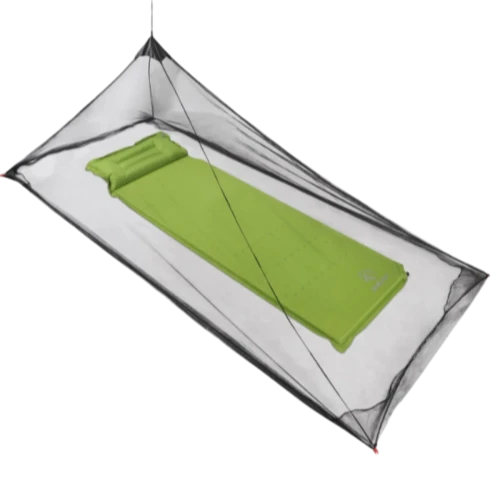
In simple terms, a large pop up mosquito tent is a portable, easy-to-assemble shelter made primarily from fine mesh fabric designed to prevent mosquitoes and other small insects from entering. "Pop up" refers to its design that allows it to unfold or spring into form without complex assembly. Unlike traditional tents, the primary purpose is insect protection while maintaining airflow and visibility.
These tents serve industries and humanitarian needs alike: from outdoor workers in the mining and forestry sectors to NGOs carrying out medical outreach in malaria-endemic zones.
Key Components and Factors of Large Pop Up Mosquito Tents
1. Material Quality and Mesh Density
The fine mesh is the heart of any mosquito tent; it must be dense enough to block mosquitoes (typically 200 holes per square inch or more) while still allowing airflow. Most high-quality tents use polyester or nylon mesh with durable coatings to withstand weather and UV exposure.
2. Frame and Structural Durability
Frames usually consist of flexible fiberglass or lightweight steel rods that enable rapid setup. Durability here is a balancing act—strong enough to resist wind and rough handling, yet light for portability.
3. Size and Scalability
Sizes can vary from small single-person tents to large communal shelters accommodating multiple people or equipment. Scalability matters for diverse uses: a health clinic’s pop up tent differs from an individual’s camping size.
4. Ease of Assembly and Portability
Pop up tents tend to fold flat and can be carried like a bag. Quick deployment is essential especially for humanitarian response teams who often work against the clock.
5. Ventilation and Comfort
Good ventilation reduces heat and condensation inside, encouraging longer usage and better comfort—vital in tropical climates.
Product Specifications of a Typical Large Pop Up Mosquito Tent
| Feature | Specification |
|---|---|
| Dimensions (assembled) | 3m x 3m x 2m (approx.) |
| Mesh Density | 200 holes/in², UV coated polyester |
| Frame Material | Fiberglass rods with steel joints |
| Weight | 5.5 kg (approx.) |
| Setup Time | Under 3 minutes |
| Packed Size | 60 cm diameter |
Mini takeaway: When selecting a large pop up mosquito tent, think mesh effectiveness, durability, size, and ease of transport—because in real-world settings, these factors can mean the difference between restless nights and well-protected sleep.
Global Uses and Real-World Examples of Large Pop Up Mosquito Tents
These tents have become a go-to option in a variety of settings:
- Post-disaster relief: After floods or hurricanes in tropical countries, NGOs use pop up mosquito tents to protect displaced families and medical teams from vector-borne diseases.
- Remote industrial zones: Mining or forestry camps in malaria-prone areas rely on these tents to safeguard workers during rest periods.
- Field research stations: Scientists and conservationists working in jungles use large mosquito tents as mobile base camps.
- Outdoor events and classrooms: In areas with persistent mosquito problems, pop up tents enable safer outdoor gatherings or learning.
For instance, the WHO’s malaria prevention efforts often include distributing mosquito nets, but in mobile vaccination campaigns in Africa, large pop up mosquito tent shelters have been invaluable.
Mini takeaway: Think of large pop up mosquito tents not just as camping gear but as frontline infrastructure for health and safety across multiple high-stakes domains.
Advantages and Long-Term Value
It’s easy to list the benefits: cost-effectiveness, sustainability, comfort, portability. But beyond that, the real value lies in trust and dignity. These tents allow families and responders alike to rest safely without constant fear of disease. They represent innovation in humanitarian aid by combining technology and tradition. Financially, they reduce the need for medicinal interventions and hospital visits, easing health system burdens.
Future Trends and Innovations in Mosquito Tent Design
Innovations keep coming. For example, manufacturers are using insect-repellent fabrics infused with permethrin or natural repellents—avoiding chemical sprays. Solar-powered fans for better airflow inside tents are emerging, improving user comfort. Some models incorporate quick-dry and antimicrobial fabrics, enhancing hygiene in prolonged deployments. Then there’s the environmental angle: sourcing renewable materials and recyclable frames to reduce waste. Digital tracking integrated into tents is even being tried to monitor health workers’ locations or usage patterns in vulnerable zones.
Challenges and Solutions
No solution is perfect. Durability can be challenging, especially in extreme weather or rough terrain. Some tents sacrifice durability for lightness and vice versa. Cost remains a barrier for some NGOs or community programs. But innovative modular designs, partnerships for local manufacturing, and incremental improvements in materials help overcome these obstacles.
Vendor Comparison: Popular Large Pop Up Mosquito Tent Providers
| Vendor | Mesh Density | Setup Time | Weight | Unique Features |
|---|---|---|---|---|
| SafeTent Co. | 220 holes/in² | 2 minutes | 5.2 kg | UV-resistant, insecticide-treated mesh |
| EcoShield Tents | 200 holes/in² | 3 minutes | 5.8 kg | Natural repellent fabric, recyclable frame |
| FieldGuard | 210 holes/in² | Under 3 minutes | 5.5 kg | Solar-powered ventilation option |
FAQ: Frequently Asked Questions about Large Pop Up Mosquito Tents
Q1: How quickly can I set up a large pop up mosquito tent?
A: Most tents are designed for rapid deployment, generally under 5 minutes. Some premium models can be popped open and anchored in as little as 2 minutes. This speed is critical for field work and emergency responses.
Q2: Are large pop up mosquito tents effective against all mosquito species?
A: They protect effectively against mosquitoes small enough to pass through mesh holes. High-density mesh (around 200+ holes per square inch) blocks even smaller species. However, no physical barrier is a 100% guarantee—combining tents with repellents is recommended in high-risk zones.
Q3: Can these tents be used year-round in tropical climates?
A: Yes, their mesh design enhances airflow and reduces heat buildup, which is vital in hot, humid climates. However, heavy rain protection might require an additional waterproof cover since standard mosquito tents prioritize ventilation.
Q4: How portable are large mosquito tents for field workers?
A: They fold compactly, often fitting into a 60 cm diameter bag and weighing around 5–6 kg. This makes them ideal for transport by foot, bike, or vehicle—even in remote areas.
Q5: Are there eco-friendly options available?
A: Yes, some vendors use recycled materials, insecticide-free repellent fabrics, and recyclable frames. These options support sustainability without compromising effectiveness.
Conclusion: The Long-Term Benefits of Large Pop Up Mosquito Tents
In summary, large pop up mosquito tents are simple yet powerful tools in the global effort to reduce mosquito-borne diseases. Their ease of use, combined with protection, portability, and cost efficiency, makes them indispensable for humanitarian organizations, field workers, and even outdoor enthusiasts. Investing in quality mosquito tents means investing in health, comfort, and dignity for millions. If you’re curious to explore top-quality options or need a reliable supplier, visit our website: large pop up mosquito tent.
Reflecting on this, it’s fascinating how a product as unassuming as a mosquito tent contributes quietly yet powerfully to global health—and yet, many might overlook its significance until the buzzing starts.
References:


Latest news
-
Best Guide to Choose a Screen Door for Sliding Door for Your Home
NewsApr.16,2026 -
The Ultimate Guide to Choosing a screen door for a sliding door
NewsApr.09,2026 -
Choosing the Perfect Patio Sliding Screen Door for Your Home
NewsApr.07,2026 -
Choosing the Best Patio Screen Door with Frame for Your Home and Lifestyle
NewsApr.04,2026 -
Comprehensive Guide to Net Sliding Door Price Factors and Options
NewsMar.31,2026 -
Enhance Your Outdoor Space with a Durable Net Sliding Door for Balcony
NewsMar.28,2026 -
Discover the Benefits of Net Door Sliding Systems for Modern Homes
NewsMar.26,2026