

Nov . 14, 2025 08:00 Back to list
Modern Mosquito Nets: Durable Solutions for Industrial and Residential Use
Why Modern Mosquito Nets Are More Than Just Bug Barriers
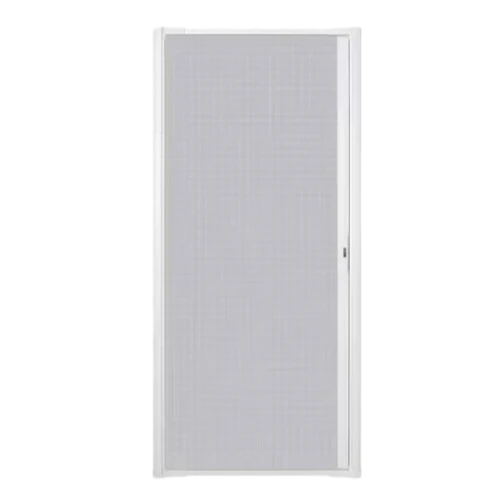
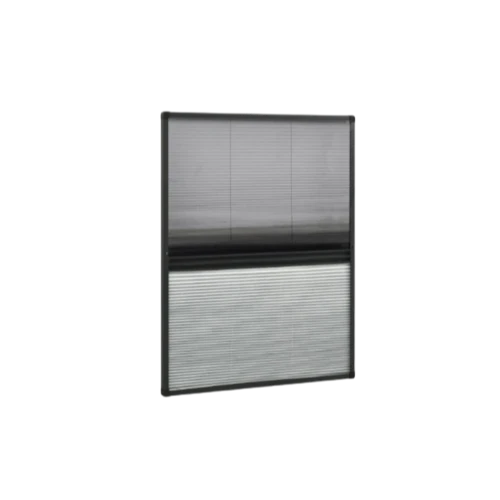
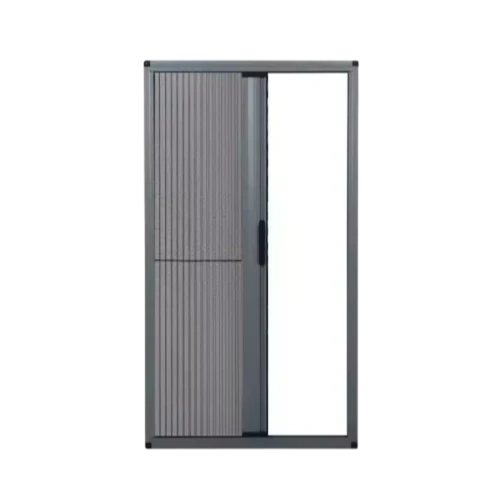
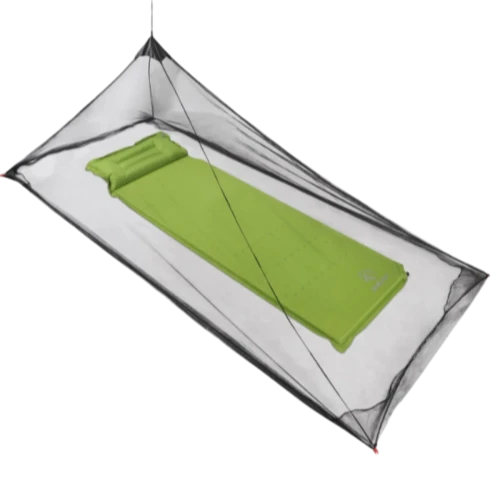
I’ve been around industrial equipment long enough to see how something as simple as a mosquito net evolves. Oddly enough, these aren’t just the flimsy nets you tack on windows during summer. Today’s mosquito nets are a blend of science, design, and utility—crafted for durability in harsh industrial settings and elegance for home use. The moment I first tested a high-tensile fiberglass net, I realized how far we’ve come. It's not just about keeping bugs out; it’s about longevity, unobtrusive design, and environmental resistance. These modern nets perform reliably in areas with heavy winds, dust, and even chemical fumes — a must in many manufacturing facilities or outdoor warehouse settings. I remember a client in the agricultural sector complaining about standard nets failing after a few months. Switching to a reinforced polyethylene mesh turned everything around in terms of performance.Key Features and Specifications of Current Mosquito Nets
This sector’s innovation primarily revolves around material science and frame design; and yeah, some of it’s straightforward but crucial: the mesh size, for instance, must be sufficiently small to block even tiny no-see-ums, yet not so dense it sacrifices airflow.| Specification | Feature Details |
|---|---|
| Mesh Material | Fiberglass, PE (Polyethylene), Stainless Steel |
| Mesh Size | 18x16 to 20x20 (wires per inch) |
| Frame Material | Aluminum, PVC, Stainless Steel |
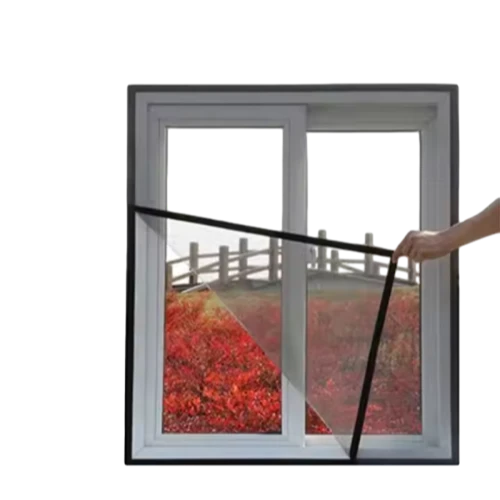
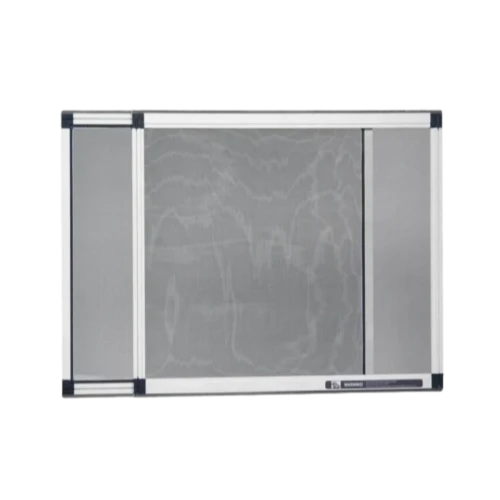
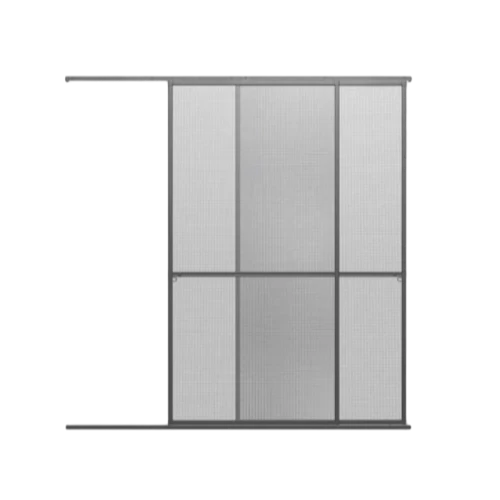
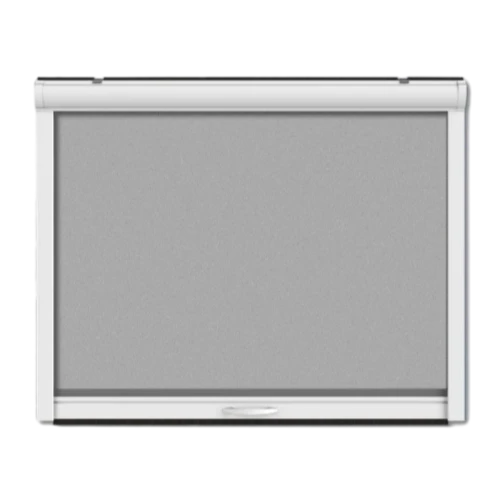
| Installation Types | Fixed, Retractable, Magnetic, Sliding |
| UV and Corrosion Resistance | High durability with specialized coatings |
Comparing Top Vendors: What To Look For When Choosing Modern Mosquito Nets
When I last helped a logistics center retrofit their doors, the vendor selection process was... revealing. Price-wise, many offer similar ranges, but what really matters is after-sales service, warranty, and material sourcing.| Vendor | Material Options | Custom Sizes | Warranty | Price Level |
|---|---|---|---|---|
| CR Screen | Fiberglass, Stainless Steel, PE | Yes | 5 years | Mid to High |
| InsectGuard Pro | Fiberglass only | Limited | 3 years | Low to Mid |
| SafeVent Screens | PE and Aluminum Mesh | Yes | 4 years | Mid |
Final Thoughts on Choosing Your Ideal Mosquito Net
At the end of the day, your choice boils down to usage conditions and patience with upkeep. Investing in a properly engineered mosquito net makes work and life more pleasant—companies notice fewer maintenance calls, and frankly, everyone gets fewer bug bites. When specs sound too close to choose between, check the installation flexibility, warranty, and if the vendor really knows their mesh from their frame. I’ve seen many situations turn around just because the right mesh went in—not fancy, just practical, solid, and thoughtfully put together. For anyone from heavy industry, agriculture, to a cozy backyard café, a modern, customizable mosquito net is often an unsung hero.References and Anecdotes
- Personal field experience installing and troubleshooting industrial insect screens since 2007.
- Customer feedback from Agricultural & Logistics clients, 2022-2023.
- Material and durability standards from industry white papers and product testing.
Latest news
-
Best Guide to Choose a Screen Door for Sliding Door for Your Home
NewsApr.16,2026 -
The Ultimate Guide to Choosing a screen door for a sliding door
NewsApr.09,2026 -
Choosing the Perfect Patio Sliding Screen Door for Your Home
NewsApr.07,2026 -
Choosing the Best Patio Screen Door with Frame for Your Home and Lifestyle
NewsApr.04,2026 -
Comprehensive Guide to Net Sliding Door Price Factors and Options
NewsMar.31,2026 -
Enhance Your Outdoor Space with a Durable Net Sliding Door for Balcony
NewsMar.28,2026 -
Discover the Benefits of Net Door Sliding Systems for Modern Homes
NewsMar.26,2026