

Nov . 27, 2025 17:00 Back to list
Mosquito Net Definition Explained: Global Impact, Uses & Innovations
Understanding Mosquito Net Definition: More Than Just Mesh
At first glance, a mosquito net might seem like just a quaint bedroom accessory, but it’s far more crucial globally than one might think. Knowing a clear mosquito net definition unlocks insights on how billions of people protect themselves from vector-borne diseases, especially in vulnerable regions. The term might sound straightforward, but it embodies a blend of science, industry, and humanitarian innovation that saves lives, reduces healthcare burdens, and enhances quality of life. In a world coping with vector-borne infections like malaria, dengue, and Zika virus, understanding these nets and their evolving tech is vital. So, why does this matter beyond the bedroom? Because it’s about sustainability, innovation, and practical protection for the world’s most at-risk populations.
Why This Topic Matters Globally
According to the World Health Organization, malaria alone causes nearly 400,000 deaths annually, mostly children under five. Mosquito nets serve as an affordable, effective preventive measure. The UN and various agencies have championed their distribution in low-income countries, with over 2 billion nets delivered worldwide to date. They’re part of a larger battle against infectious diseases that environmental changes and urbanization only complicate further. Plus, they’re often the first line of defense in emergency humanitarian situations — refugee camps, natural disaster zones, or temporary shelters — making their design and accessibility a non-negotiable global concern.
Mini takeaway: Though often underestimated, mosquito nets are frontline lifesavers with immense global relevance backed by serious health data.What Exactly Is a Mosquito Net? Breaking It Down
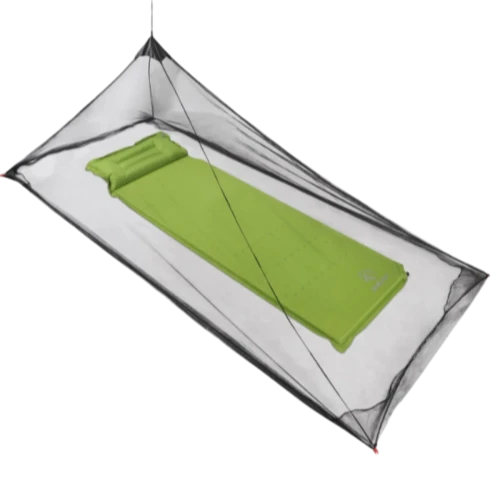
Simply put, a mosquito net is a fabric barrier designed to prevent mosquitoes and other biting insects from reaching people. Traditionally made from fine mesh polyester or polyethylene, they’re designed to physically block insects without toxic chemicals — although some models are treated with insecticides for added protection.
But beyond the simple mesh, it’s the net’s design, durability, ease of installation, and even the type of insecticide treatment that define their real-life usefulness. In humanitarian circles and industries alike, mosquito net definition extends to specifications regarding mesh size (generally between 156 to 200 holes per square inch), material strength, and longevity under different environmental stresses.
In modern applications, mosquito nets intersect with public health efforts, industrial safety (think malaria prevention programs at remote sites), and emergency shelters. Companies and NGOs both weigh the net’s properties carefully before investments because it’s not just a product — it’s a critical health intervention.
The Core Components That Matter in Mosquito Nets
1. Mesh Density and Material Type
Choosing the right mesh size balances breathability and insect protection. Polyester is great for durability, while polyethylene lends better UV resistance. Some nets come with permethrin or other insecticides infused, which significantly boost efficacy.
2. Durability and Tear Resistance
Nets often face rough conditions — harsh sun, frequent handling, washing, and sometimes rugged environments like field hospitals or refugee camps. High tensile strength materials reduce tears, keeping people protected longer.
3. Size and Scalability
For households, small rectangular or conical nets suffice. However, for large shelters or camps, scalable and modular nets allow entire areas to be protected efficiently.
4. Cost Efficiency and Accessibility
Low-income populations need affordable yet reliable mosquito nets, so cost-effective materials and simple manufacturing processes become essential. Bulk production and international partnerships help reduce price points.
5. Ease of Installation and Maintenance
Simple hanging systems and washable materials encourage sustained use. A net that’s a pain to put up quickly ends abandoned.
Mini takeaway: The true mosquito net definition spans mesh, material, cost, and use practicality — not just a piece of mesh fabric.Global Applications & Real-Life Examples
On the humanitarian front, NGOs like mosquito net definition know well that blanket net distributions transform malaria hotspots. For instance, in sub-Saharan Africa, mass campaigns have drastically cut new infections by coupling treated nets with education efforts.
In post-disaster relief, mosquito nets feature hugely. After cyclones in Southeast Asia (think Typhoon Haiyan, 2013), emergency kits were incomplete without them to prevent disease outbreaks in temporary shelters.
There are industrial and research applications, too. Mining sites or oil fields in malaria-endemic zones mandate indoor nets in worker housing, synchronizing workplace health & safety with personal protection.
| Specification | Details |
|---|---|
| Material | Polyester or polyethylene |
| Mesh size | 156-200 holes per square inch |
| Dimensions | Varies (single, double bed size, tent covers) |
| Insecticide treatment | Permethrin or deltamethrin (optional) |
| Lifespan | 3-5 years depending on care |
| Weight | ~150 grams per net (lightweight) |
Advantages & The Long-Term Value Behind Mosquito Nets
- Cost Effective: Compared to treatment costs of malaria or dengue, nets are a bargain.
- Environmental Sustainability: Modern nets are often recycled or biodegradable — a nod to the planet.
- Social Impact: Protect vulnerable groups, preserve productivity, and reduce school absenteeism.
- Reliability: No batteries, no active maintenance — just a physical shield.
Emotionally, they offer peace of mind — a simple promise of safety through the night, shielding families from invisible threats. Trust in the product often correlates with better community health outcomes, a win-win for innovation and humanity alike.
Future Trends Shaping Mosquito Net Technologies
Innovation is buzzing — pardon the pun — around mosquito nets. We see a rise of bioinspired materials replicating natural insect repellents, integration with smart fabrics that can indicate wear or treatment expiration, and eco-friendly insecticide technologies reducing chemical footprint.
Policies worldwide are pushing for distribution models that leverage digital tracking and supply chain transparency, making sure nets reach the remotest villages, uncorrupted and intact. There’s also ongoing research into solar-powered killing devices blending with nets for a hybrid approach, combining passive and active protection.
Challenges & How Experts Are Overcoming Them
Despite the wins, challenges remain: nets get misused (for fishing, for example), insecticide resistance grows, and wear-and-tear limits lifespan. Literacy issues and cultural resistance can hamper adoption.
One interesting solution includes community education programs alongside net distribution, enhancing “buy-in.” Manufacturers are experimenting with stronger materials and longer-lasting insecticides — some experiments with nanofibers look especially promising.
Vendor Comparison: A Quick Look
| Vendor | Material | Insecticide Treatment | Price Range (USD) | Special Features |
|---|---|---|---|---|
| SafeNet Supplies | Polyethylene | Permethrin-treated | $3 - $8 | UV-resistant, lightweight |
| BioShield Nets | Polyester | Deltamethrin-treated | $5 - $12 | Extra tear resistance |
| EcoNet Innovations | Recycled Polyester | Untreated / Optional treatment | $4 - $10 | Eco-friendly & biodegradable fibers |
FAQ: Your Top Questions on Mosquito Net Definition
Q1: What’s the difference between insecticide-treated and untreated mosquito nets?
Insecticide-treated nets (ITNs) have a chemical layer (like permethrin) that kills or repels mosquitoes, offering better protection. Untreated nets work as physical barriers only and might be less effective in high-risk zones. ITNs tend to be preferred for malaria prevention programs.
Q2: How long do mosquito nets typically last?
Most mosquito nets last about 3 to 5 years with proper care. Insecticide treatments may require retreating every couple of years or replacement. Harsh environmental exposure can shorten nets’ lifespan, so care and handling matter a lot.
Q3: Can mosquito nets be used outdoors?
Yes, but their effectiveness might reduce outdoors due to increased exposure to wind, dust, and other environmental factors. To maintain protection, consider shelters or enclosures for nets or specialized outdoor versions designed with stronger materials.
Q4: Are all mosquito nets the same size?
No, they vary by intended use — single beds, double beds, bassinets, or large tents. Choosing the right size ensures full coverage without gaps where mosquitoes may enter.
Q5: How can organizations ensure mosquito nets reach people in need?
Effective distribution is key — partnerships with local NGOs, government health bodies, and community education programs all help. Supply chain tracking and durable packaging improve logistics success.
Wrapping Up: Why Knowing Mosquito Net Definition Is Empowering
When you unpack the term mosquito net definition, you’re really stepping into a world where design meets public health, innovation blends with empathy, and simple products become lifesaving heroes. The ongoing evolution of mosquito nets—better materials, smarter treatments, sustainable manufacturing—makes this more than just a net: it’s a tool of dignity, safety, and hope.
To dive deeper into the latest mosquito net solutions, innovations, and provider info, feel free to visit our website. Because staying informed is the first step toward better protection worldwide.
References:




Latest news
-
Best Guide to Choose a Screen Door for Sliding Door for Your Home
NewsApr.16,2026 -
The Ultimate Guide to Choosing a screen door for a sliding door
NewsApr.09,2026 -
Choosing the Perfect Patio Sliding Screen Door for Your Home
NewsApr.07,2026 -
Choosing the Best Patio Screen Door with Frame for Your Home and Lifestyle
NewsApr.04,2026 -
Comprehensive Guide to Net Sliding Door Price Factors and Options
NewsMar.31,2026 -
Enhance Your Outdoor Space with a Durable Net Sliding Door for Balcony
NewsMar.28,2026 -
Discover the Benefits of Net Door Sliding Systems for Modern Homes
NewsMar.26,2026