

Nov . 29, 2025 03:45 Back to list
Mosquito Net for Double Bed – Effective Protection for Health & Comfort
Why a Mosquito Net for Double Bed Matters Worldwide
It might seem odd to start a conversation about mosquito net for double bed with global relevance, but bear with me. Mosquito-borne diseases like malaria, dengue, and Zika virus continue to affect millions each year — especially in tropical and subtropical regions. The World Health Organization estimates over 200 million cases of malaria annually, leading to nearly half a million deaths worldwide, many of whom are children under five.
Using a mosquito net, especially for a double bed shared by couples or families, is a small change with huge global impact. Besides health, these nets contribute to better sleep quality, reducing many secondary economic and social burdens. So understanding the benefits and versatility of mosquito nets designed for double beds is more than just a purchase; it’s an investment in wellbeing, efficiency, and dignity.
Mini takeaway: Mosquito nets are frontline defense against deadly diseases and improve quality of life globally. The double bed variant offers particular advantages for families and couples in vulnerable regions.
The Big Picture: Mosquito Nets in Global Health and Industry
The global mosquito net market has grown steadily, propelled by massive humanitarian efforts and private sector innovation alike. In sub-Saharan Africa, for instance, over 60% of households now own at least one insecticide-treated net, thanks largely to UN-backed distribution campaigns. But even in urban and industrial centers, where large workforce dormitories require protection, mosquito nets are indispensable.
However, challenges remain: How do you balance cost, durability, and effective coverage? How do you get these nets into remote or disaster-affected areas swiftly? And importantly, how do you design them to fit various bed sizes, among which double beds are one of the most common?
Mini takeaway: Mosquito nets balance public health, industrial safety, and humanitarian logistics—a fascinating crossroads of engineering and social good.
What Exactly Is a Mosquito Net for Double Bed?
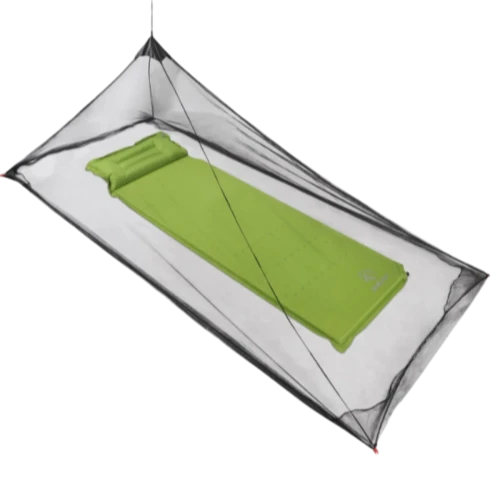
Simply put, a mosquito net for double bed is a fine mesh fabric designed to cover and protect a double-sized bed from mosquitoes and flying insects. They come in different styles — rectangular, dome, box-shaped — many treated with insecticides for enhanced protection.
This product isn’t just about keeping bugs out; it’s a vital piece of modern insect control technology. By acting as a physical barrier and sometimes an insect deterrent, these nets reduce human-vector contact in homes, hospitals, refugee camps, and industrial dormitories.
Key Features That Define Effective Double Bed Mosquito Nets
1. Durability
These nets often endure tropical climates, frequent washing, and sometimes rough handling. Materials like polyester and polyethylene offer superior longevity without excessive weight. Many come with UV protection coatings to avoid degradation under sun exposure.
2. Mesh Size and Airflow
Mesh size is a fine line — small enough to bar mosquitoes (down to 1.2 mm openings) yet large enough to allow air circulation and comfort during sleep. Poor airflow can lead to discomfort, especially in humid climates.
3. Easy Installation and Fit
For double beds, which measure about 54x75 inches (137x190 cm), the net’s size and shape must provide full coverage without gaps. Many models include hooks, magnets or collapsible frames to simplify setup.
4. Insecticide Treatment
Many nets are pre-treated with long-lasting insecticides like permethrin, ensuring that the net itself actively kills or repels mosquitoes on contact.
5. Portability
Especially for NGOs or travelers, compact design and lightweight materials that fold into small pouches are crucial.
6. Cost Efficiency
Value-for-money is key. Those nets must strike a balance — affordable enough for large-scale distribution programs yet robust enough to last season after season.
Mini takeaway: An effective mosquito net for double bed isn’t just about size—considering durability, comfort, and treatment elevates protection quality.
Where and How Are Mosquito Nets for Double Beds Deployed?
- Humanitarian & Relief Settings: Refugee camps, rural clinics, and disaster zones where malaria is a threat often require double bed nets that support communal living spaces.
- Residential Use: Families in malaria-endemic regions rely on durable nets to protect sleeping couples.
- Industrial Camps and Dormitories: In sectors like mining, agriculture, or construction, workers often stay in shared housing. Double bed mosquito nets here reduce illness and absenteeism.
- Travel & Leisure: Tourists and expats visiting mosquito-prone areas frequently purchase portable double bed nets for comfort and safety.
Mini takeaway: Mosquito nets for double beds are fundamental across diverse contexts—from mass health interventions to everyday protective comfort in homes.
Advantages & Long-Term Values of Double Bed Mosquito Nets
- Health Protection: Decreases vector-borne disease incidence significantly.
- Cost Savings: Reduces medical expenses, boosts worker productivity.
- Environmental Sustainability: Long-lasting insecticide treatment reduces chemical use.
- Social Impact: Enables peaceful sleep and dignity, crucial in crowded shelters.
Frankly, it’s these intertwined benefits — health, economics, and social well-being — that keep this simple product relevant and crucial decades after its invention.
Future Trends: What’s Next in Mosquito Nets for Double Beds?
Innovations are underway, from biodegradable nets made of organic fibers to “smart” nets infused with sensors that can detect mosquito activity and notify users via smartphones. There’s also growing interest in sustainability, with better recycling programs and nets treated with safer chemicals as insect resistance grows.
Automation in manufacturing means faster, more customizable nets are becoming a reality, easing availability in underserved areas. Honestly, it feels like a small but significant corner of public health tech getting a smart makeover.
Challenges and Creative Solutions
Common issues include damage from daily wear, insecticide resistance among mosquitoes, and cultural resistance to using nets consistently. The solution? Combining education initiatives with durable, user-friendly designs and alternative insecticide treatments that rotate chemicals to limit resistance.
NGOs and manufacturers collaborate increasingly with communities, embedding usage habits and feedback mechanisms into distribution strategies — which, frankly, is the secret sauce behind lasting impact.
Frequently Asked Questions About Mosquito Net for Double Bed
- Q1: How do I know if a mosquito net fits a double bed properly?
- A proper fit means the net fully covers the double bed dimensions (typically 54" x 75") with enough fabric to tuck under the mattress or seal edges, avoiding gaps mosquitoes can enter.
- Q2: Can I wash an insecticide-treated mosquito net?
- Yes, but gently. Most nets tolerate hand washing with mild soap and cold water. Machine washing may reduce insecticide effectiveness faster, so follow manufacturer care instructions for longevity.
- Q3: Are double bed mosquito nets only for tropical regions?
- While mainly designed for mosquito-prone areas, they can be useful anywhere mosquitoes or other flying insects cause sleep disturbance.
- Q4: How long does the insecticide treatment last on these nets?
- Typically, one to three years, depending on exposure, handling, and washing frequency. Some brands offer retreatment kits to extend net life.
- Q5: Can I use a single bed mosquito net on a double bed?
- Technically yes, but coverage and protection will be compromised, leaving gaps for insects to enter. It’s best to match net size to bed size.
Product Specifications Table
| Feature | Specification |
|---|---|
| Dimensions | 137 cm x 190 cm (54" x 75") coverage |
| Material | Polyester mesh with UV protection |
| Mesh Size | 1.2 mm (fine enough to block mosquitoes but breathable) |
| Insecticide Treatment | Permethrin, long-lasting (up to 3 years) |
| Weight | Approx. 300 grams |
| Installation | Hooks and magnetic strips included |
| Packaging | Foldable pouch, portable design |
Vendor Comparison Table
| Vendor | Price Range | Insecticide Treatment | Warranty | Distribution Areas |
|---|---|---|---|---|
| SafeSleep Nets | $18–25 | Yes, permethrin-treated | 2 years | Global with NGO partnerships |
| EcoGuard Mesh | $22–30 | No (untreated) | 1 year | Asia, Africa |
| TravelSafe Nets | $15–20 | Yes, shortterm insecticide | 6 months | Online retail worldwide |
Wrapping It Up: Why the Mosquito Net for Double Bed Still Matters
All things considered, purchasing or distributing a mosquito net for double bed means doing more than blocking pesky mosquitoes — it’s about improving health outcomes, strengthening economies, and upholding human dignity in myriad settings. Whether you're a humanitarian aid worker, manufacturing buyer, or family member concerned about well-being, this humble net plays a key role.
If you’re ready to explore options or supply quality nets for double beds, don’t hesitate to visit our website for the latest products, expert advice, and tailored solutions.
References:
1. World Health Organization, "World Malaria Report 2023" - https://www.who.int
2. United Nations Office for Disaster Risk Reduction (UNDRR) - https://www.undrr.org
3. ISO Standards on Mosquito Nets and Vector Control - https://www.iso.org

Latest news
-
Best Guide to Choose a Screen Door for Sliding Door for Your Home
NewsApr.16,2026 -
The Ultimate Guide to Choosing a screen door for a sliding door
NewsApr.09,2026 -
Choosing the Perfect Patio Sliding Screen Door for Your Home
NewsApr.07,2026 -
Choosing the Best Patio Screen Door with Frame for Your Home and Lifestyle
NewsApr.04,2026 -
Comprehensive Guide to Net Sliding Door Price Factors and Options
NewsMar.31,2026 -
Enhance Your Outdoor Space with a Durable Net Sliding Door for Balcony
NewsMar.28,2026 -
Discover the Benefits of Net Door Sliding Systems for Modern Homes
NewsMar.26,2026