

Dec . 02, 2025 16:20 Back to list
Mosquito Net Popup - Portable Protection Against Mosquito-Borne Diseases
Understanding Mosquito Net Popup: A Global Solution for Health and Comfort
Mosquito net popups might not be the first thing that comes to mind when you think about tackling global health challenges, but they definitely deserve a spot on the list. These portable, easy-to-deploy nets serve as a frontline defense against mosquito-borne diseases like malaria, dengue, and Zika — ailments that affect hundreds of millions of people globally each year. In fact, the World Health Organization estimates that malaria alone causes over 400,000 deaths annually, mostly in children under five in sub-Saharan Africa.
Understanding the mosquito net popup isn’t just about appreciating a handy camping accessory. It’s about seeing how simple innovations can scale up to address urgent humanitarian, environmental, and health needs worldwide. Plus, with their lightweight design and ease of use, these nets are game-changers in disaster relief zones, refugee camps, and even in urban homes where standing water breeds dangerous pests.
Global Context: Why Mosquito Net Popup Matters
Mosquito nets have long been a recognized protective tool against mosquito-transmitted diseases, but traditional nets often require intricate setup, are bulky to transport, or lack durability. That’s where pop-up mosquito nets come in — a design revolution endorsed by health organizations like UNICEF and reflected in ISO standards on vector control products.
Consider this: according to recent data from the United Nations, almost half of the world’s population lives in regions vulnerable to mosquito-borne illnesses. Pop-up nets offer rapid deployment, which is crucial in places with unpredictable outbreaks or where people must evacuate quickly. The “popup” feature reduces setup time to seconds, which can literally mean the difference between exposure and protection.
Defining Mosquito Net Popup
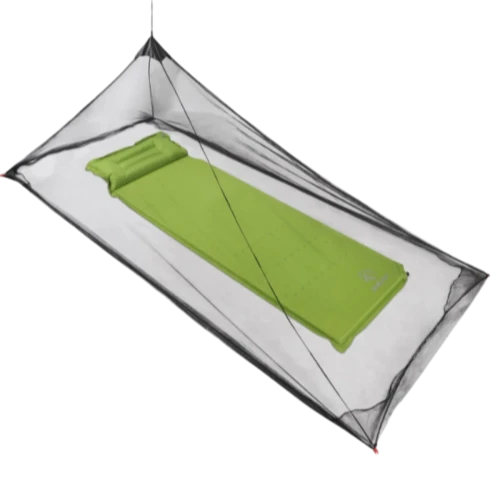
So what exactly is a mosquito net popup? In simple terms, it’s a mosquito net designed with an integrated spring-frame or similar mechanism that allows it to automatically unfold into its full form. Unlike traditional nets that need poles, hooks, or suspended frameworks, these pop-ups open up instantly with minimal effort.
This instant-release design connects strongly to modern needs — from industrial camps to humanitarian aid. It’s a blend of portability and efficiency, offering on-demand protection wherever you are. If you’ve ever wrestled with a cumbersome mosquito net while camping or felt the frustration of an improperly secured shelter, you’ll appreciate how popups remove those barriers.
Core Components and Factors of Mosquito Net Popup
1. Durability and Mesh Quality
The mesh size and material define effectiveness. Typically, polyester or polyethylene meshes prevent even tiny mosquitoes or sandflies from entering while maintaining breathability.
2. Frame Construction
The pop-up frame is usually a flexible spring steel wire designed to withstand repeated folding without losing shape. Its tension enables quick setup and retraction.
3. Size and Portability
Nets must balance compactness when packed with spacious interior volume when open. Most popups collapse to fit into compact round bags approximately 40cm in diameter.
4. Insect-Repellent Treatments
Many nets come pre-treated with insecticides like permethrin. This prolongs protection but demands proper certification to ensure safety and environmental regulations compliance.
5. Ease of Maintenance
Quick drying and washability are important, especially in humid climates. The pop-up mechanism should resist corrosion and damage from cleaning.
Mini takeaway: The success of a mosquito net popup hinges on a smart mix of strong material science, clever mechanical design, and user-friendly features that match real-world demands.
Product Specification Table: Typical Mosquito Net Popup
| Feature | Specification |
|---|---|
| Mesh Material | Polyester, 100-150 mesh count |
| Frame Material | Spring steel wire |
| Dimensions (Open) | 210cm x 90cm x 90cm (typical for single bed) |
| Pack Size (Folded) | 40cm diameter, 3cm thick |
| Weight | Approx. 700 grams |
| Insecticide Treatment | Permethrin (optional) |
Global Applications & Use Cases
These popup mosquito nets find utility across many sectors and geographies. In sub-Saharan Africa, NGOs distribute treated popups to refugee camps to rapidly fight malaria spikes. In Southeast Asia, where dengue fever threatens millions yearly, they are used within urban slums where permanent mosquito control is challenging.
Oddly enough, even in industrial workplaces like remote mining camps or oil rigs, popup nets serve as a practical way to provide safe rest environments without complex installations. Disaster relief operations, too, rely heavily on these nets — for example, after hurricanes in the Caribbean or floods in South Asia, when temporary shelter rapidly springs up and mosquito exposure spikes.
For travelers and outdoor enthusiasts, popup mosquito nets offer a reliable, hassle-free shield from bites without the need for cumbersome tent setups. They almost feel like a small but critical piece of the broader global health puzzle.
Vendor Comparison: Leading Mosquito Net Popup Manufacturers
| Vendor | Insecticide Treated | Warranty | Special Features | Typical Price |
|---|---|---|---|---|
| SafeNet Popups | Yes, permethrin | 2 years | UV resistant fabric | $25-$30 |
| EcoShield Nets | No | 1 year | Biodegradable packaging | $20-$25 |
| QuickGuard Popups | Yes, long-lasting | 3 years | Extra-large sizes available | $30-$35 |
Advantages & Long-Term Value of Mosquito Net Popup
Cost efficiency stands out because a popup net prevents illness — and illness often means lost work, expensive treatments, or even fatal consequences. The portability means it’s usable anywhere, anytime. This flexibility brings dignity, too — rather than relying on large, institutional shelters, families can carry their own protection.
On a societal level, reducing mosquito-borne illnesses decreases medical burdens and contributes to healthier, more productive communities. The beauty of these nets lies in combining technology and empathy, fostering trust in vulnerable populations.
Future Trends & Innovations
Innovations are buzzing. Biodegradable materials aim to minimize environmental footprints after nets reach end-of-life. Some manufacturers are experimenting with solar-powered micro-fans integrated into popup nets to increase airflow without compromising protection.
Digital traceability, enabled by QR codes, ensures that distributed nets are authentic and properly treated — a big issue in worldwide health programs. Automation in production is also reducing costs, meaning affordable quality is within reach for more communities.
Challenges & Solutions
There are unavoidable challenges: sunlight and rough handling can degrade the mesh and insecticide faster than desired. Additionally, some users find the pop-up spring frame tricky to fold back without damaging the net.
But manufacturers are addressing these with reinforced frame materials, improved folding guides, and user education. NGOs increasingly provide demos alongside distribution. The net’s longevity also improves with innovations in UV-resistant coatings.
FAQ: Common Questions About Mosquito Net Popup
- Q: How quick is the setup of a mosquito net popup compared to traditional nets?
- A: Typically, a mosquito net popup unfolds and is ready to use within seconds, eliminating the need for poles or complicated assembly. Traditional nets can take several minutes to install, sometimes requiring additional fixtures.
- Q: Can treated popup nets be safely washed without losing insecticide effectiveness?
- A: Most treated nets are designed to maintain effectiveness through multiple gentle washes, but harsh detergents or vigorous scrubbing can reduce longevity. Always follow manufacturer instructions for care.
- Q: Are popup mosquito nets suitable for outdoor camping?
- A: Absolutely. Their portability and ease of use make them ideal for camping or travel, providing reliable protection against mosquitoes without bulky setups.
- Q: How do NGOs ensure popup nets reach remote areas effectively?
- A: NGOs coordinate with local health authorities and use logistical networks tailored to each region. The compact size of popup nets facilitates transportation by air, road, or even on foot in difficult terrain.
Conclusion & Call to Action
In the big picture, mosquito net popups represent a small but powerful tool in the battle against mosquito-borne diseases worldwide. They offer a blend of convenience, affordability, and proven health benefits that resonate across climates and communities.
For anyone interested in practical and impactful mosquito control solutions, I encourage you to explore options like the mosquito net popup and see how this deceptively simple innovation can make a difference in your environment or relief efforts.
Reflecting on this topic, I find that sometimes the most effective interventions come from bridging design ingenuity and urgent health needs. Mosquito net popups are a perfect example of that synergy.

Latest news
-
Best Guide to Choose a Screen Door for Sliding Door for Your Home
NewsApr.16,2026 -
The Ultimate Guide to Choosing a screen door for a sliding door
NewsApr.09,2026 -
Choosing the Perfect Patio Sliding Screen Door for Your Home
NewsApr.07,2026 -
Choosing the Best Patio Screen Door with Frame for Your Home and Lifestyle
NewsApr.04,2026 -
Comprehensive Guide to Net Sliding Door Price Factors and Options
NewsMar.31,2026 -
Enhance Your Outdoor Space with a Durable Net Sliding Door for Balcony
NewsMar.28,2026 -
Discover the Benefits of Net Door Sliding Systems for Modern Homes
NewsMar.26,2026