

Jan . 07, 2026 04:25 Back to list
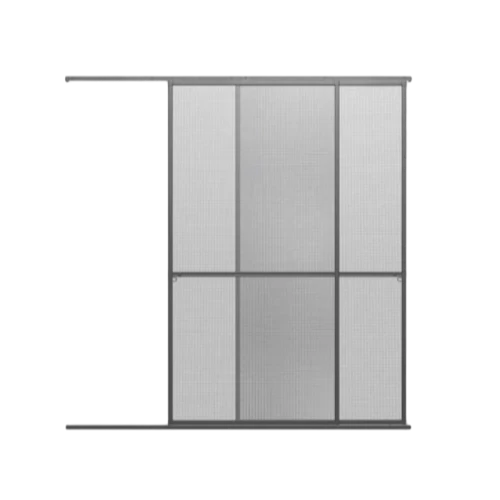
Mosquito Sliding Door Screen | Durable Industrial Insect Protection
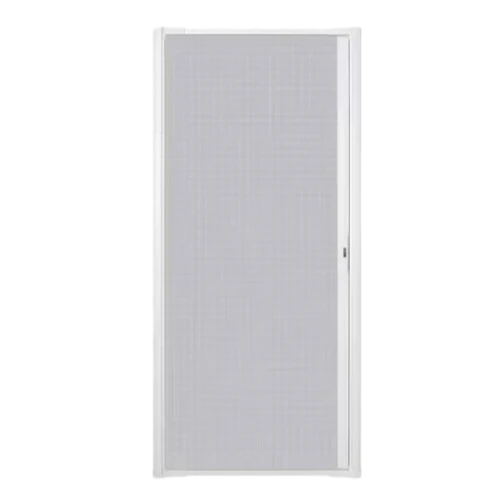
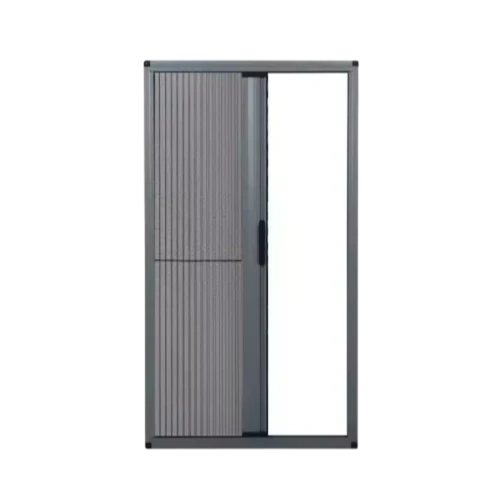
Mosquito Sliding Door Screen: Practical Protection Meets Industrial Reliability
Having spent over a decade dabbling in industrial equipment and facility maintenance, I’ve seen firsthand how what might seem like a humble product can become a real unsung hero. Take the mosquito sliding door screen, for example. It’s one of those things that quietly keeps workplaces comfortable and insects out — cutting down on distractions, contamination risks, and frankly, employee complaints.
In factories or warehouses where doors are frequently opened — sometimes dozens of times a day — the need for a reliable, durable sliding door screen becomes apparent fast. What’s interesting is how these screens have evolved from basic mesh covers to technically refined systems, often tailored for industrial use. They resist wear, stay taut, and keep their sliding action smooth even under heavy use.
Now, you might wonder about the core materials. Most mosquito sliding door screens use fiberglass mesh, which is rust-resistant and flexible, or sometimes stainless steel mesh for higher strength and industrial durability. The frames tend to be aluminum — light yet sturdy enough to withstand frequent handling. I personally prefer screens with extruded aluminum frames because they feel less flimsy over time; during one facility retrofit I worked on, the difference was clear after months of daily use.
From a practical perspective, it’s not just about keeping bugs out. These screens improve ventilation without sacrificing insect protection, which is crucial in climates where overheating or stale air can be a problem. Oddly enough, I’ve noticed some facilities where sliding door screens reduced complaints about mosquitoes and flies, which meant fewer breakroom calls and improved overall morale — an underrated benefit.
Installation and customization can really make a difference here, too. The ability to fit various door sizes is key since industrial sliding doors aren’t always standard dimensions. And then there’s manual vs. motorized options — yes, you can even get motorized sliding mosquito screens in more high-tech setups, which I found handy in places with very heavy foot traffic.
To simplify things, here’s a quick rundown of typical specs you'd expect from a reliable mosquito sliding door screen in industrial settings:
| Feature | Details |
|---|---|
| Mesh Material | Fiberglass or Stainless Steel |
| Frame Type | Aluminum Extruded Frame |
| Operation | Manual Sliding (Motorized Optional) |
| Customization | Custom Sizes & Finishes Available |
| Durability | UV Resistant & Corrosion Resistant |
When it comes to choosing a vendor, I tend to pay attention not just to specs but also to service, lead times, and how well they support installation. Here’s a quick vendor comparison based on common industry players offering these screens:
| Vendor | Customization Options | Material Quality | Lead Time | Warranty |
|---|---|---|---|---|
| CR Screen | High (Custom Sizes & Finishes) | Premium Fiberglass & Aluminum | 2-3 Weeks | 5 Years |
| Acme Screens | Medium (Limited Custom Sizes) | Standard Fiberglass | 3-5 Weeks | 3 Years |
| Quick Screen Pro | Low (Only Standard Sizes) | Basic Mesh & Frame | 1-2 Weeks | 1 Year |
One little anecdote from a recent job: A mid-sized food processing plant near the Gulf Coast had serious issues with mosquitoes near their loading dock doors, especially during humid months. They went for a customized mosquito sliding door screen system from CR Screen. After a few months, the reports of bugs inside the facility almost vanished. Maintenance said the screen held up superbly, even with the heavy traffic and occasional rough handling — which frankly, isn’t always the case in these environments.
So, if you’re responsible for logistics, industrial maintenance, or even a homeowner with a penchant for quality, investing in a good mosquito sliding door screen seems like a no-brainer. It’s one of those small upgrades that, over time, pays off in comfort, hygiene, and less pest-related downtime.
In real terms, grabbing one customized for your door size and operational needs can be surprisingly easy — just remember to look at the mesh type, frame durability, and vendor support. And don’t hesitate to ask about warranties; they often indicate how confident a manufacturer is in their product.
Feel free to dig deeper, but in my experience, this small screen is a mighty ally in tough environments.
- Industry standards for insect screens (ASHRAE)
- Material durability tests in industrial applications (Journal of Building & Environment)
- Customer testimonials and case studies from CR Screen
Latest news
-
Best Guide to Choose a Screen Door for Sliding Door for Your Home
NewsApr.16,2026 -
The Ultimate Guide to Choosing a screen door for a sliding door
NewsApr.09,2026 -
Choosing the Perfect Patio Sliding Screen Door for Your Home
NewsApr.07,2026 -
Choosing the Best Patio Screen Door with Frame for Your Home and Lifestyle
NewsApr.04,2026 -
Comprehensive Guide to Net Sliding Door Price Factors and Options
NewsMar.31,2026 -
Enhance Your Outdoor Space with a Durable Net Sliding Door for Balcony
NewsMar.28,2026 -
Discover the Benefits of Net Door Sliding Systems for Modern Homes
NewsMar.26,2026