

Sep . 30, 2025 16:15 Back to list
Pleated Fly Screen Doors—Slim, Smooth, DIY: Why Us?
Pleated Mesh Door: Insider Notes From the Screen Trade
If you’re shopping for pleated fly screen doors, you’ve probably noticed how fast the category has evolved—thinner bottom tracks, tougher cords, smarter magnets. To be honest, I didn’t expect this much innovation in something as humble as a screen door, but here we are. The pitch is simple: let the breeze in, keep the bugs out, and don’t clutter your view.
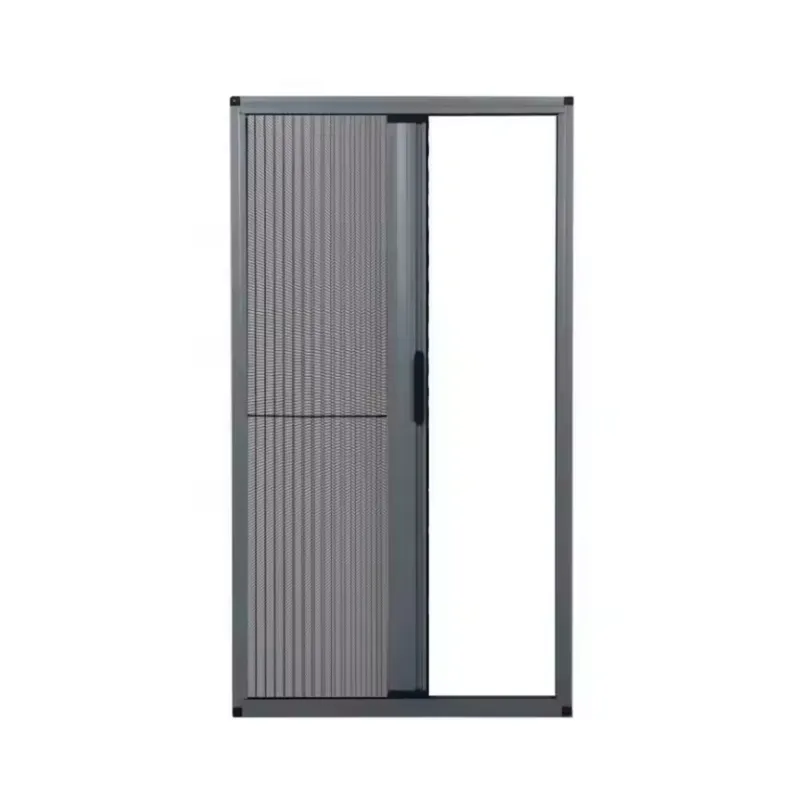
What it is (and why it’s trending)
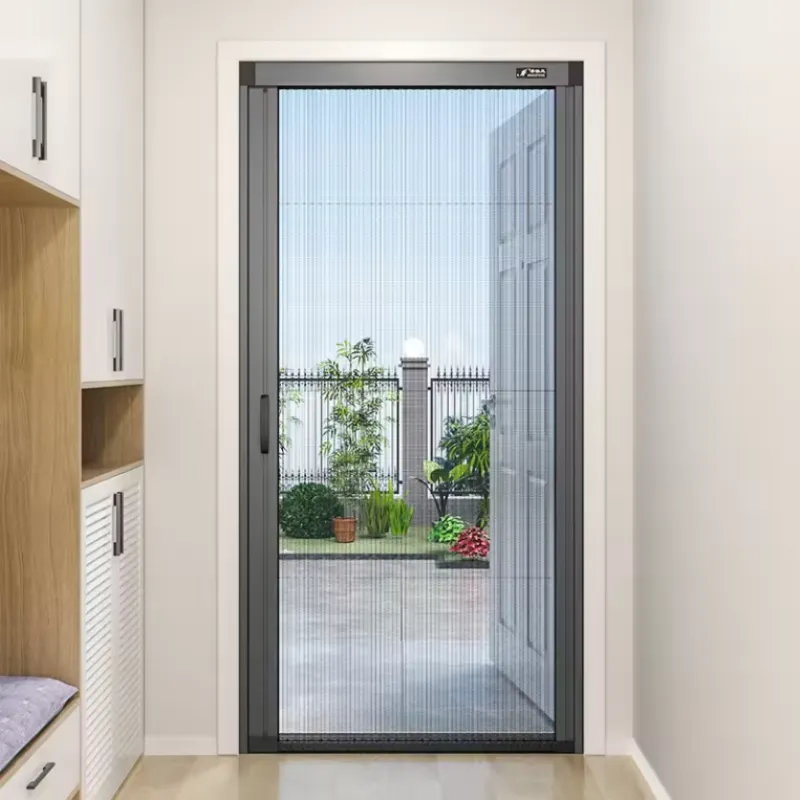
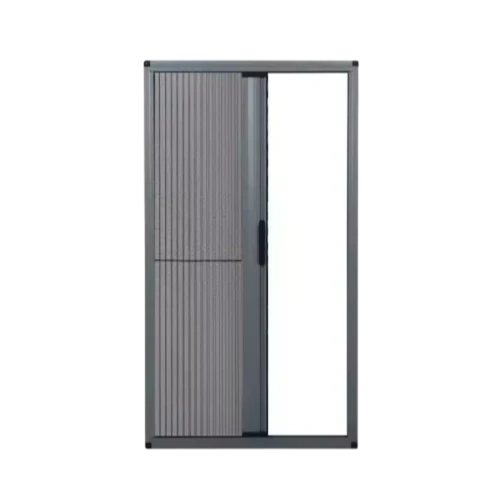
The Pleated Mesh Door is a retractable screen that folds like an accordion. Many customers say it’s the “no-slam, no-bulk” alternative to hinged screens. Post-pandemic, indoor air quality and passive ventilation became a thing, and—surprisingly—architects now spec pleated fly screen doors for patios, French doors, even café openings.
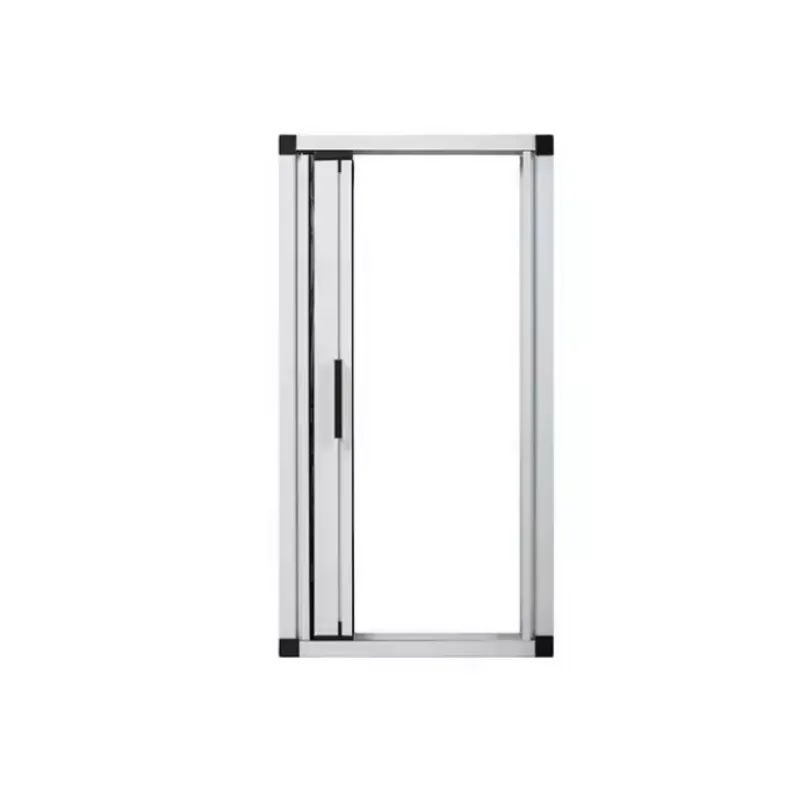
Key specs at a glance
| Parameter | Typical Value (≈, real-world use may vary) |
|---|---|
| Mesh | PET pleated mesh, 0.25–0.30 mm; 20×20 or 18×16 weave |
| Frame | 6063-T5 aluminum, powder-coated 60–80 μm |
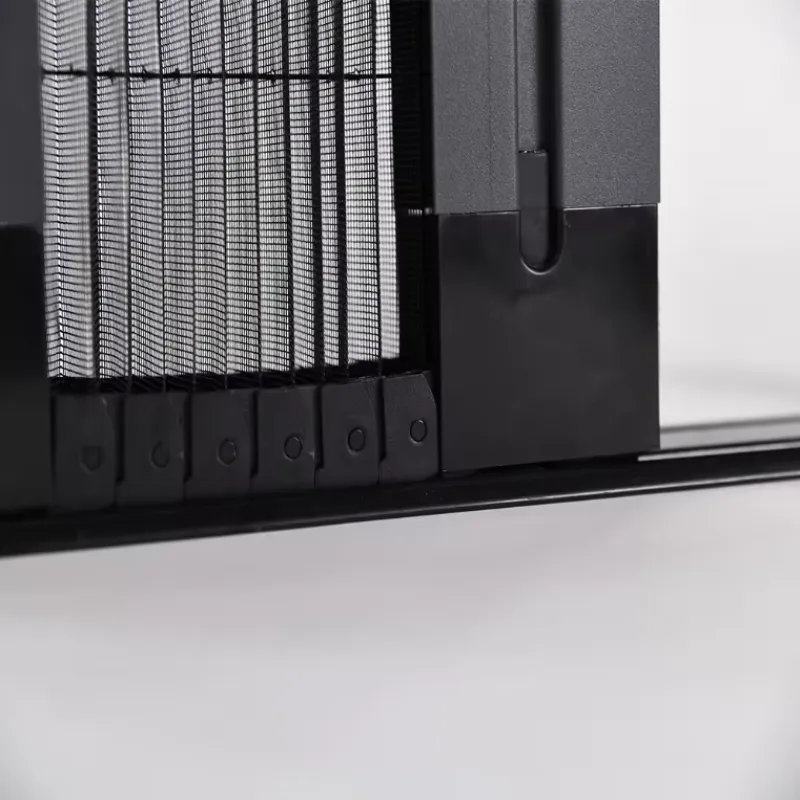
| Bottom track height | ≈3–5 mm low threshold |
| Max single-panel width | ≈1.2–1.5 m; double-panel up to ≈3.0 m |
| Cycle durability | ≥20,000 open/close cycles (lab) |
| UV/weathering | ISO 4892-2 exposure: 500 h pass (mesh color shift ≤ΔE 2.5) |
| Air leakage (assembly) | ASTM E283: ≤1.5 L/s·m² at 75 Pa (assembly-dependent) |
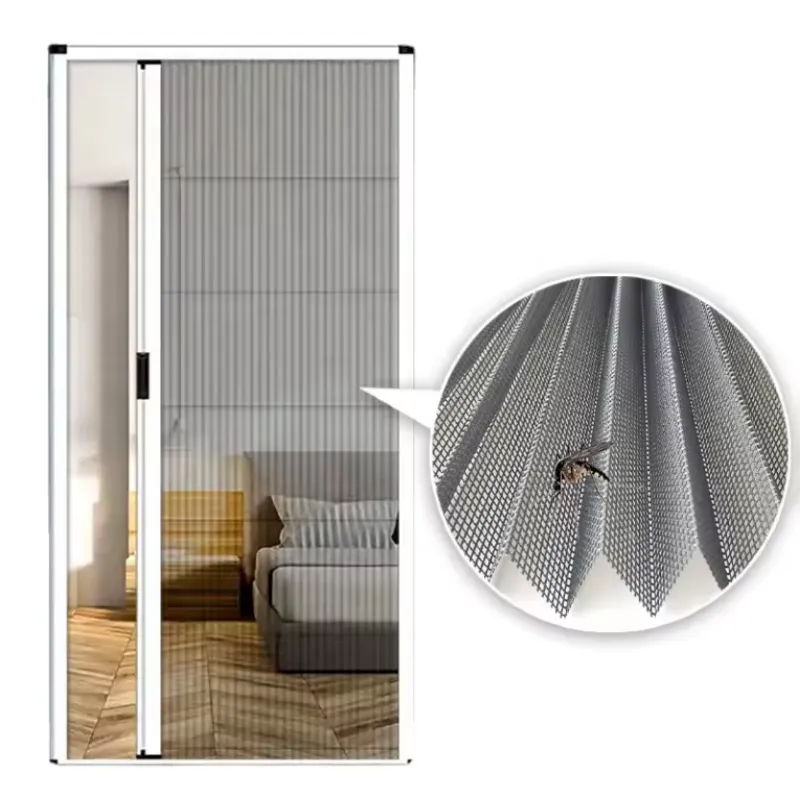
Process flow and quality checks
Materials: PET pleated mesh; Kevlar or high-tenacity polyester tension cords; 6063-T5 aluminum profiles; neodymium magnets; UV-stable PP end caps.
Methods: aluminum extrusion → CNC cutting → mesh pleating and heat-setting → cord routing and tensioning → frame assembly → powder coating → final fit and seal checks.
Testing standards: UV aging (ISO 4892-2), salt spray on coated profiles (ISO 9227 ≥240 h), air leakage (ASTM E283), cycle life on rigs (≥20k).
Service life: around 7–10 years residential; 5–7 years coastal or heavy-traffic sites, with seasonal cleaning.
Where they’re used
Homes (patios, balconies, courtyards), restaurants and cafés, boutique hotels, schools (classroom verandas), healthcare waiting areas, and caravans. Installers like the low threshold; parents like that it slides softly; pets… well, train them!
Vendor snapshot and buying tips
Origin matters. CRScreen’s plant (Room710, Fangrun business buliding, No29 Xisanzhuang Street, Shijiazhuang, Hebei, China) ships globally. Below is a practical comparison—nothing fancy, just what buyers ask me about.
| Vendor | Lead Time | Customization | Warranty | Notes |
|---|---|---|---|---|
| CRScreen (Pleated Mesh Door) | 15–25 days | Sizes, RAL colors, single/double panel, custom tracks | 2–3 years | Factory direct; ISO/REACH declarations available |
| European brand (local dealer) | 2–6 weeks | Strong color library | 2 years | Higher price; fast service calls |
| Online marketplace seller | 7–15 days | Limited | 1 year | Budget option; check mesh and cord specs |
Customization and compliance
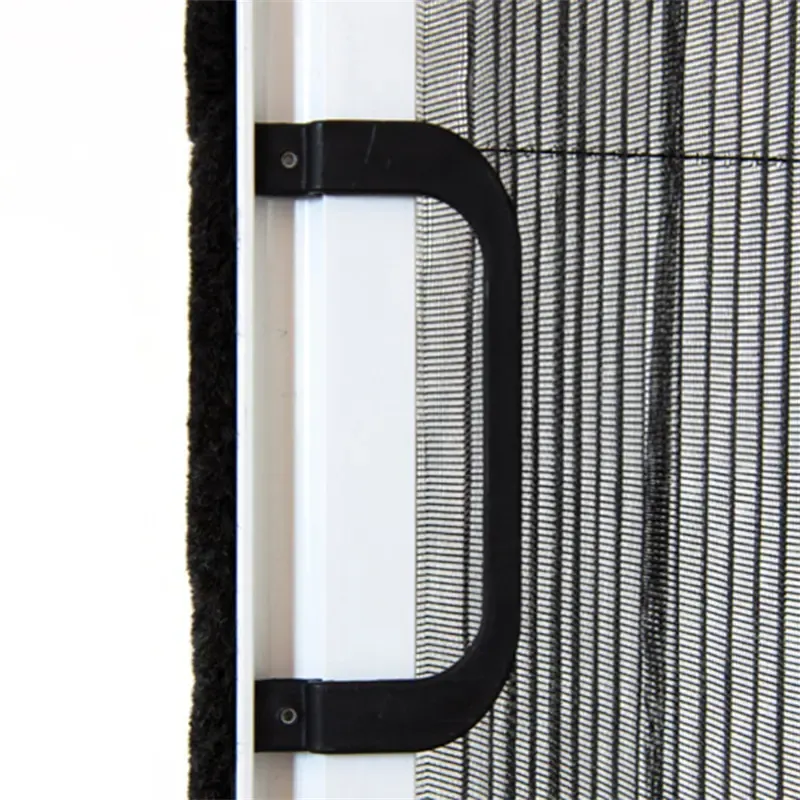
Options include single, double, or recessed installs; pet-friendly reinforced mesh; magnetic or latch closure; RAL color matching. Chemical safety docs (REACH, RoHS) should be on file. Ask for UV and salt-spray test reports if you’re near the coast. And yes, pleated fly screen doors can be integrated with most uPVC, timber, or aluminum door systems.
Mini case studies
Coastal home, NSW: double-panel unit handled daily use through one stormy season; magnets stayed aligned; minor salt haze on track—wiped clean. Restaurant terrace, Lisbon: staff loved the 3 mm threshold (no trip complaints); cycle wear noticeable after a busy summer but cords held tension.
Bottom line
If you value airflow without visual clutter, pleated fly screen doors are hard to beat. Check mesh grade, cord material, and real test data—not just glossy photos. That’s where the difference shows up six months later.
Authoritative citations
- ISO 4892-2: Plastics — Methods of exposure to laboratory light sources — Xenon-arc lamps
- ISO 9227: Corrosion tests in artificial atmospheres — Salt spray tests
- ASTM E283: Standard Test Method for Determining Rate of Air Leakage Through Exterior Windows, Curtain Walls, and Doors
- REACH Regulation (EC) No 1907/2006
- RoHS Directive 2011/65/EU
Latest news
-
Best Guide to Choose a Screen Door for Sliding Door for Your Home
NewsApr.16,2026 -
The Ultimate Guide to Choosing a screen door for a sliding door
NewsApr.09,2026 -
Choosing the Perfect Patio Sliding Screen Door for Your Home
NewsApr.07,2026 -
Choosing the Best Patio Screen Door with Frame for Your Home and Lifestyle
NewsApr.04,2026 -
Comprehensive Guide to Net Sliding Door Price Factors and Options
NewsMar.31,2026 -
Enhance Your Outdoor Space with a Durable Net Sliding Door for Balcony
NewsMar.28,2026 -
Discover the Benefits of Net Door Sliding Systems for Modern Homes
NewsMar.26,2026