

Dec . 02, 2025 01:15 Back to list
Pop Up Mosquito Dome: Protecting You're Space Quickly & Efficiently
Pop Up Mosquito Dome: A Smart Solution for Global Insect Protection
When you hear the term pop up mosquito dome, you might imagine something novel yet oddly practical — and you’d be right. These handy bit of tech and design offer a simple, efficient way to keep pesky, disease-carrying mosquitoes away, especially in regions where insect-borne illnesses remain a serious health threat. Worldwide, mosquito-borne diseases like malaria and dengue fever claim hundreds of thousands of lives annually, according to the World Health Organization (WHO). As such, understanding the value and deployment of pop up mosquito domes is not just a minor curiosity but a relevant global concern.
Global Context: Why Pop Up Mosquito Domes Matter
It’s no secret that mosquitoes rank among humanity's deadliest foes. In tropical and subtropical regions, where climate conditions favor mosquito breeding, control methods are often complex, costly, or unsustainable. The pop up mosquito dome serves as a portable, rapid-response solution to a persistent global challenge. According to recent UN reports, over half the world’s population remains at risk of vector-borne diseases — making innovations in protective shelter a top priority.
Pop up mosquito domes also address the logistical hurdles faced by humanitarian and health organizations operating in remote or disaster-stricken zones. The ability to deploy protective housing quickly — which requires little setup expertise — can be a game-changer in emergency relief efforts.
What exactly is a Pop Up Mosquito Dome?
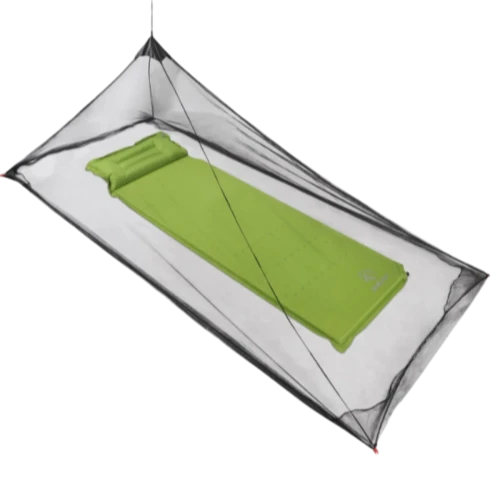
Simply put, it's a tent-like structure with a built-in mosquito net, designed to be easy to erect without tools — it literally “pops up.” The dome’s mesh fabric provides a breathable barrier protecting inhabitants from mosquitoes and other insects, while its foldable frame makes it lightweight and highly portable.
These domes serve both recreational campsites and field hospitals, military encampments, or even residential backyards in mosquito-infested areas. Their design cuts across industries, reflecting a blend of practicality and necessity in modern shelter solutions.
Core Components of Pop Up Mosquito Domes
Durability
Many pop up mosquito domes use ripstop polyester or nylon mesh with UV-resistant coatings. These materials withstand rough handling and varying weather conditions. Durability means the dome holds up over multiple uses — crucial in long-term relief camps.
Portability
Lightweight yet sturdy frames made of fiberglass or aluminum help the dome fold down to compact sizes. This portability is a notable advantage when moving supplies into hard-to-reach areas.
Ease of Deployment
The hallmark feature is speed. Unlike conventional tents that require poles and instructions, pop up domes literally spring into shape. This requires less training for users and translates into faster, more reliable setup.
Ventilation
The fine mesh ensures airflow to keep interiors cool, preventing discomfort or condensation — a subtle but vital design point often overlooked in temporary shelters.
Cost Efficiency
Typically priced to be affordable for NGOs and small organizations, these domes provide a sustainable investment against insect-borne disease transmission.
Product Specifications: Typical Pop Up Mosquito Dome Features
| Feature | Specification |
|---|---|
| Dimensions (assembled) | 2m diameter x 1.2m height |
| Material | UV-resistant polyester mesh & flexible fiberglass frame |
| Weight | Approx. 1.2 kg |
| Setup Time | Under 2 minutes |
| Pack Size | Compact 40cm diameter bag |
| Use Cases | Camping, relief camps, military, residential protection |
Vendor Comparison: Leading Pop Up Mosquito Dome Providers
| Vendor | Price Range | Durability Rating | Ease of Setup | Additional Features |
|---|---|---|---|---|
| MosquitoSafe Inc. | $$ | High (5 years typical lifespan) | Very Easy | Built-in UV protection, compact carry case |
| SafeNet Solutions | $ | Moderate (3 years) | Easy | Mosquito netting with anti-mold treatment |
| FieldShield Gear | $$$ | Very High (7+ years) | Moderate (some assembly) | Reinforced frame, weatherproof cover included |
Global Applications & Use Cases
Across continents, pop up mosquito domes have found roles in:
- Humanitarian Relief: Post-disaster scenarios such as floods or hurricanes create breeding grounds for mosquitoes. Organizations like Médecins Sans Frontières utilize these domes as immediate shelter to secure patient wards from malaria vectors — reducing infection rates dramatically.
- Remote Worksites: Mining or oil exploration camps in tropical environments use mosquito domes to guard workers, minimizing downtime from insect-borne diseases.
- Residential Comfort: Families living in high-risk zones in Africa, Southeast Asia, and parts of Latin America have embraced these domes for nightly sleep protection, preserving health and dignity.
Interestingly, in countries like Brazil and India, where mosquito-borne illnesses spike seasonally, community programs distribute pop up mosquito domes as affordable public health interventions.
Mini takeaway: The dome’s flexibility and rapid deployment make it an appealing tool for both large-scale programs and individual users.
Advantages & Long-Term Value
Most engineers and health workers agree: pop up mosquito domes meet both logical and emotional needs.
- Cost Effective: Compared to fumigation or insecticide spraying, domes offer sustainable protection without chemical exposure.
- Social Impact: Protecting vulnerable populations strengthens community resilience, reducing medical costs and mortality.
- Safety and Dignity: Provides peaceful night rest in a secure, insect-free environment — a basic comfort often underappreciated.
- Reliability: Materials withstand humid conditions; the design is tested to prevent mosquito entry effectively.
Future Trends & Innovations
Looking ahead, the pop up mosquito dome is evolving:
- Eco-friendly Materials: New biodegradable mesh fabrics and frames sourced from recycled polymers are gaining traction — a nod to sustainability.
- Smart Integration: Early prototypes include sensor-embedded domes monitoring mosquito activity, relaying data remotely to health agencies.
- User-Centered Customization: Variable sizes, UV coatings, and modular add-ons (like solar-powered fans) accommodate diverse climate and user needs.
- Automated Deployment: In disaster zones, drones delivering pre-assembled pop up mosquito domes could speed access dramatically — though this remains experimental.
Challenges & Solutions
No solution is perfect, right? While pop up mosquito domes offer a neat fix, limitations remain:
- Brushes with durability: Constant exposure to harsh sun or rough handling can decrease lifespan — manufacturers recommend replacement every 3–5 years.
- Breathing vs. Barrier: Fine meshes reduce airflow at times; luckily, ventilation panels or built-in fans help offset discomfort.
- Cost for large populations: Distributing at scale can be prohibitively expensive for cash-strapped NGOs. Partnerships with local manufacturers and subsidies are ongoing strategies.
Expert insights suggest that pairing domes with broader vector control — such as environmental management and education — produces the best results.
Frequently Asked Questions About Pop Up Mosquito Domes
- How fast can I set up a pop up mosquito dome?
- Most models can be assembled in under two minutes without special tools — simply unpack and let the flexible frame spring open.
- Are these domes suitable for children or elderly users?
- Absolutely. Their spacious interior and smooth design prevent injuries, making them safe for all ages.
- Can these domes be re-used across multiple seasons?
- With proper care—like gentle cleaning and dry storage—most domes last several years, though replacements are recommended after extended heavy use.
- How do I clean or maintain the mesh fabric?
- Hand wash with mild soap and water is best; avoid bleach or harsh chemicals that can degrade the mesh fibers.
- Do pop up mosquito domes work against other insects?
- The fine mesh is effective against mosquitoes, flies, and other small bugs, though it cannot block larger pests.
Conclusion
To sum up, the pop up mosquito dome represents a thoughtful balance of convenience, protection, and cost that meets pressing global needs — whether in remote field camps or backyard porch setups. Its ability to combine rapid, tool-free deployment with effective insect defense touches on humanitarian priorities and everyday comfort alike.
For those looking to invest in sustainable mosquito control or improve emergency response readiness, checking out reliable suppliers and innovative models is a smart move. To explore our recommended solutions and learn more, visit our website. Your peace of mind — and better sleep — might just pop up right there.
Mini takeaway: Simple innovations often have outsized impacts. The pop up mosquito dome certainly fits that bill.
References:
1. World Health Organization (WHO) - Vector-borne diseases fact sheet, 2023.
2. United Nations Environment Programme - Climate & Health Report, 2022.
3. ISO Standard 3160 - Textile Mosquito Netting Specifications, 2021.


Latest news
-
Best Guide to Choose a Screen Door for Sliding Door for Your Home
NewsApr.16,2026 -
The Ultimate Guide to Choosing a screen door for a sliding door
NewsApr.09,2026 -
Choosing the Perfect Patio Sliding Screen Door for Your Home
NewsApr.07,2026 -
Choosing the Best Patio Screen Door with Frame for Your Home and Lifestyle
NewsApr.04,2026 -
Comprehensive Guide to Net Sliding Door Price Factors and Options
NewsMar.31,2026 -
Enhance Your Outdoor Space with a Durable Net Sliding Door for Balcony
NewsMar.28,2026 -
Discover the Benefits of Net Door Sliding Systems for Modern Homes
NewsMar.26,2026