

Dec . 02, 2025 02:30 Back to list
Pop Up Mosquito Tent: Portable, Effective Insect Protection for Global Health
Understanding the Pop Up Mosquito Tent: A Global Necessity
In many parts of the world, especially tropical and subtropical regions, mosquito-borne diseases remain a persistent threat to health and safety. The simple act of sleeping outdoors or in poorly protected spaces can expose millions to illnesses like malaria, dengue, and Zika virus. Enter the pop up mosquito tent: a lightweight, portable, and effective shield that’s changing the face of personal protection globally. But why does it matter so much, and what benefits does it bring to the table? Frankly, these tents are more than just fabrics stretched over frames — they’re a frontline defense in humanitarian aid, travel, and even everyday outdoor enjoyment.
Let’s delve into what these tents are, why they’ve become so essential, and how understanding their design and applications can have a real impact on lives worldwide.
Global Context: Why Pop Up Mosquito Tents Matter Today
According to the World Health Organization, over 200 million cases of malaria were reported worldwide in 2021 alone, with an estimated 400,000 deaths. Mosquitoes, essentially vectors of life-threatening diseases, disproportionately affect low-income regions lacking advanced infrastructure and consistent healthcare.
Pop up mosquito tents offer a practical solution by providing instant protection without relying on chemical repellents or electrical devices, which aren’t always available or safe. UN humanitarian agencies have integrated these tents into relief programs in regions vulnerable to vector-borne outbreaks after floods, wars, or displacement.[1] Oddly enough, something as simple as a tent that pops up can drastically reduce disease transmission rates—and that’s why they matter so much globally.
What is a Pop Up Mosquito Tent?
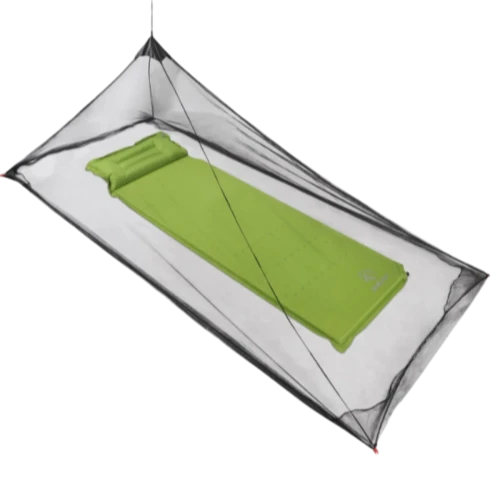
Simply put, a pop up mosquito tent is a portable enclosure that uses fine mesh netting to block mosquitoes and other insects. The “pop up” descriptor refers to the tent’s quick-deployment design — typically using tensioned flexible frames that expand with minimal effort and fold compactly for transport. Imagine a personal protective bubble that you can set up anywhere in minutes.
From camping trips to emergency shelters, these tents are designed to meet both recreational and humanitarian needs, combining convenience with effective vector control.
Core Components and Key Factors
1. Durable Mesh Fabric
The heart of any mosquito tent is its mesh netting. The weave needs to be fine enough (usually 150-200 holes per inch) to block tiny mosquitoes but breathable enough to allow airflow. Materials like polyester or nylon coated with insect-repellent treatments can extend protection.
2. Quick-Deploy Frame Technology
Most pop up models use spring steel or fiberglass rods built into the fabric, allowing tents to ‘pop open’ automatically when unfolded. This mechanism is crucial for rapid deployment in emergency or travel contexts.
3. Portability and Weight
It usually weighs under 2kg and fits into small carry bags. This portability factor makes it ideal for displacement camps, hikers, or outdoor workers who need reliable protection on the go.
4. Ease of Maintenance
The best designs allow for simple washing and air drying without tearing the mesh, increasing service life and reducing waste.
5. Coverage and Size Options
Pop up tents come in a range of sizes—from individual sleeping pods to small family shelters—depending on specific needs.
Technical Specifications of a Typical Pop Up Mosquito Tent
| Specification | Details |
|---|---|
| Material | Polyester mesh with insect-repellent treatment |
| Dimensions (folded) | 40cm diameter, 3 cm thickness |
| Dimensions (opened) | 210cm length x 85cm height x 90cm width |
| Weight | 1.3 kg |
| UV Protection | UPF 30+ |
| Setup Time | Under 2 minutes |
Global Applications & Use Cases
You’ll find pop up mosquito tents in all sorts of environments. In Southeast Asia and Sub-Saharan Africa, health NGOs distribute them in malaria-endemic areas, especially in refugee camps or rural villages.[2] In disaster zones—think floods in Bangladesh or cyclone aftermaths in Mozambique—the tents provide immediate, chemical-free insect protection where infrastructure is compromised.
In industrial settings, workers on remote mining or forestry projects use these tents during overnight stays to avoid interruptions from insect bites. Outdoor enthusiasts, from hikers to festival-goers, also swear by them for a bug-free night’s rest.
If you’re curious about examples, check out this detailed photojournalism report on pop up mosquito tents in humanitarian missions.
Vendor Comparison: Leading Pop Up Mosquito Tent Manufacture Options
| Brand | Weight | Material Quality | Ease of Setup | UV Protection | Price Range |
|---|---|---|---|---|---|
| EcoGuard | 1.2 kg | High-grade polyester treated | 30 seconds pop-up | UPF 35+ | $45 - $55 |
| MosqLite | 1.0 kg | Nylon mesh with water-resistant coating | Under 1 minute | UPF 20 | $30 - $40 |
| SafeNest | 1.5 kg | Heavy-duty mesh, extra rip-resistant | 45 seconds pop-up | UPF 50+ | $60 - $70 |
Advantages and Long-Term Value
Cost-wise, these tents are often a bargain when compared to the health care and productivity losses from mosquito-borne illnesses. They’re sustainable, too: washable and reusable, avoiding the waste generated by chemical sprays and batteries. Socially, they bring peace of mind and dignity for vulnerable people who might otherwise have to endure unsafe sleeping conditions. There’s something reassuring about that quiet, zipped-up bubble of protection—both emotionally and logically.
Future Trends and Innovations
Innovations are already underway: biodegradable and recyclable materials aim to minimize environmental impact. Some models incorporate solar-powered LED lights inside, improving safety and comfort. Others experiment with nano-coatings that last for years, repelling mosquitoes without pesticides. Policymakers and global health bodies are increasingly recognizing pop up mosquito tents as vital tools for entomological control strategies.[3] Digital transformation has also brought improvements in supply chain tracking, ensuring better distribution across hard-to-reach regions.
Challenges & Solutions
Of course, no product is perfect. Challenges include mesh durability under rugged use, user awareness on proper setup, and cultural acceptance in certain communities. Scientists and engineers are working to address tear resistance and innovate self-cleaning fabrics. Education campaigns accompany distribution to maximize proper use. Frankly, integrating these tents within wider public health efforts rather than seeing them as a one-stop solution is key.
FAQ: Frequently Asked Questions About Pop Up Mosquito Tents
- Q: How quickly can a pop up mosquito tent be set up?
A: Generally, these tents can be fully deployed within 30 seconds to 2 minutes, making them ideal for emergencies and rapid use outdoors. - Q: Are pop up mosquito tents effective against all mosquito species?
A: Yes, the fine mesh blocks even small species like Anopheles mosquitoes that spread malaria, though proper sealing is essential for full protection. - Q: Can I wash the tent’s mesh to maintain hygiene?
A: Absolutely. Most tents are designed for gentle hand washing with mild detergent and air drying to preserve mesh integrity and insect-repellent coatings. - Q: How long does a typical pop up mosquito tent last with daily use?
A: Depending on care and environment, tents usually last 2-5 years before needing replacement. - Q: Can NGOs import these tents in bulk for humanitarian aid?
A: Yes, many vendors offer international shipping and bulk pricing, but NGOs need clearance for import regulations and coordination with local authorities.
Conclusion: Why You Should Consider a Pop Up Mosquito Tent
In real terms, investing in a pop up mosquito tent feels like investing in health, security, and peace of mind — be it for yourself or vulnerable communities around the world. Their ease of use, portability, and eco-friendly attributes mean smarter protection without fuss. If you want to explore some top models, or need reliable sourcing for large-scale projects, visit our website for detailed listings and expert guidance.
As I reflect on the breadth of applications—from remote campsites to disaster zones—the pop up mosquito tent proves a small invention with potentially huge impact.
References:
1. World Health Organization (2023). World Malaria Report 2023. https://www.who.int
2. United Nations High Commissioner for Refugees. Emergency Shelter and Mosquito Protection. https://www.unhcr.org
3. International Organization for Standardization. ISO Standards for Insect Protective Fabrics. https://www.iso.org

Latest news
-
Best Guide to Choose a Screen Door for Sliding Door for Your Home
NewsApr.16,2026 -
The Ultimate Guide to Choosing a screen door for a sliding door
NewsApr.09,2026 -
Choosing the Perfect Patio Sliding Screen Door for Your Home
NewsApr.07,2026 -
Choosing the Best Patio Screen Door with Frame for Your Home and Lifestyle
NewsApr.04,2026 -
Comprehensive Guide to Net Sliding Door Price Factors and Options
NewsMar.31,2026 -
Enhance Your Outdoor Space with a Durable Net Sliding Door for Balcony
NewsMar.28,2026 -
Discover the Benefits of Net Door Sliding Systems for Modern Homes
NewsMar.26,2026