

Dec . 02, 2025 07:25 Back to list
Pop Up Tent Mosquito Net: Global Health and Outdoor Protection Explained
Understanding the Pop Up Tent Mosquito Net: A Global Necessity for Health and Comfort
If you’ve ever struggled with pesky bugs ruining your peaceful outdoor moments, you know just how valuable a mosquito net can be — but what about the pop up tent mosquito net? These clever designs combine convenience and protection in ways traditional mosquito nets simply can’t. Globally, they’re not just about comfort; they’re a frontline defense against mosquito-borne illnesses like malaria and dengue, especially in vulnerable regions.
According to the World Health Organization, mosquito-borne diseases impact hundreds of millions annually, causing significant mortality and economic burdens. In this light, understanding the pop up tent mosquito net — a practical, portable, and easy-to-deploy solution — is more than a mere outdoor gear choice; it’s a small but vital piece of public health strategies and humanitarian aid worldwide.
Global Context: Why the Pop Up Tent Mosquito Net Matters
The need for effective mosquito protection touches millions, particularly in tropical and subtropical regions. Globally, regions in Africa, Southeast Asia, and parts of South America see high malaria and dengue rates — as the UN reports, nearly half the world's population is at risk of malaria alone. Additionally, with climate change pushing mosquito habitats into new zones, the demand for versatile protection tools rises.
Pop up tent mosquito nets address some critical challenges: traditional nets can be cumbersome or require complex setups; the pop up style flips that script, offering quick assembly and portability. This matters hugely for health workers in remote areas, traveling campers, or disaster relief teams needing rapid, reliable shelter from insects.
Defining the Pop Up Tent Mosquito Net
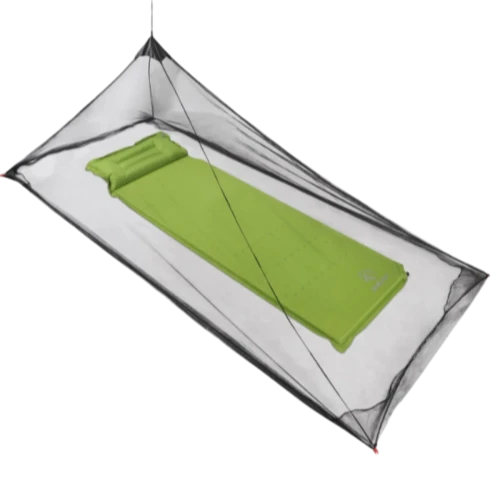
Simply put, a pop up tent mosquito net is a lightweight, self-supporting tent integrated with fine mesh nets that block mosquitoes and other insects. Unlike standard nets hung over beds, these are freestanding, designed to “pop” open and fold away within moments.
They’re particularly useful in modern applications — from humanitarian aid charities setting up emergency shelters, to ecotourists venturing into wilderness, and even military units requiring fast-erecting protection in tropical zones. Their ease of use and mobility has made them an indispensable item bridging outdoor comfort and disease prevention.
Core Components & Key Factors
1. Durability and Material Quality
These nets typically use polyester or nylon mesh integrated with fiberglass or flexible wire frames. The mesh needs to be fine enough (usually about 156 holes per square inch) to block mosquitoes without restricting airflow. Durability is tested against UV exposure and repeated folding cycles — a real consideration for field use.
2. Portability & Ease of Deployment
Pop up tents literally unfold and pop into shape, requiring no poles or extra tools. This saves crucial time in emergencies or hikes and encourages usage among less handy users — that’s where many say its genius lies.
3. Size & Configuration
They come in various sizes — single-person to family-size — and shapes ranging from dome to rectangular. The inclusion of zippered doors and windows with tight seams are important practical touches that affect usability.
4. Mesh Density & Insect Protection
The denser the mesh, the better the protection — but balance is critical. Too dense and ventilation suffers, risking heat buildup; too loose and mosquitoes get through. ISO standards (ISO 13015) guide manufacturers on optimal mesh specifications.
5. Cost Efficiency
Because these are mass-produced textile items, prices vary widely. Cheaper nets might sacrifice durability or mesh quality, while premium nets offer treated fabrics with insecticide coatings. Understanding cost-to-longevity ratios is key, especially for NGOs purchasing in bulk.
Mini takeaway: The best pop up tent mosquito nets balance robust materials, smart design, and ease of use — vital for global and local needs alike.
Pop Up Tent Mosquito Net in Action: Global Use Cases
- Post-disaster relief: In regions hit by floods or storms, temporary shelters with integrated mosquito nets prevent outbreaks of vector-borne diseases among displaced populations.
- Remote industrial zones: Mining camps or research stations in mosquito-prone environments use pop up nets to ensure worker health and productivity.
- Humanitarian missions: Organizations like Doctors Without Borders rely on quick-erect pop up tents to protect medical staff and patients alike.
- Recreational camping: Eco-conscious adventurers prefer these nets for natural protection without chemical repellents.
Interestingly, some manufacturers customize these tents to include solar panels or insecticide-treated fabrics, indicating a trend towards multifunctional field gear.
Advantages and Long-Term Value
What makes these nets so attractive, beyond just keeping bugs away? For one, they offer safety: by preventing mosquito bites, they reduce disease risk, which can be life-saving. It also preserves personal dignity and comfort — something that’s often overlooked but crucial in humanitarian contexts.
Financially, they minimize medical costs and lost labor hours. Plus, their reusable nature makes them eco-friendlier than disposable alternatives or chemical sprays, aligning well with sustainability goals.
Pop Up Tent Mosquito Net Specifications
| Feature | Typical Specs |
|---|---|
| Material | Polyester mesh + fiberglass frame |
| Mesh Density | 140-200 holes/in² (optimal ~156) |
| Weight | 300-700 grams (varies by size) |
| Setup Time | Under 2 minutes |
| UV Resistance | Up to 50 hours UVA exposure (varies) |
Vendor Comparison: Popular Pop Up Tent Mosquito Nets
| Vendor | Mesh Quality | Weight (grams) | Price Range (USD) | Special Features |
|---|---|---|---|---|
| EcoShield Nets | High-density, insecticide-treated | 450 | $35 - $50 | UV resistant coating, foldable pouch |
| MosqSafe Pop Tents | Standard polyester, untreated | 320 | $20 - $30 | Extra ventilation windows |
| SafeSleep Gear | Medium density, repellent-treated | 500 | $40 - $60 | Water-resistant base, zipper seals |
Future Trends & Innovations in Pop Up Tent Mosquito Nets
Looking ahead, the pop up tent mosquito net is evolving. Advanced materials with integrated nanotechnology offer enhanced insect-repelling capabilities without harmful chemicals. Some designs are embracing solar-powered fans or lighting, improving airflow and user comfort. Automation is creeping in too: imagine self-pitching tents activated by sensors.
Moreover, sustainability is driving innovation — biodegradable frames or recyclable fabrics could soon reduce environmental footprints. Industry standards continue to refine mesh density and treatment protocols, reflecting growing global health policies targeting vector diseases.
Challenges and Solutions
The biggest hurdles remain affordability and durability. Low-cost nets can degrade quickly under harsh sun, while higher-end units may be too pricey for large-scale humanitarian use. Manufacturers are responding with improved composite materials and modular designs allowing easy repairs.
Equally, educating users to deploy correctly and maintain these nets is crucial. Some programs incorporate simple user training alongside distribution — a small effort that drastically increases product impact.
FAQ: Frequently Asked Questions About Pop Up Tent Mosquito Nets
- How quickly can you set up a pop up tent mosquito net? Most models are designed to be ready in under two minutes, sometimes even seconds. The self-supporting frame unfolds immediately after popping out of its compact pouch, making setup easy even for novices.
- Are pop up tent mosquito nets effective against all insects? They are highly effective against mosquitoes and similarly sized insects like flies. However, they’re not designed to keep out very small insects such as no-see-ums unless the mesh density is exceptionally high, which can reduce airflow.
- Can these nets be machine washed? Most can, but it’s best to check the manufacturer's instructions. Gentle cycles with mild detergent are usually recommended to protect the mesh and frame integrity.
- Do insecticide-treated nets pose any health risks? When properly treated according to WHO guidelines, insecticide coatings are safe for humans and highly effective in repelling mosquitoes. That said, users should avoid direct contact with the treated surface and wash nets periodically to maintain effectiveness.
- Where can I buy reliable pop up tent mosquito nets? Several outdoor retailers and global health suppliers offer them. For broader options and specs, check specialized sites like pop up tent mosquito net sellers who focus on quality and compliance with international standards.
Conclusion
Pop up tent mosquito nets serve as more than a simple camping convenience; they’re a critical tool in global health, emergency relief, and outdoor lifestyle enhancement. Their combination of portability, protective mesh, and easy setup make them indispensable in fighting mosquito-borne illnesses and improving quality of life worldwide.
For those interested in the details or ready to equip themselves with trusted options, visiting https://www.crscreen.com is a great next step — after all, prevention always beats reaction.
It’s a small piece of gear, but it stands tall against the tiny threat of mosquitoes.


Latest news
-
Best Guide to Choose a Screen Door for Sliding Door for Your Home
NewsApr.16,2026 -
The Ultimate Guide to Choosing a screen door for a sliding door
NewsApr.09,2026 -
Choosing the Perfect Patio Sliding Screen Door for Your Home
NewsApr.07,2026 -
Choosing the Best Patio Screen Door with Frame for Your Home and Lifestyle
NewsApr.04,2026 -
Comprehensive Guide to Net Sliding Door Price Factors and Options
NewsMar.31,2026 -
Enhance Your Outdoor Space with a Durable Net Sliding Door for Balcony
NewsMar.28,2026 -
Discover the Benefits of Net Door Sliding Systems for Modern Homes
NewsMar.26,2026