
Sep . 15, 2025 11:00 Back to list
Premium Sliding Screen Windows | Durable Insect & Net Solutions
Industry Trends in Advanced Screen Window Solutions
The market for high-performance screen window solutions, including the sophisticated sliding screen window, is experiencing significant evolution. Key drivers include a growing emphasis on energy efficiency, the integration of smart home technologies, and an increased demand for enhanced indoor air quality without compromising aesthetic appeal. Modern architectural designs increasingly feature expansive fenestration, requiring screening solutions that are both durable and visually discreet. The trend towards sustainable building practices also mandates the use of materials with low environmental impact and long service life. Furthermore, heightened awareness of insect-borne diseases and particulate matter pollution is driving demand for highly effective insect screening and advanced filtration capabilities in residential, commercial, and industrial sectors. As urban populations grow, the need for robust and reliable sliding screen window systems that offer both protection and ventilation becomes paramount, pushing manufacturers to innovate in material science and mechanical engineering.
Emerging trends point towards screens that are virtually invisible, offer superior clarity, and possess advanced functionalities such as pollen filtration, UV protection, and enhanced wind load resistance. The demand for customized solutions that integrate seamlessly with various window types and architectural styles is also on the rise, necessitating flexible manufacturing processes and a broad range of material options. This includes specialized meshes for high-wind areas, pet-resistant variants, and aesthetically pleasing frame finishes that complement diverse building facades. The global market for these specialized window systems is projected to continue its upward trajectory, fueled by stringent building codes and a consumer preference for comfort, safety, and energy savings.
Technical Specifications and Manufacturing Precision
The design and manufacturing of a high-quality sliding screen window demand meticulous attention to material selection, precision engineering, and adherence to rigorous quality standards. Our sliding screen windows are engineered for superior performance and longevity, utilizing premium-grade materials and advanced fabrication techniques.
Core Product Specifications
Manufacturing Process Flow
The manufacturing of a high-quality sliding insect screen window follows a stringent, multi-stage process to ensure durability, precision, and aesthetic consistency.
- Material Sourcing & Quality Control: Begins with selecting certified raw materials, including premium aluminum billets (e.g., 6063 alloy) for frames and specified mesh materials (fiberglass, aluminum, or stainless steel wire) from approved suppliers. Incoming materials undergo rigorous inspection for chemical composition, mechanical properties, and surface finish.
- Aluminum Extrusion & Shaping: Aluminum billets are heated and extruded through dies to form the precise profiles required for the screen window frames. This process, similar to precision forging, ensures structural integrity and dimensional accuracy. Post-extrusion, profiles are typically T5 temper treated to enhance hardness and strength.
- Precision Cutting & Machining: Extruded profiles are cut to exact lengths using CNC machining centers. This ensures tight tolerances for all frame components, facilitating perfect alignment during assembly. Holes for hardware and corner connections are precisely drilled or punched.
- Surface Treatment (Powder Coating/Anodizing): Frame components undergo thorough cleaning, degreasing, and pre-treatment to prepare for surface finishing. Electrostatic powder coating is applied, followed by baking at high temperatures to create a durable, corrosion-resistant, and aesthetically pleasing finish. Alternatively, anodizing may be used for enhanced wear resistance and specific color requirements.
- Mesh Fabrication & Integration: The chosen mesh material is cut to size, accounting for slight tensioning during installation. The mesh is then secured into the frame profiles using a spline roller tool, pressing a flexible spline into a channel to hold the mesh taut and wrinkle-free. This critical step ensures the integrity of the sliding net window's insect barrier.
- Hardware Assembly & Testing: Rollers, handles, locks, and other essential hardware components are carefully installed. Each assembled screen is then subjected to a series of functional tests, including smooth sliding operation, latch engagement, and overall structural stability. Dimensional checks and visual inspections are performed at this stage.
- Final Quality Assurance & Packaging: Before packaging, every sliding screen window undergoes a final comprehensive quality assurance inspection to confirm adherence to all technical specifications and industry standards (e.g., ISO 9001:2015, ANSI/SMA 1004-94). Products are then carefully packaged to prevent damage during transit.
Technical Advantages and Performance Metrics
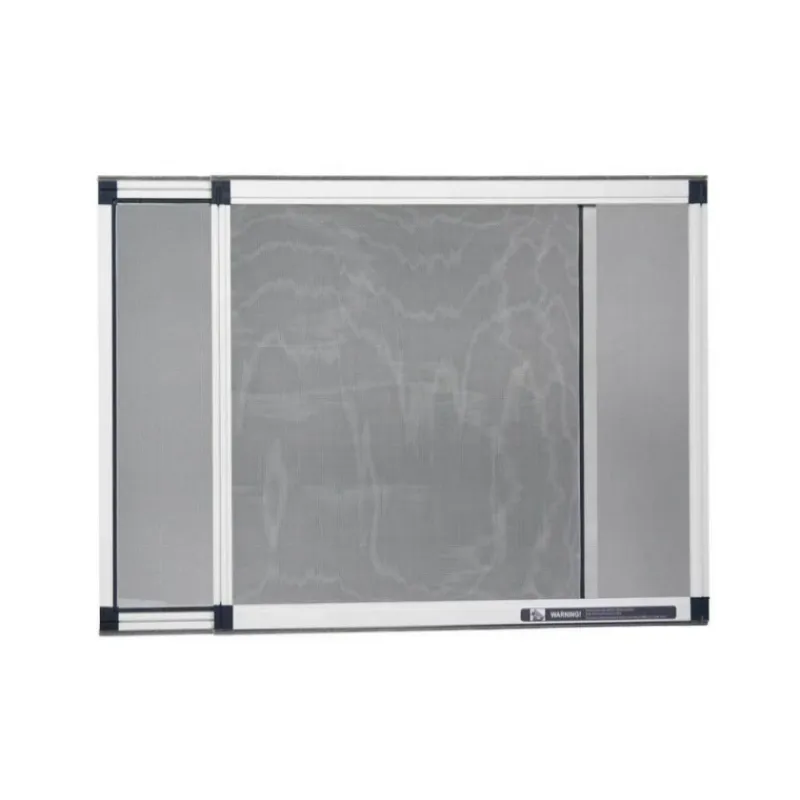
Our sliding screen window solutions are designed with a host of technical advantages that translate directly into operational benefits for various industries and applications. These advantages are a direct result of our commitment to superior materials, advanced engineering, and stringent quality control.
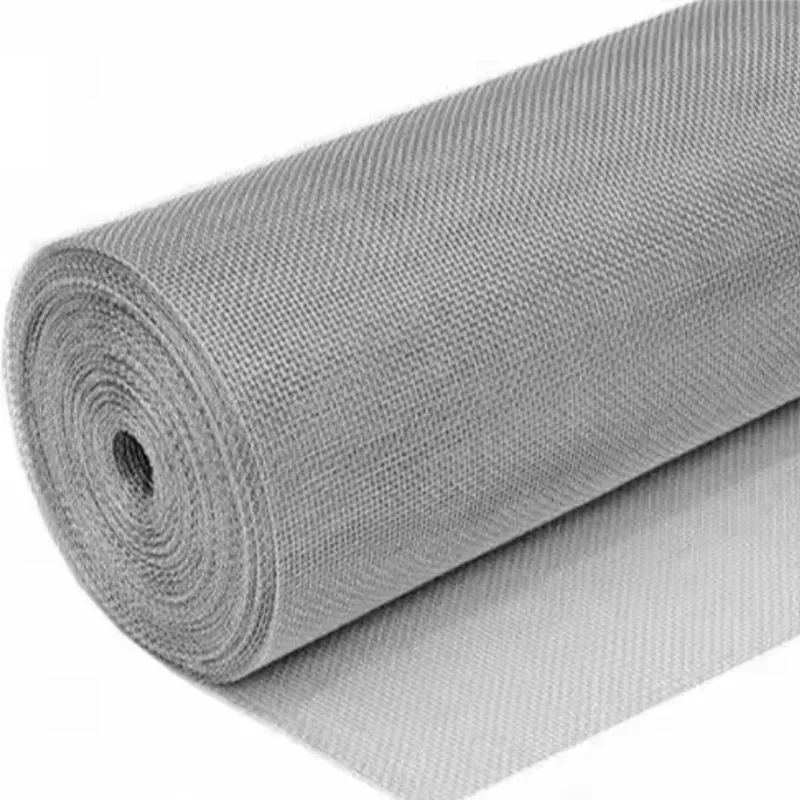
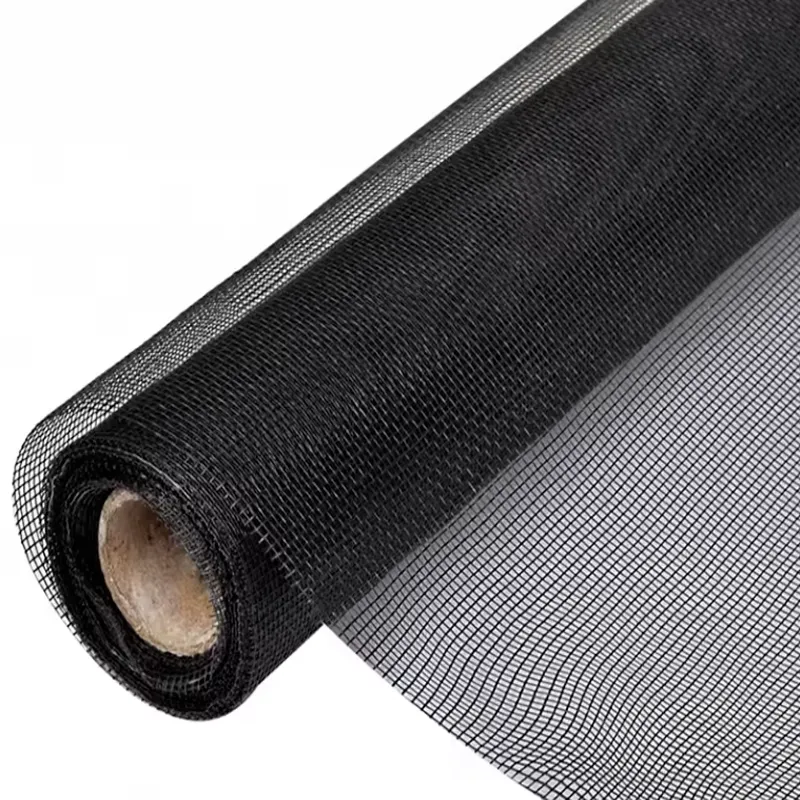
- Exceptional Durability and Longevity: Constructed from robust aluminum alloys and high-grade mesh materials (stainless steel, fiberglass), our screens resist bending, warping, and tearing. The powder-coated finishes on frames provide excellent abrasion and corrosion resistance, significantly extending the service life even in harsh environmental conditions.
- Superior Ventilation and Airflow: Engineered with optimal mesh count and weave patterns, these windows allow for maximum airflow, significantly improving indoor air circulation and comfort. This reduces reliance on air conditioning, contributing to energy savings, especially in climates requiring constant ventilation.
- Advanced Insect and Pest Barrier: The precise mesh aperture of our sliding insect screen window effectively blocks a wide range of insects, including mosquitos, flies, and other common pests, without impeding visibility or airflow. This is crucial for environments requiring high levels of hygiene and comfort.
- Corrosion Resistance: Especially vital in coastal, industrial, or petrochemical environments, our stainless steel mesh options (304, 316 grade) and powder-coated aluminum frames offer outstanding resistance to oxidation, salt spray, and various chemical exposures, ensuring structural integrity and aesthetic appeal for decades.
- Enhanced Security Features: While primarily for insect protection, the robust frame construction and high-strength mesh options can contribute to a secondary layer of security, deterring opportunistic intrusions when integrated with appropriate locking mechanisms.
- Low Maintenance Requirements: The materials and finishes used are inherently resistant to dirt accumulation and are easy to clean, requiring minimal upkeep over their extensive service life, thereby reducing operational costs for commercial and industrial facilities.
- UV Resistance and Optical Clarity: Our specialized fiberglass and stainless steel meshes are treated or inherently designed to resist UV degradation, maintaining their strength and color over time. They also offer excellent optical clarity, preserving views and allowing natural light to penetrate effectively.
Diverse Application Scenarios and Target Industries
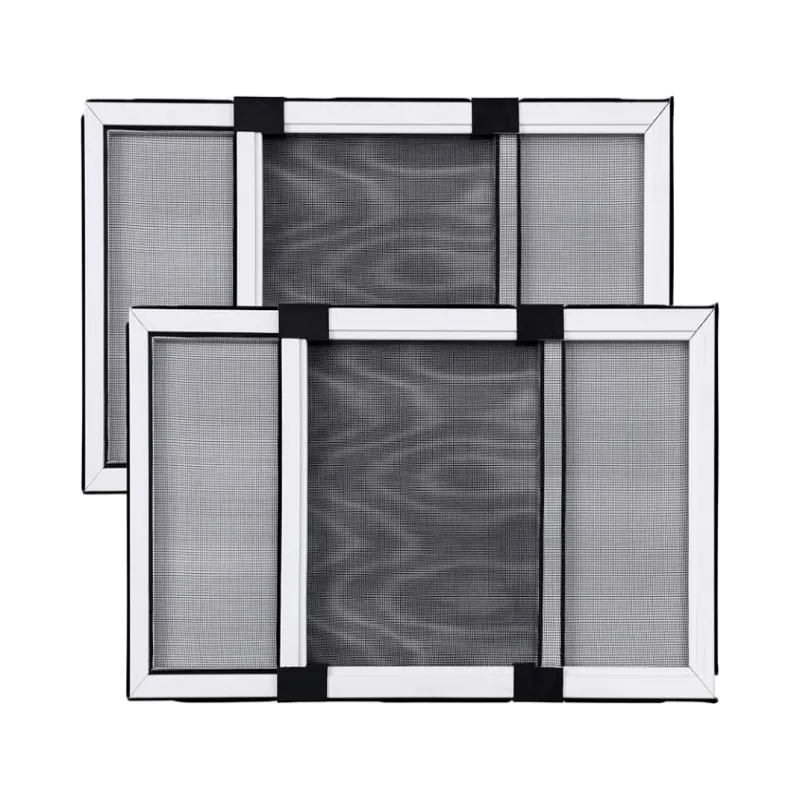
The versatility and robust performance of sliding screen window systems make them indispensable across a wide array of industries and commercial applications. From enhancing comfort in residential complexes to ensuring hygienic conditions in food processing facilities, these systems provide critical environmental control.
- High-Rise Residential and Multi-Family Buildings: Ideal for balconies and large window openings, providing natural ventilation, insect protection, and clear views, especially important in urban environments where fresh air is valued.
- Commercial Office Spaces: Enables tenants to open windows for natural airflow, improving occupant comfort and reducing HVAC load, aligning with green building initiatives.
- Hospitality Sector (Hotels, Resorts): Enhances guest experience by allowing them to enjoy fresh air while keeping insects out, contributing to better energy management by reducing air conditioning use during temperate weather.
- Healthcare Facilities: Critical for areas requiring stringent insect control to maintain sterile environments and prevent the spread of diseases, particularly in warmer climates.
- Petrochemical and Industrial Facilities: Although less common for direct window screening, specialized applications exist where robust, corrosion-resistant sliding net window systems are deployed for machinery enclosures, air intake vents, or secondary barriers in control rooms where ventilation is needed while protecting against debris and larger insects.
- Food Processing and Storage Units: Essential for preventing insect contamination, adhering to strict hygiene regulations (e.g., FDA standards for food contact surfaces or general facility hygiene), and maintaining air quality without compromising natural light or ventilation.
- Educational Institutions: Provides safe ventilation in classrooms and dormitories, improving learning environments and student well-being.
In these diverse settings, the ability of a sliding insect screen window to provide both functional and aesthetic benefits is consistently highlighted. For instance, in coastal regions, the exceptional corrosion resistance of stainless steel mesh options ensures long-term performance against saline environments, while in high-temperature industrial settings, increased airflow can lead to significant energy saving by reducing cooling demands. The robust construction ensures minimal maintenance, a critical factor for large-scale operations.
Customized Solutions and Vendor Comparison
Tailored for Unique Project Requirements
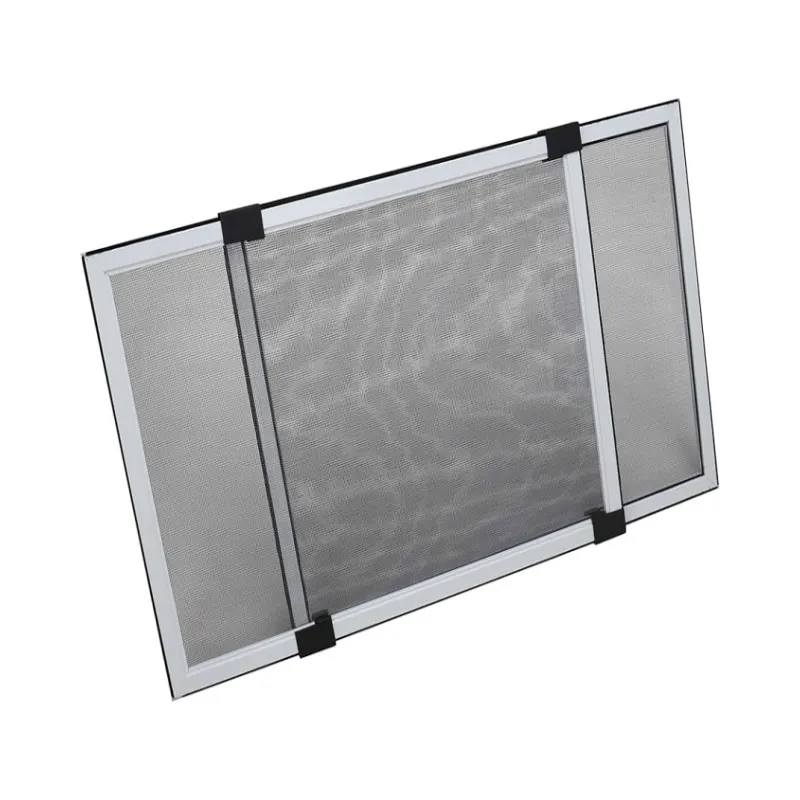
Recognizing that every B2B project has distinct specifications, we specialize in providing highly customized sliding screen window solutions. Our engineering team collaborates closely with architects, contractors, and facility managers to design and manufacture screens that meet precise dimensional, aesthetic, and performance requirements.
- Custom Dimensions and Configurations: From oversized openings to intricate multi-panel systems, we can fabricate screens to virtually any required size and configuration, including corner sliding options.
- Diverse Frame Finishes: Beyond standard white, bronze, or black, we offer a vast palette of powder coat colors (RAL and custom matching), as well as anodized finishes, to integrate seamlessly with specific architectural designs.
- Specialized Mesh Options: We provide a range of mesh materials tailored for specific needs: pet-resistant vinyl-coated polyester, ultra-fine mesh for "no-see-um" insect protection, solar screening to reduce glare and heat gain, and high-visibility meshes for unhindered views.
- Integrated Hardware and Security: Custom hardware options include advanced locking mechanisms, recessed handles, and specific roller types for ultra-smooth operation under varying loads.
- Performance Enhancements: Options for enhanced wind load resistance, hurricane-rated components, and specialized anti-corrosion treatments for extreme environments.
Choosing Your Supplier: A Critical Comparison
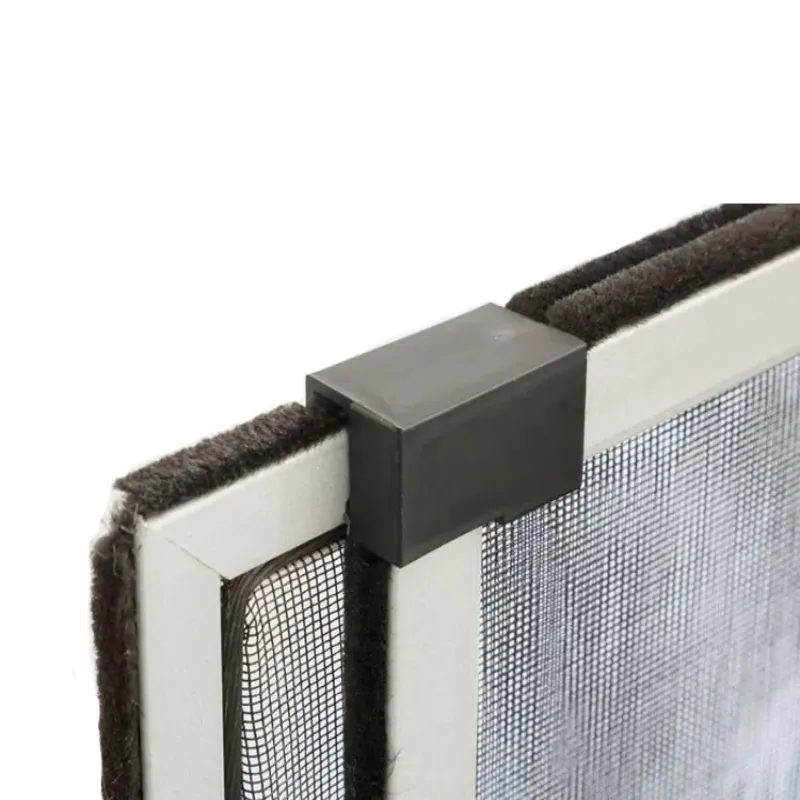
When selecting a vendor for sliding screen window systems, decision-makers must consider several key factors beyond initial cost. The long-term performance, reliability, and support are paramount.
Application Case Studies: Proven Performance
Our commitment to quality and performance is best demonstrated through real-world applications where our sliding screen window systems have delivered exceptional value. These case studies highlight the robustness, adaptability, and long-term benefits of our solutions in demanding environments.
Case Study 1: High-Rise Coastal Residential Tower
A luxury residential tower located on a highly corrosive coastline required robust and aesthetically pleasing screening for its expansive balcony openings. The challenge was to provide a sliding insect screen window that could withstand extreme wind loads, constant salt spray, and intense UV radiation, while offering unobstructed views and seamless operation.
- Solution Implemented: Custom-engineered sliding screen window units with marine-grade 316 stainless steel mesh, paired with heavy-duty aluminum frames finished with a specialized multi-layer powder coating designed for coastal environments. Integrated hurricane-rated hardware and track systems were specified.
- Results: Post-installation, the screens demonstrated exceptional resistance to corrosion, maintaining pristine condition after severe weather events. Residents reported significantly improved comfort and ventilation without insect intrusion, and the aesthetic integrity of the building facade was preserved. The system passed independent wind load testing up to 140 mph.
Case Study 2: Industrial Food Processing Plant
A large-scale food processing facility needed to upgrade its ventilation systems to meet stringent FDA and HACCP standards for insect control, particularly around loading docks and processing areas that required frequent opening. Standard screens proved inadequate against the high traffic and harsh cleaning regimes.
- Solution Implemented: Heavy-duty industrial sliding net window systems were designed with thick-gauge aluminum frames and extra-durable 18x14 stainless steel mesh. The track system was reinforced for continuous heavy use, and all components were selected for ease of cleaning and resistance to industrial detergents.
- Results: The new screens drastically reduced insect entry, contributing to a cleaner, more hygienic processing environment. The robust construction withstood daily impacts and rigorous cleaning protocols, leading to fewer maintenance interventions and a significant reduction in pest control costs, ensuring compliance with food safety regulations.
Commitment to Trust: FAQ, Fulfillment, & Support
Building trust with our B2B partners is paramount. We achieve this through transparent processes, clear commitments, and comprehensive support for every sliding screen window project.
Frequently Asked Questions (FAQ)
Q: What is the typical lead time for a custom sliding screen window order?
A: Lead times vary based on project complexity and order volume. For standard configurations, expect 4-6 weeks from order confirmation to shipment. Custom solutions or large-volume orders may require 8-12 weeks. We provide detailed project timelines upon consultation.
Q: How do your sliding screen windows perform in extreme weather?
A: Our products are engineered for resilience. With options for high-strength mesh and reinforced frames, they are designed to withstand significant wind loads (e.g., up to 120 mph standard, with hurricane-rated options available). Specialized corrosion-resistant finishes protect against salt spray and harsh chemicals.
Q: Are your products environmentally sustainable?
A: We prioritize sustainability. Our aluminum frames are made from largely recycled content and are fully recyclable. The long service life of our products minimizes waste, and their contribution to energy saving by enabling natural ventilation further reduces environmental impact.
Q: What is the maintenance required for your screens?
A: Our screens require minimal maintenance. Periodic cleaning with mild soap and water is recommended to remove dirt and debris. Moving parts (rollers, tracks) can benefit from occasional lubrication with silicone-based sprays to ensure smooth operation.
Lead Time & Fulfillment Details
We understand the critical nature of project timelines. Our robust supply chain and manufacturing capabilities allow us to provide reliable lead times. We offer detailed project scheduling, real-time updates, and flexible shipping options, including LCL and FCL, to meet your specific logistical requirements globally. Our logistics team works diligently to ensure on-time delivery from our ISO-certified facilities.
Comprehensive Warranty Commitments
All our sliding screen window products are backed by a robust warranty to guarantee your investment. We offer a 10-year warranty on aluminum frames against defects in material and workmanship, and a 5-year warranty on mesh materials against manufacturing defects and excessive UV degradation under normal use. Hardware components are covered for 2 years. Full warranty details are provided with every quotation.
Dedicated Customer Support
Our commitment extends beyond delivery. We provide comprehensive after-sales support, including technical assistance for installation, troubleshooting, and maintenance. Our dedicated support team is available via phone, email, and live chat to address any inquiries promptly. We also maintain a comprehensive inventory of spare parts to ensure long-term serviceability of our products.
Authoritative References
- ISO 9001:2015. Quality management systems – Requirements. International Organization for Standardization.
- ANSI/SMA 1004-94. Standard for Sliding Screen Doors. Screen Manufacturers Association.
- ASTM International. Various standards related to aluminum alloys, coatings, and mesh materials (e.g., ASTM B209 for aluminum, ASTM A240 for stainless steel).
- U.S. Environmental Protection Agency (EPA). Building efficiency and indoor air quality guidelines.
- National Fenestration Rating Council (NFRC). Performance rating standards for fenestration products.
Latest news
-
Best Guide to Choose a Screen Door for Sliding Door for Your Home
NewsApr.16,2026 -
The Ultimate Guide to Choosing a screen door for a sliding door
NewsApr.09,2026 -
Choosing the Perfect Patio Sliding Screen Door for Your Home
NewsApr.07,2026 -
Choosing the Best Patio Screen Door with Frame for Your Home and Lifestyle
NewsApr.04,2026 -
Comprehensive Guide to Net Sliding Door Price Factors and Options
NewsMar.31,2026 -
Enhance Your Outdoor Space with a Durable Net Sliding Door for Balcony
NewsMar.28,2026 -
Discover the Benefits of Net Door Sliding Systems for Modern Homes
NewsMar.26,2026