

Dec . 01, 2025 07:30 Back to list
Protect Your Sleep and Health with White Net Canopy for Bed – Global Solutions and Innovations
Why a White Net Canopy for Bed Still Matters More Than You Think
A white net canopy for bed might sound like a simple bedroom luxury or an aesthetic choice from a bygone era, but its significance goes far beyond decoration. Globally, it addresses real challenges—such as protection from disease-carrying mosquitoes—and touches on public health, comfort, and dignity. Understanding this seemingly modest item is important not only for comfort but also for its role in reducing vector-borne diseases in vulnerable regions. More than just fabric draped over a frame, it’s an integral safety barrier that supports wellbeing worldwide.Introduction: White Net Canopies in a Global Context
Did you know that malaria alone infected over 200 million people worldwide in 2022, according to the WHO? Yet, something as simple as a bed net can drastically reduce infection rates with minimal cost. The UN and WHO have long recommended insecticide-treated nets as a frontline defense in malaria-prone regions. Beyond health emergencies, white net canopies are part of basic humanitarian relief kits distributed globally. Their deployment isn’t just emergency-driven—many households in tropical climates live by them nightly. But here’s the rub: not every net canopy is equal. Quality, mesh size, size, and material affect real-world performance. So, while a “white net canopy for bed” might seem one-size-fits-all, the challenges in production, distribution, and durability are complex. This subtle product plays a surprisingly crucial role against a backdrop of global health challenges and climate factors influencing disease spread.So, What Exactly Is a White Net Canopy for Bed?
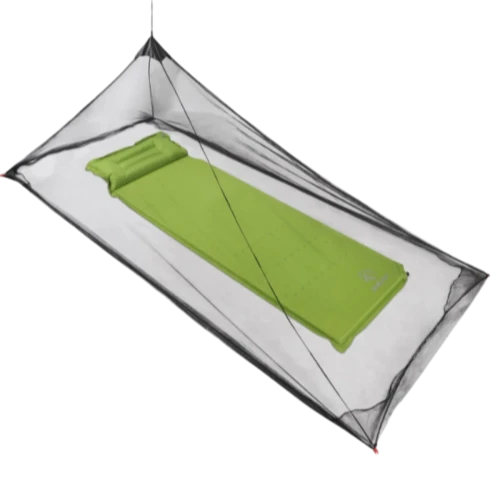
Simply put, a white net canopy for bed is a fine-meshed fabric made primarily from polyester, nylon, or cotton, designed to envelop a bed completely. The key purpose? To block mosquitoes and other insects from biting sleepers. Unlike decorative drapes or thick curtains, its mesh is fine enough to keep tiny pests out but breathable enough to allow air flow. Industrially, this product is connected to public health initiatives and humanitarian aid. It’s a low-tech but high-impact solution bridging gaps between science, sustainability, and daily protection. Its design often integrates with simple frames or hoops to suspend above beds, making it practical in both permanent homes and temporary shelters.Key Factors Defining the Ideal White Net Canopy for Bed
1. Mesh Size and Fabric Quality
The fine weave is critical. Typically, mesh sizing is around 156 holes per square inch — sufficient to exclude mosquitoes but not overly dense to block ventilation. Materials like polyester are preferred for durability and resistance to humidity and wear.2. Durability and Treatment
Many nets are treated with insecticides—such as permethrin—to enhance protection. Treated nets can maintain effectiveness for up to 6 months to a year, depending on use. Untreated nets lose effectiveness simply by degrading or tearing.3. Ease of Deployment and Fit
A white net canopy for bed should be easy to set up. Designs often include simple hoop frames or hanging tabs. The shape and size must accommodate different bed sizes—single to queen—with enough length to tuck under mattresses.4. Cost Efficiency and Accessibility
Given their critical public health role, affordability is key. Many organizations source these nets en masse, balancing cost with quality to maximize outreach without sacrificing usability.5. Portability and Maintenance
Especially in post-disaster or mobile contexts, easy folding and washing matter. Nets that can be compactly packed, yet strong enough to withstand repeated use, fare better in the field.Mini Takeaway:
It’s not just “net” — it’s a blend of material science, design engineering, and logistics. These factors turn simple fabric into protective armor lying over a bed.Global Applications: Beyond the Bedroom
White net canopies for bed ripple out from homes and health clinics into a variety of scenes worldwide: - Tropical and Subtropical Regions: In countries across sub-Saharan Africa and Southeast Asia, these nets are frontline defenses against malaria and dengue. - Humanitarian Relief Efforts: Following natural disasters—like floods or cyclones—agencies distribute white net canopies to displaced persons living in makeshift shelters. - Remote Industrial Zones and Research Stations: Workers in tropical forestry outposts or field researchers rely on net canopies to avoid insect-borne illnesses. - Hospital Use: Certain wards use nets to protect vulnerable patients from potential infections. Consider the example of Mozambique after Cyclone Idai in 2019: humanitarian groups supplied millions of these nets to prevent disease outbreaks in flooded camps. This intervention is credited with containing secondary malaria spikes.Advantages and Long-Term Value of White Net Canopies
The benefits stack up, and not just on paper: - Health Impact: Reduces disease transmission fundamentally. - Cost-Effectiveness: Compared to medical treatment, the cost per net is minimal with outsized returns. - Sustainability: Many modern nets use recyclable or longer-lasting materials, supported by ISO standards (ISO 10993). - Dignity and Comfort: Provides a psychological sense of safety and a physical barrier with minimal intrusion. - Trust and Innovation: Ongoing improvements in fabric technology maintain trust among frontline health workers and users.Product Specification Table
| Feature | Specification | Remarks |
|---|---|---|
| Material | Polyester (100%) | Lightweight, durable |
| Mesh Size | 156 holes per sq inch (approx.) | Effective against mosquitoes |
| Dimensions | 200cm x 180cm x 150cm | Fits queen bed |
| Treatment | Permethrin insecticide | Long-lasting (6-12 months) |
| Setup | Hoop frame / hanging tabs | Quick & user-friendly |
| Weight | ~300 grams | Portable, easy to pack |
Vendor Comparison: Choosing the Right Supplier
| Vendor | Price per unit (USD) | Insecticide Treatment | Certifications | Bulk Order MOQ |
|---|---|---|---|---|
| GlobalNets Ltd. | $4.50 | Yes (Permethrin) | ISO 9001, WHO GMP | 10,000 units |
| NetCare Solutions | $3.95 | No (Untreated) | ISO 14001 | 5,000 units |
| SafeSleep Corp. | $5.10 | Yes (Deltamethrin) | ISO 9001, OEKO-TEX | 8,000 units |
Future Trends & Innovations in Bed Canopies
Innovations are shaping the future of net canopies in surprising ways. Some manufacturers are experimenting with biodegradable materials to reduce environmental impact, responding to global sustainability mandates like the UN SDGs. At the same time, nano-coatings promise even longer-lasting insecticidal effects. Automated manufacturing—including robotics—improves mesh consistency and speeds production. Digitally enhanced supply chains are enabling faster delivery to remote areas. Oddly enough, some designers are pairing aesthetics and function—adding subtle LED lighting or integrating soundproofing fabric layers to create multi-use protective canopies. It sounds niche but imagine a mosquito-proof cocoon with softly glowing edges in a remote field hospital...Challenges and Solutions
Despite its seeming simplicity, challenges exist: - Durability vs. Cost: High quality insecticidal nets cost more, limiting distribution. - Wear and Tear: Nets get holes or degrade, reducing effectiveness. - User Compliance: Ensuring people actually sleep under the net every night is tricky. - Environmental Impact: Disposal of treated nets requires careful protocols. Solutions lie in innovation (stronger, eco-friendly fibers), education campaigns to increase usage consistency, and modular designs to improve repairability. Many NGOs follow ISO guidelines and apply innovative sensor tech for impact monitoring.FAQ: Frequently Asked Questions About White Net Canopy for Bed
- Q: How often should a white net canopy be replaced?
A: Generally, treated nets last 6–12 months, untreated slightly less. Replacement depends on wear and insecticide loss; regular inspections are recommended. - Q: Can white net canopies be washed without losing protection?
A: Yes, but with care. Washing frequency and method affect insecticide retention—hand washing with mild detergent and air drying extend lifespan. - Q: Are all white net canopies treated with insecticide?
A: No, some are untreated for consumer preferences or cost reasons. Treated nets offer added protection against mosquitoes. - Q: How do I ensure the canopy fits my bed?
A: Measure your bed dimensions and check product specs carefully. Some designs are adjustable or come in multiple sizes — single, double, queen. - Q: Are white net canopies effective against all insect types?
A: Primarily designed against mosquitoes and similar pests; larger bugs are generally kept out too, but extremely small insects might occasionally penetrate.
Conclusion: White Net Canopy for Bed – Small Item, Big Impact
It might be tempting to overlook the charm and practicality of a white net canopy for bed amid the multitude of modern health technologies. But its simplicity masks a profound global impact—from reducing malaria to providing comfort in crisis zones. When thoughtfully designed and properly used, it’s an elegant solution bridging humanitarian needs with innovation. For those seeking quality products or more info, check out white net canopy for bed. Protecting rest means protecting lives.References:

Latest news
-
Best Guide to Choose a Screen Door for Sliding Door for Your Home
NewsApr.16,2026 -
The Ultimate Guide to Choosing a screen door for a sliding door
NewsApr.09,2026 -
Choosing the Perfect Patio Sliding Screen Door for Your Home
NewsApr.07,2026 -
Choosing the Best Patio Screen Door with Frame for Your Home and Lifestyle
NewsApr.04,2026 -
Comprehensive Guide to Net Sliding Door Price Factors and Options
NewsMar.31,2026 -
Enhance Your Outdoor Space with a Durable Net Sliding Door for Balcony
NewsMar.28,2026 -
Discover the Benefits of Net Door Sliding Systems for Modern Homes
NewsMar.26,2026