

Dec . 03, 2025 17:52 Back to list
Retractable Roll Up Screen Door: A Practical Guide to Modern Screen Solutions
Understanding Retractable Roll Up Screen Doors: Innovation at Your Doorstep
You might not give much thought to the humble door screen, but retractable roll up screen doors are quietly revolutionizing how we connect indoor comfort with outdoor freshness. Around the world, these efficient devices help curb air conditioning costs, keep bugs at bay, and adapt to a variety of living and working environments. Why does this matter? Well, as urban spaces get denser and people seek greener, more flexible homes and offices, these screens offer a smart, practical solution that blends effortless design with real-world benefits.
Global Context: Why the Retractable Roll Up Screen Door Matters
Globally, energy consumption for cooling and ventilation makes up a significant chunk of residential and commercial energy use — estimates by the International Energy Agency (IEA) put it at roughly 15% of overall building energy. Introducing barriers against insects while maximizing airflow helps lessen reliance on energy-hungry air conditioners. Moreover, according to the United Nations Environment Programme (UNEP), promoting sustainable, affordable building components is key to combating urban heat islands and controlling energy demand. Retractable roll up screen doors, with their blend of tech and usability, fit right into these global goals. Imagine how many homes from sunny California to humid Southeast Asia could benefit.
The challenge? Traditional fixed screens aren't always convenient or visually appealing, leading users to remove or avoid them altogether. That’s where the retractable design truly shines.
Mini Takeaway: Retractable roll up screen doors address global energy and comfort challenges by combining innovation with ecological sensitivity.
What Exactly Is a Retractable Roll Up Screen Door?
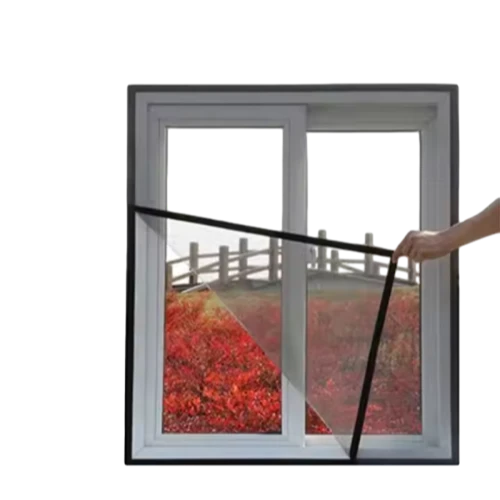
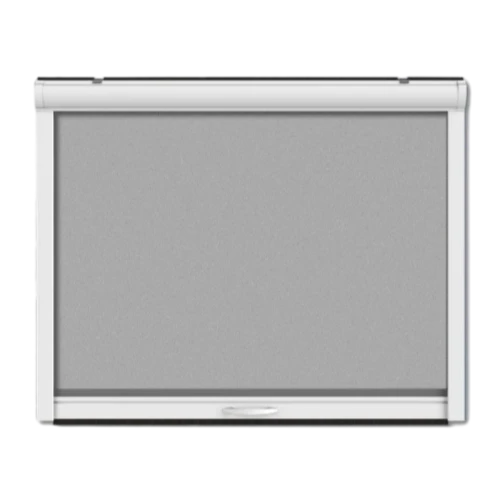
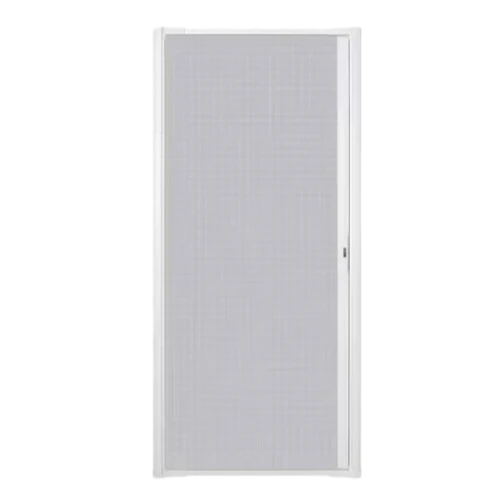
Simply put, a retractable roll up screen door is a screen that rolls up neatly into a slim housing when not in use, rather than being fixed in place. This allows users to seamlessly open up their doorways to fresh air without worrying about insects crawling in, while also preserving the aesthetics of the space. These doors often use durable mesh materials combined with tension springs or magnetic closures to guarantee smooth operation.
They’re part of a larger movement towards adaptable architecture and nature-friendly living spaces. In industries ranging from hospitality to healthcare, maintaining indoor air quality and keeping contaminants out is critical — making these screens more than just a convenience.
Key Components and Their Importance
Durability
Given the constant exposure to sun, wind, and sometimes even rain, the mesh and housing need to be resilient. Manufacturers typically use fiberglass or stainless steel mesh for longevity. This guarantees that the screen won’t sag or tear, even after years of use.
Ease of Operation
Unlike fixed screens, the retractable roll up design leverages spring-loaded rollers or pulley mechanisms to ensure smooth, effortless opening and closing. It’s about convenience. You don’t want to wrestle a screen door after a long day.
Compatibility & Installation
These doors come in various widths and heights to fit different door frames, and they’re designed for relatively straightforward installation — a big plus for home DIYers or businesses seeking quick upgrades.
Aesthetics & Customization
The screen casing often blends with the doorframe in sleek colors and finishes. Manufacturers also offer different mesh options depending on privacy and insect protection needs.
Global Applications & Real-World Use Cases
The versatility of retractable roll up screen doors is really something. In the hospitality industry — think beachfront resorts or outdoor cafes across Mediterranean Europe — they create an airy experience while keeping the area mosquito-free. In the US and Australian residential sectors, their popularity is soaring in urban homes with patios.
Humanitarian organizations value these screens in post-disaster temporary shelters where ventilation and insect control reduce the spread of illness — especially in tropical climates. In industrial zones, they help keep dust and insects out without needing complex HVAC upgrades.
One interesting use case comes from Japan’s remote community centers, where retractable screens allow spaces to open up for natural breeze during the hot summers but keep pests and pollen out.
Advantages and Long-Term Value
The benefits are both practical and emotional. Think substantial energy savings, nicer airflow, and less chemical insecticides indoors. Homeowners often remark on the enhanced feeling of openness without unwanted bugs sneaking in. Safety-wise, these doors help keep young children from accidentally running outside or critters inside, while giving pet owners peace of mind.
Frankly, there’s also a subtle dignity to having a clean, sleek screen that disappears when you want it to — no clunky metal bars or permanent barriers. Plus, choosing recyclable materials means a greener footprint.
Looking Ahead: Future Innovations
The horizon is bright for retractable roll up screen doors. Advanced materials that self-clean or resist biofouling are in development. Integration with smart home systems to automatically deploy or retract based on weather or time of day is already starting to appear. And renewable coatings that reduce heat absorption help lower urban heat effects.
Moreover, as governments tighten building codes to demand better environmental performance (ISO 16813 is relevant here), these screens are becoming part of standard architectural blueprints rather than luxury add-ons.
Challenges and Expert Solutions
Naturally, there are some hurdles. Retractable screens can sometimes jam or wear out springs over time — especially in heavy-use commercial settings. Dust and debris can accumulate in the rollers, making maintenance necessary. But manufacturers recommend annual cleaning and professional tuneups, which vastly extend lifespan. Also, the quality of installation is critical, so it helps to hire experienced installers — though many brands offer DIY kits too.
FAQs About Retractable Roll Up Screen Doors
- Q: How easy is it to install a retractable roll up screen door myself?
A: Most models come with installation guides and pre-drilled mounting hardware. If you’re handy with basic tools, it’s often doable in under an hour, though complex door frames might require professional help. - Q: Can these screens be used on sliding doors?
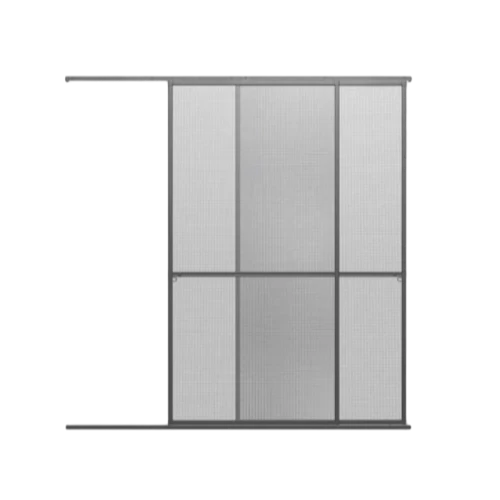
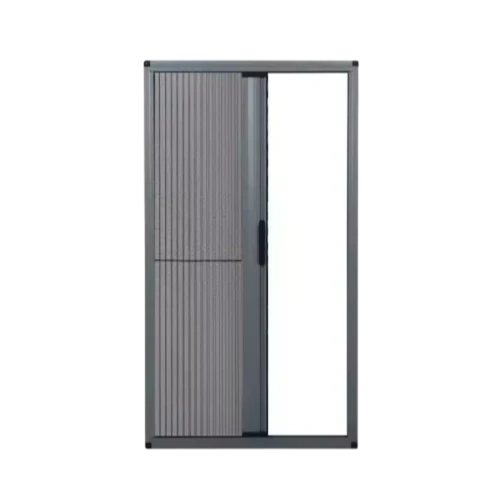
A: Yes, many retractable screens are specifically designed for sliding doors, allowing smooth operation without interfering with door function. - Q: How do retractable screens hold up in windy conditions?
A: High-quality screens with secure magnetic closures and tension springs can withstand moderate winds, but extreme gusts may damage them if left extended. - Q: Are there mesh options that block pollen or allergens?
A: Certain fine-mesh options are available to reduce pollen ingress, which can benefit allergy sufferers. - Q: What maintenance does a retractable roll up screen door require?
A: Simple cleaning of the mesh and casing periodically, plus lubrication of moving parts, is usually sufficient to keep them in good working order.
Vendor Comparison: Top Retractable Roll Up Screen Door Providers
| Vendor | Material Quality | Customization Options | Price Range | Customer Support |
|---|---|---|---|---|
| ScreenMaster™ | High-grade fiberglass mesh | Wide color/pattern options | $$$ | 24/7 Support |
| RetractPro | Stainless steel mesh (optional) | Custom sizing & installation | $$ | Business hours only |
| EcoScreen Solutions | Eco-friendly composite mesh | Limited colors, eco packages | $$ | Online chat support |
It’s funny how something so simple can make such a real difference — sort of the little things adding up in the best way.
References
Latest news
-
Best Guide to Choose a Screen Door for Sliding Door for Your Home
NewsApr.16,2026 -
The Ultimate Guide to Choosing a screen door for a sliding door
NewsApr.09,2026 -
Choosing the Perfect Patio Sliding Screen Door for Your Home
NewsApr.07,2026 -
Choosing the Best Patio Screen Door with Frame for Your Home and Lifestyle
NewsApr.04,2026 -
Comprehensive Guide to Net Sliding Door Price Factors and Options
NewsMar.31,2026 -
Enhance Your Outdoor Space with a Durable Net Sliding Door for Balcony
NewsMar.28,2026 -
Discover the Benefits of Net Door Sliding Systems for Modern Homes
NewsMar.26,2026