

Oct . 23, 2025 17:15 Back to list
Roller Mosquito Screen - Retractable, DIY, Custom Fit
Roller Mosquito Screen Market Deep-Dive: Specs, Trends, and Real-World Lessons
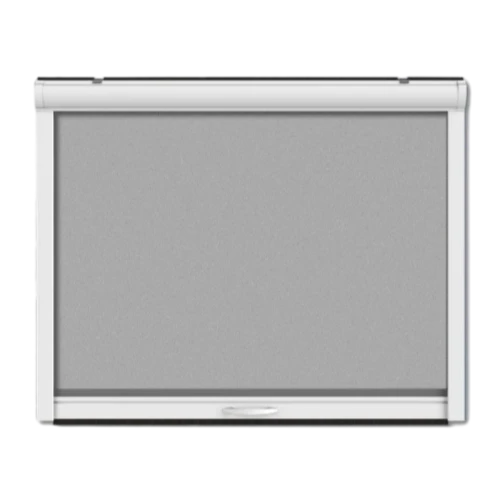
If you’ve ever cracked a window and invited a cloud of gnats in (been there), you’ll appreciate how a Roller Mosquito Screen solves the problem with zero fuss. In fact, the category is quietly booming as heat waves nudge buildings toward natural ventilation and lower HVAC loads.
What it is (and where it’s made)
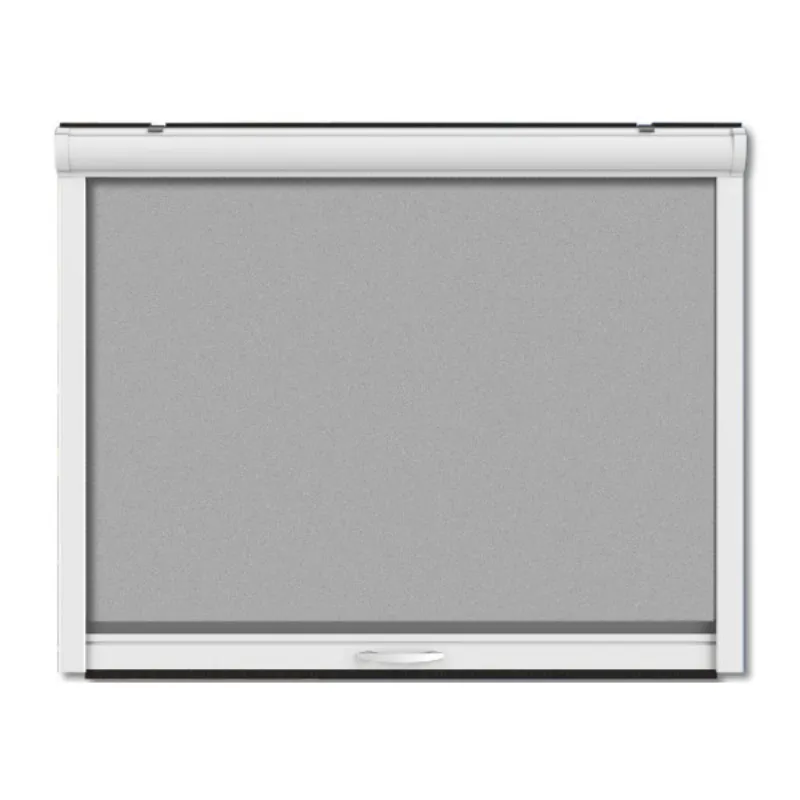
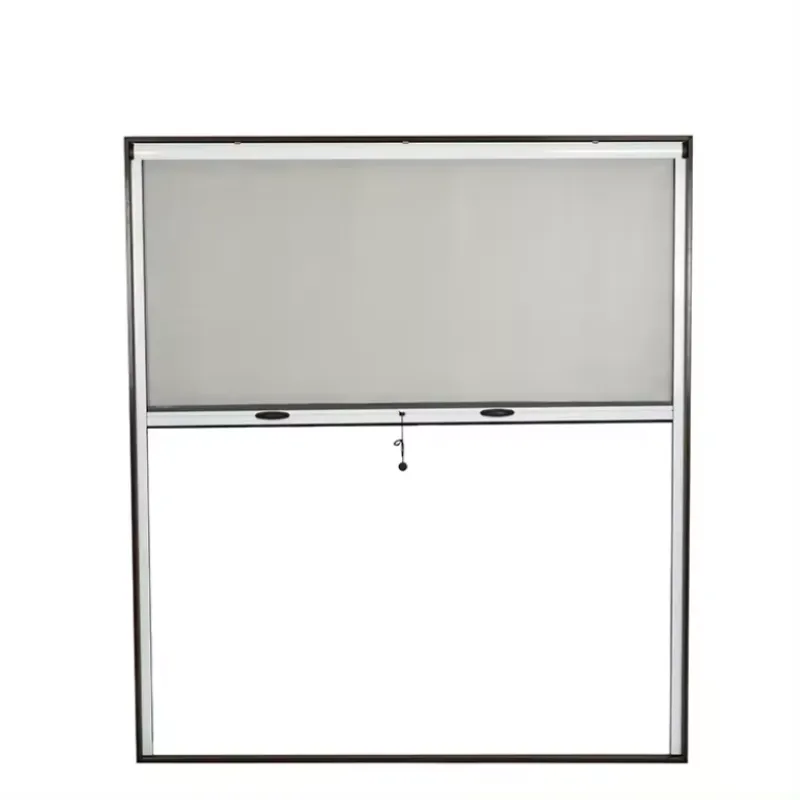
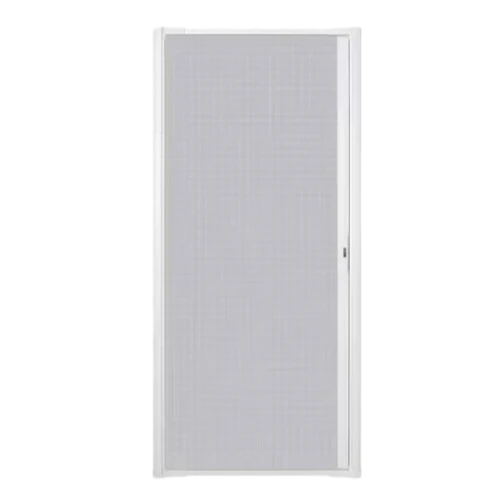
The “Roller Screen Window” is a retractable system: mesh rolls into a slim cassette when not in use; pulls down cleanly when you want fresh air without pests. Origin: Room710, Fangrun business buliding, No29 xisanzhuang street shijiazhuang city, hebei province China. Many customers say they like the “disappear when not needed” aesthetic—no clunky fixed frames.
Product specifications (core model)
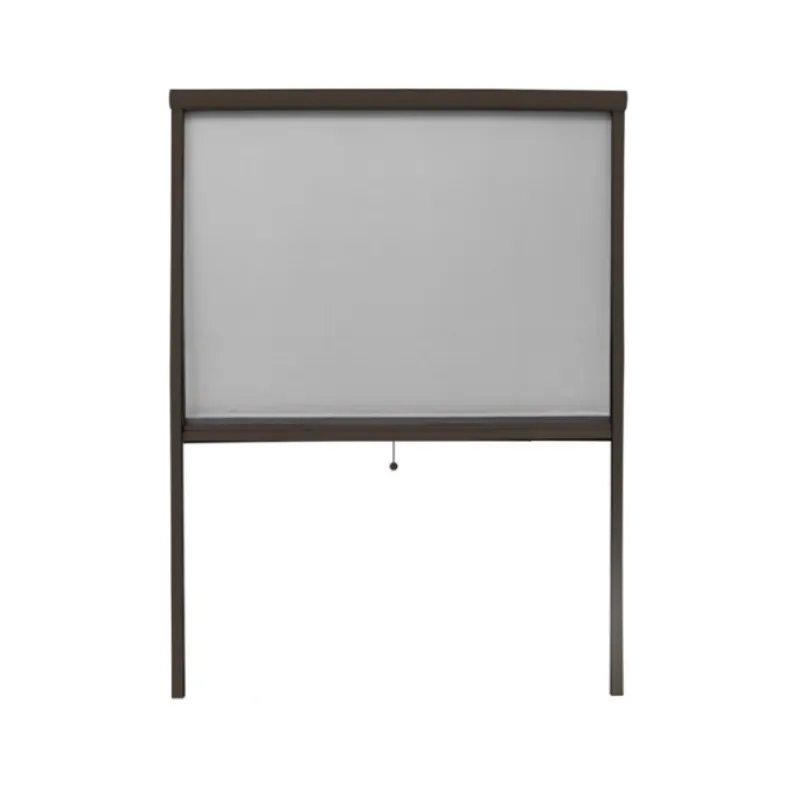
| Frame | 6063‑T5 aluminum, powder-coated (matte white/grey/black) |
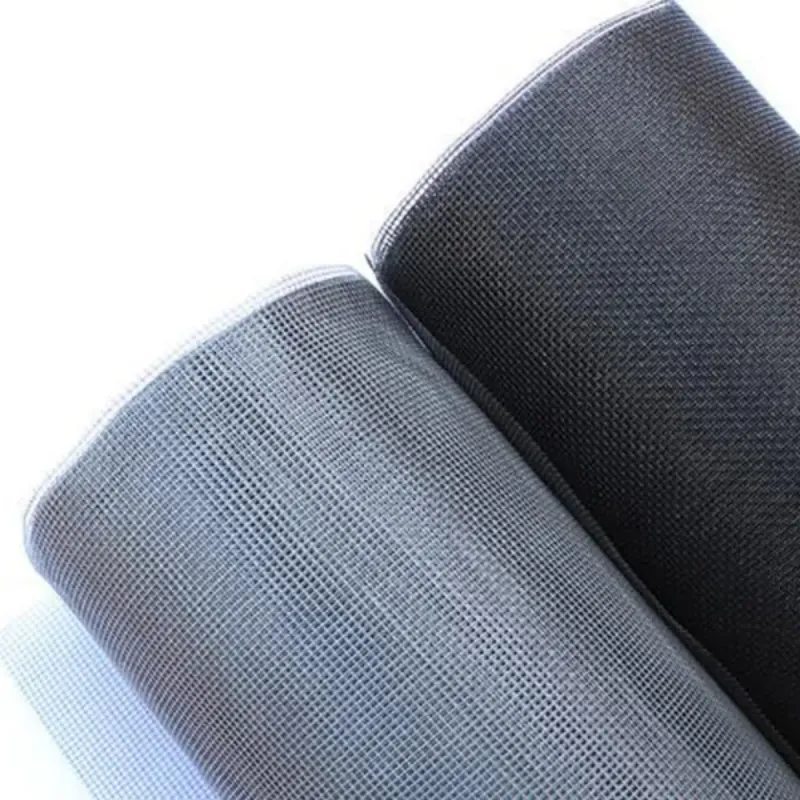
| Mesh options | Fiberglass 18×16; Pet‑resistant PET; 304 SS fine mesh for high-durability |
| Cassette size | ≈45–55 mm (depends on width/mesh thickness) |
| Max size | Width ≈1600–1800 mm; Height ≈2200 mm (real‑world use may vary) |
| Drive | Pre‑tensioned spring roller with soft close guide |
| Sealing | Pile brush + bottom rail magnetic latch |
| Airflow | Up to ≈60–70% open area (mesh dependent) |
| Service life | Cycle tested ≈20,000–50,000 pulls; UV/salt-mist tested meshes available |
| Compliance | RoHS/REACH materials; factory ISO 9001 typical |
Process flow and testing
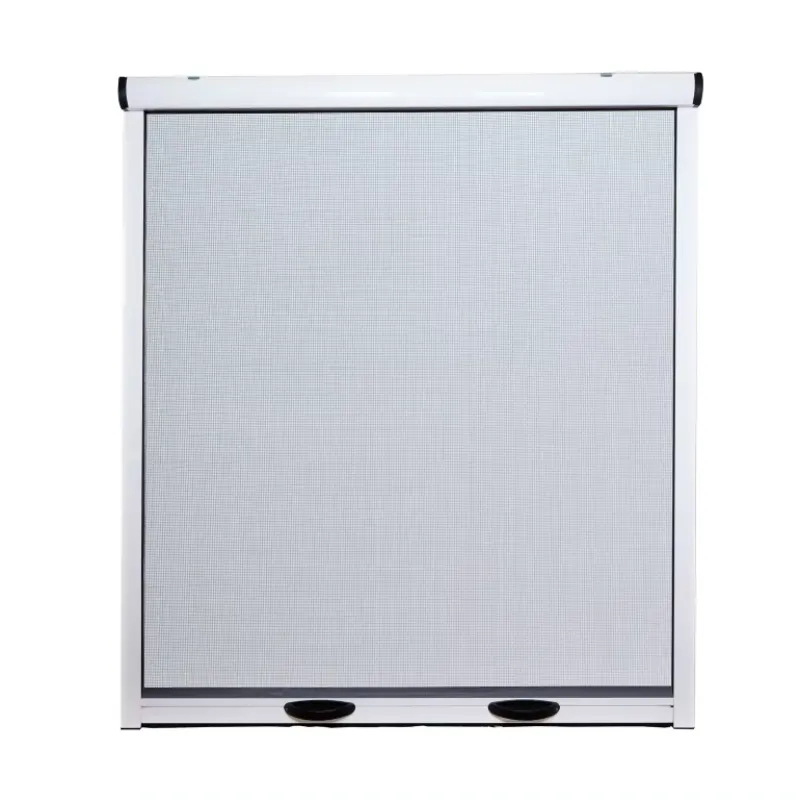
Materials: aluminum extrusion → cutting → corner crimping; mesh weaving/coating → lamination (if pet-grade); assembly → QC. Methods: powder coating (60–80 μm), anti-corrosion pretreat; balanced spring calibration. Testing: air leakage per ASTM E283; UV resistance per ISO 4892‑2; salt spray ASTM B117 for coastal kits; abrasion on pet mesh; cycle pulls on rigs. To be honest, the better units hold tension evenly—cheap ones chatter after a season.
Indicative data: UV exposure 500 h with ΔE50 N; brush wear
Where it’s used
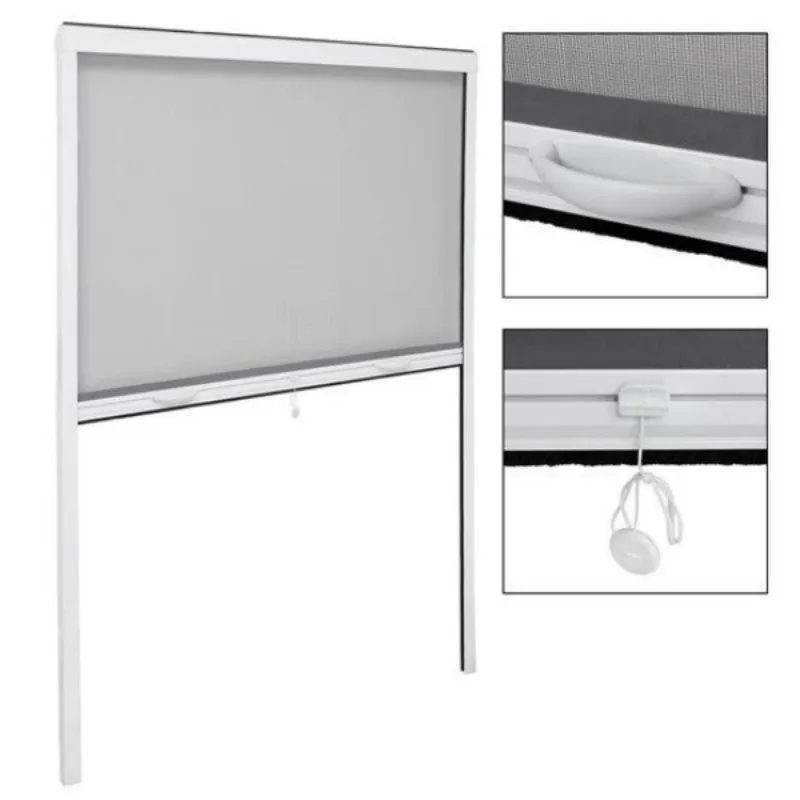
Homes and rentals (retrofits), hospitals (vent mode without insects), schools, coastal apartments, food plants (QC-approved zones), and boutique hotels that want cross‑breeze without bugs. The key advantages of a Roller Mosquito Screen: invisible when retracted, safer than outward-swinging panels, and easy DIY servicing.
Vendor snapshot (field-notes)
| Vendor | Max width | Mesh choices | Certs | Lead time | Notes |
|---|---|---|---|---|---|
| CRScreen (Hebei) | ≈1.8 m | Fiberglass, PET, 304 SS | ISO 9001, RoHS/REACH | 15–25 days | OEM/ODM, stable QC |
| Local aluminum shop | ≈1.4–1.6 m | Mostly fiberglass | Varies | 3–10 days | Fast, fewer options |
| Marketplace brand | ≈1.2–1.5 m | Fiberglass | Claimed only | Stock/unknown | Budget, watch warranties |
Customization and feedback
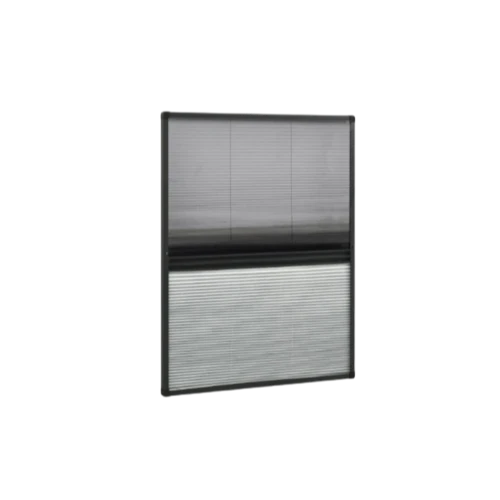
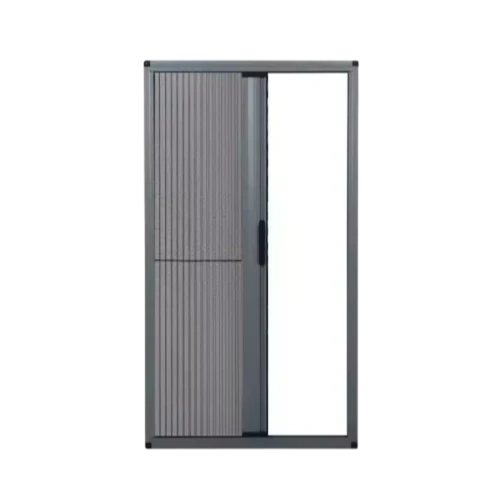
Custom sizes, cassette profiles (square/rounded), colors, soft-close rates, and mesh types (pet-proof, anti‑pollen, stainless) are common. Surprisingly, renters like magnetic bottom rails—they’re forgiving. Recent feedback: smoother pull after 6 months, “no slap-back,” and fewer jams on windy balconies with side guides. A Roller Mosquito Screen with stainless mesh shines in kitchens and coastal homes.
Mini case studies
- Hotel retrofit, South China: 68 rooms, mixed fiberglass/pet mesh; measured ≈18% HVAC runtime reduction during mild season (manager’s logs; conditions vary).
- Food packing line: stainless mesh variant, weekly washdowns; no corrosion after 9 months; latch kept seal against fruit flies—QA happy.
Industry trendline
Expect more low‑profile cassettes, anti‑pollen meshes, and child‑safe slow-return springs. Codes increasingly reward natural ventilation—good news for the Roller Mosquito Screen segment.
Citations
- ASTM E283 – Determining Rate of Air Leakage Through Exterior Windows and Doors.
- ISO 4892‑2 – Plastics: Methods of exposure to laboratory light sources (UV).
- ASTM B117 – Standard Practice for Operating Salt Spray (Fog) Apparatus.
- ISO 9001 – Quality management systems (manufacturing conformance).

Latest news
-
Best Guide to Choose a Screen Door for Sliding Door for Your Home
NewsApr.16,2026 -
The Ultimate Guide to Choosing a screen door for a sliding door
NewsApr.09,2026 -
Choosing the Perfect Patio Sliding Screen Door for Your Home
NewsApr.07,2026 -
Choosing the Best Patio Screen Door with Frame for Your Home and Lifestyle
NewsApr.04,2026 -
Comprehensive Guide to Net Sliding Door Price Factors and Options
NewsMar.31,2026 -
Enhance Your Outdoor Space with a Durable Net Sliding Door for Balcony
NewsMar.28,2026 -
Discover the Benefits of Net Door Sliding Systems for Modern Homes
NewsMar.26,2026