
Oct . 21, 2025 14:15 Back to list
Roller Mosquito Screen: Retractable, Easy Install, Durable
Field Notes on a Quiet Upgrade: Roller Mosquito Screen
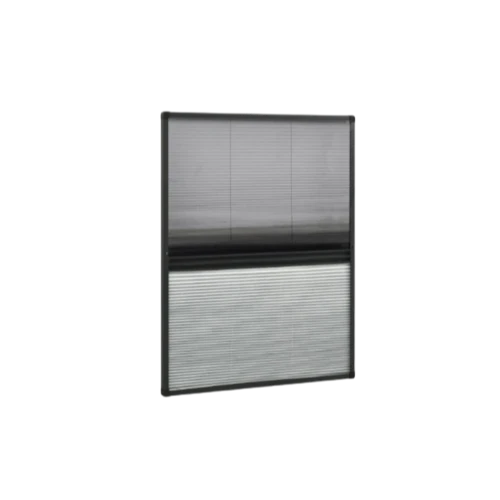
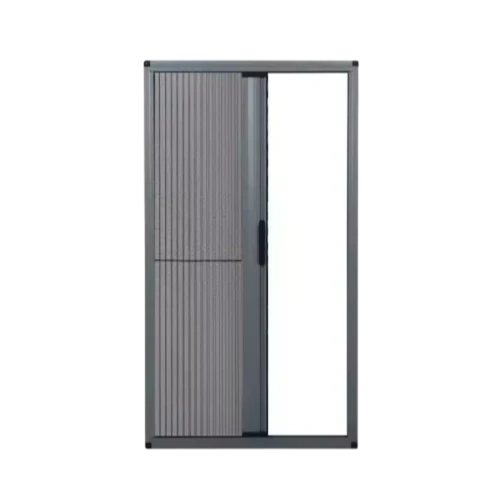
I’ve been covering fenestration for a decade and, to be honest, the least glamorous upgrades often deliver the largest day-to-day wins. Case in point: the roller screen window—low-profile, but a genuine quality-of-life tweak that keeps air moving and insects out. We recently looked at a batch from CR Screen (Origin: Room710, Fangrun business building, No29 Xisanzhuang St, Shijiazhuang, Hebei, China) and the market signals are—surprisingly—quite strong.
What’s driving the trend
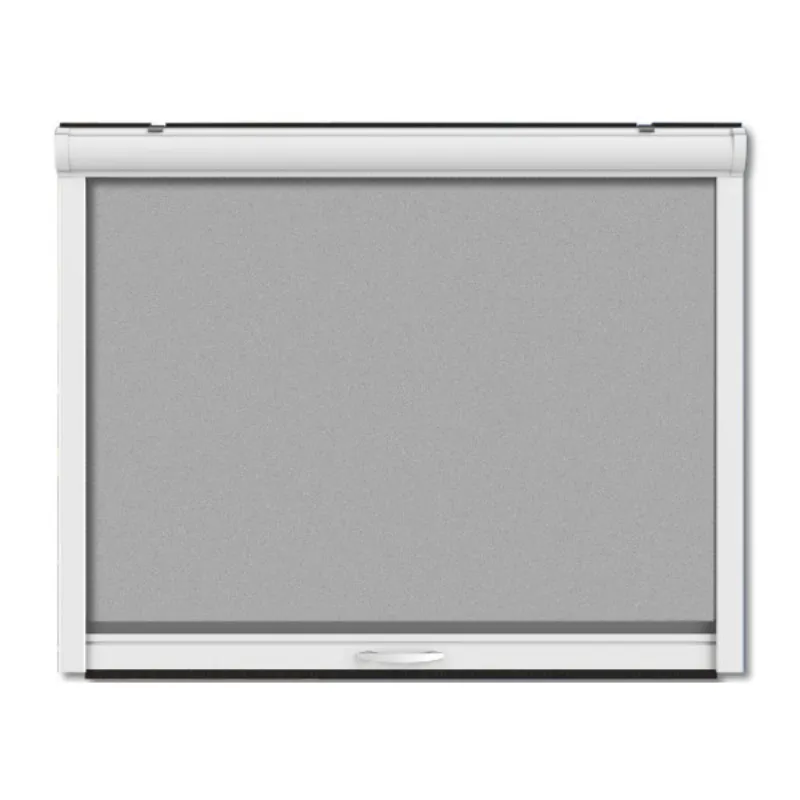
Urban heat, tighter building envelopes, and…mosquitoes. Builders tell me demand for Roller Mosquito Screen systems is up because people want natural ventilation without the pests (and with cleaner lines than hinged screens). Retrofits are easy, and the housings vanish into the frame—designers like that. Hospitality and healthcare facilities also lean in for hygiene and comfort.
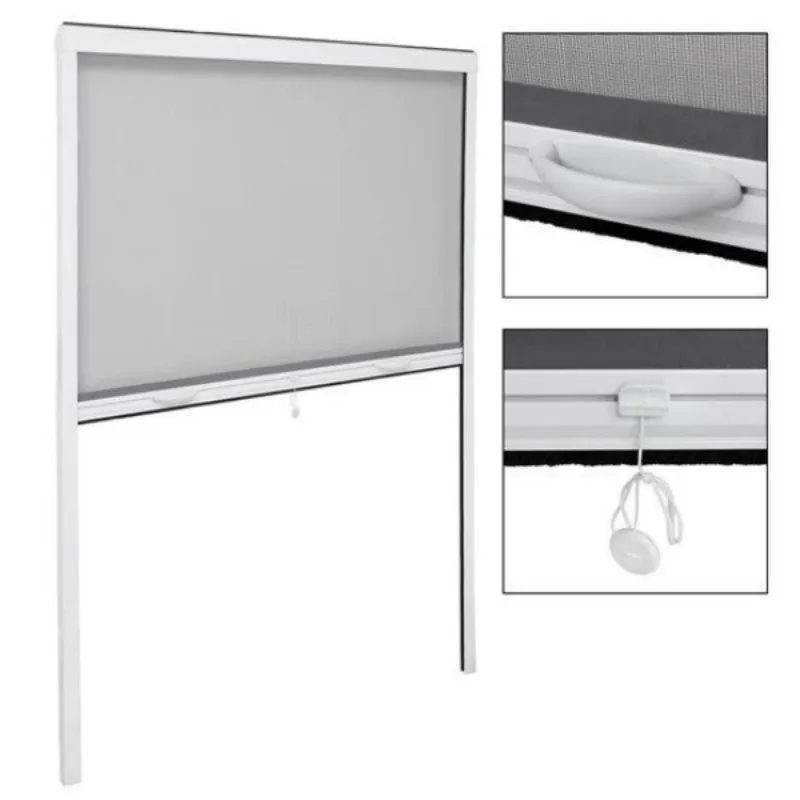
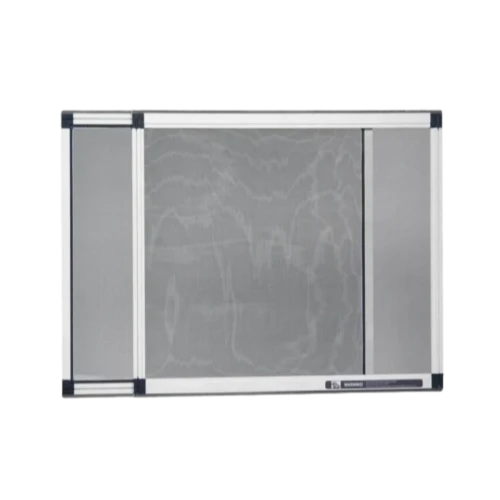
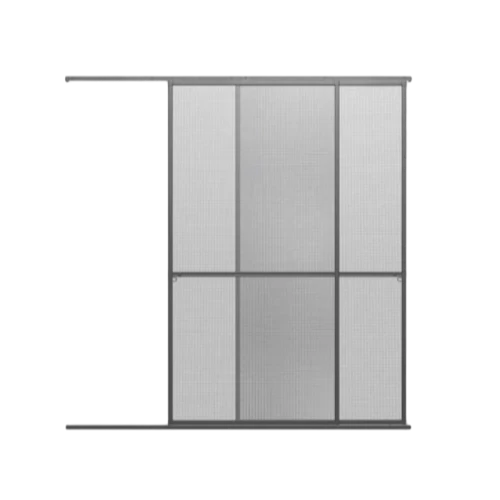
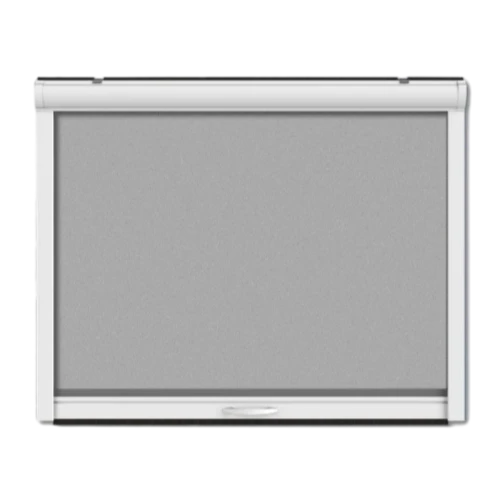
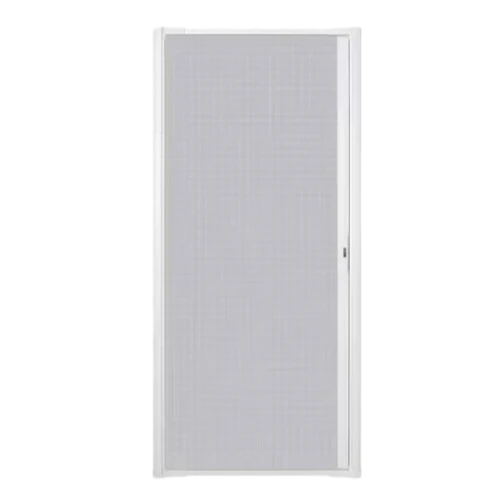
Product snapshot: Roller Screen Window (CR Screen)
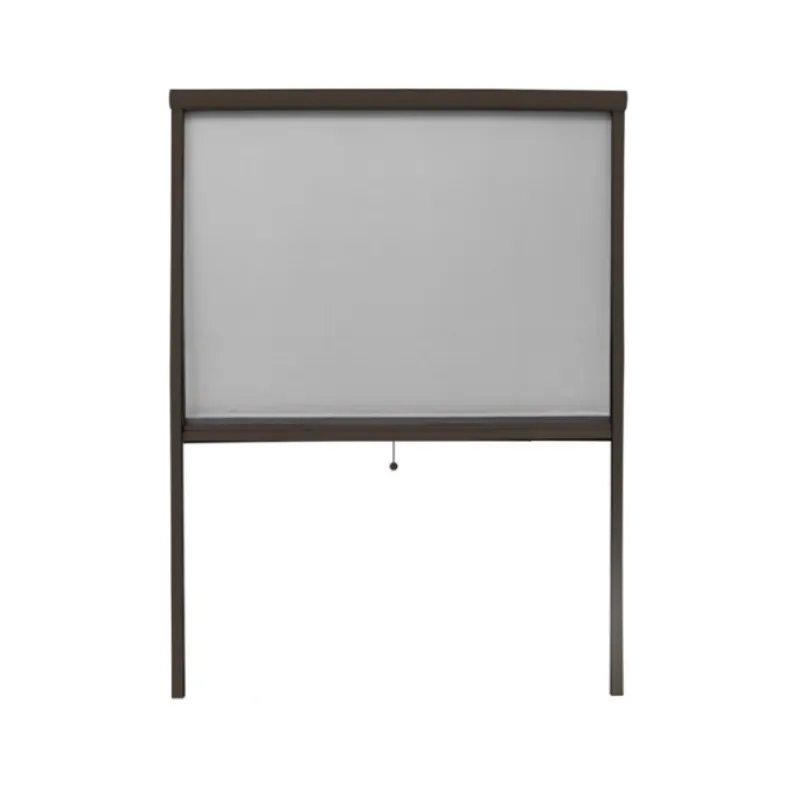
| Frame | 6063‑T5 aluminum, powder-coated (60–80 μm), colors: white/grey/black ≈ |
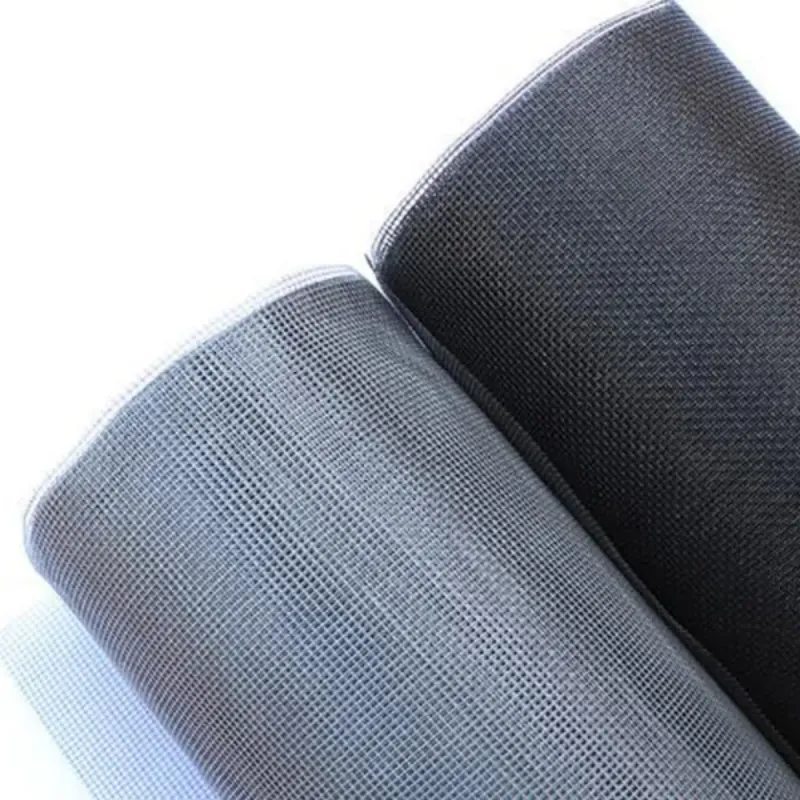
| Mesh options | Fiberglass 18×16, PET anti-tear, optional stainless 304 (coastal) ≈ |
| Max size | Up to around 1800 mm (H) × 1600 mm (W), real-world use may vary |
| Operation | Spring-loaded roller, soft-close guide, magnetic latch |
| Airflow | ≈ 60–70% open area (mesh dependent) |
| UV/weathering | UV-stable yarn; powder coat tested to ISO 4892-2 cycles (in-house) |
| Service life | 8–10 years typical with routine cleaning |
How it’s made (short version)
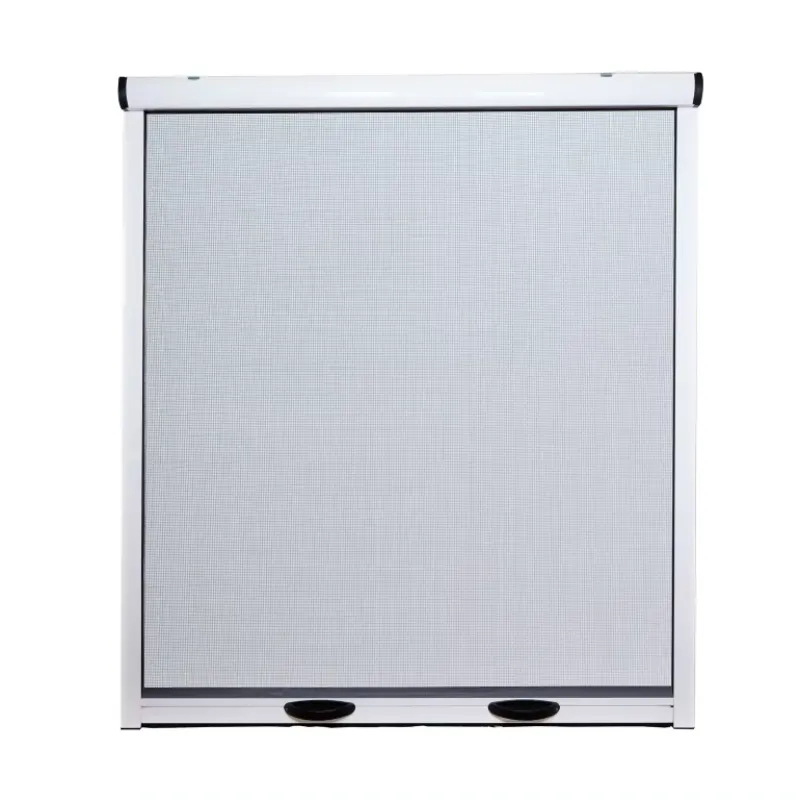
- Materials: 6063‑T5 aluminum profiles, fiberglass/PET/stainless mesh, PP/PE end caps, nylon bearings, weather brushes.
- Methods: Precision cutting, powder coating, mesh tensioning, roller spring calibration, magnetic latch alignment.
- Testing: Air infiltration per ASTM E283; wind resistance referencing EN 1932; mesh conformance to ISO 9044; accelerated UV (ISO 4892‑2).
- QC: 100% roll-up cycle test (≈3,000–5,000 cycles), latch force checks, salt-spray on hardware for coastal specs.
Applications and real feedback
Typical use: residences (bedrooms, balconies), boutique hotels, clinics, schools, even food-prep rooms where doors stay shut but windows can breathe. Many customers say noise is lower than hinged screens; I guess the brush seals help.
Field note: One coastal villa swapped to stainless mesh and, actually, the glare reduction was a bonus. A hospital ward retrofit reported fewer insects and better night ventilation—nurses liked the soft-close action.
Why a Roller Mosquito Screen beats fixed mesh
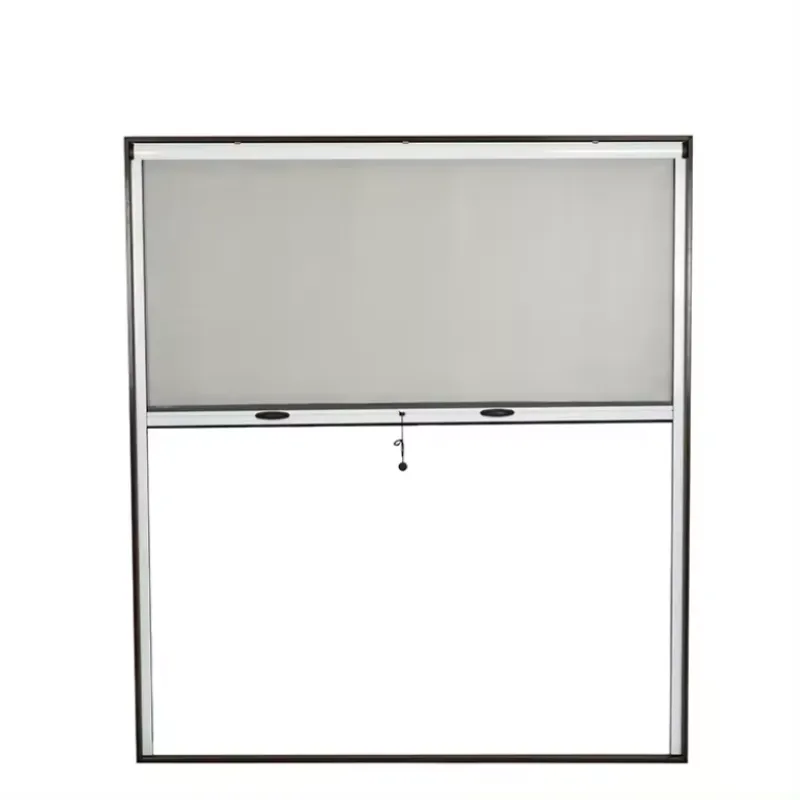
- Retracts into a housing—clean look, easy cleaning.
- Better durability: fewer snags, less handling stress.
- Modular: simple cassette swap if someone’s cat gets curious.
- Customizable: colors, mesh grades, handles, child-safe slow return.
Vendor comparison (quick glance)
| Vendor | Lead time ≈ | Mesh options | Max size ≈ | Certs/Tests | Warranty |
|---|---|---|---|---|---|
| CR Screen (China) | 15–25 days | Fiberglass, PET, 304 SS | H 1800 × W 1600 mm | ASTM E283 (lab), ISO 9044, ISO 4892-2 | 2–3 years |
| Typical Importer | 30–45 days | Mostly fiberglass | H 1600 × W 1400 mm | Basic factory QC | 1 year |
| Local Fabricator | 7–14 days | Fiberglass; limited SS | Custom but variable | Varies; some no lab tests | 1–2 years |
Certifications, test data, and notes
Recent lab sheets I saw showed air infiltration ≤ 0.9 cfm/ft² at 1.57 psf (ASTM E283) on a mid-size unit and no visible mesh deformation after 3,000 roll cycles. Coatings passed an ISO 4892‑2 QUV exposure run. Materials are RoHS and REACH mindful, which matters for public bids. As always, your site conditions can change the story.
Customization checklist
- Color match (RAL chart), low-gloss for modern interiors.
- Mesh grade: privacy tint vs. high-visibility yarn.
- Child-safe slow return spring; pet-resistant PET mesh.
- Corrosion package for coastal zones (SS mesh, SS fasteners).
Sources and standards
- ASTM E283/E283M – Standard Test Method for Determining Rate of Air Leakage Through Exterior Windows.
- ISO 4892-2 – Plastics: Methods of exposure to laboratory light sources.
- ISO 9044 – Industrial Woven Wire Cloth: Technical requirements and tests.
- EN 1932 – External blinds and shutters: Resistance to wind loads (test methods).
Latest news
-
Best Guide to Choose a Screen Door for Sliding Door for Your Home
NewsApr.16,2026 -
The Ultimate Guide to Choosing a screen door for a sliding door
NewsApr.09,2026 -
Choosing the Perfect Patio Sliding Screen Door for Your Home
NewsApr.07,2026 -
Choosing the Best Patio Screen Door with Frame for Your Home and Lifestyle
NewsApr.04,2026 -
Comprehensive Guide to Net Sliding Door Price Factors and Options
NewsMar.31,2026 -
Enhance Your Outdoor Space with a Durable Net Sliding Door for Balcony
NewsMar.28,2026 -
Discover the Benefits of Net Door Sliding Systems for Modern Homes
NewsMar.26,2026