

Oct . 06, 2025 12:15 Back to list
Sliding Screen Window: Bug-Free Airflow—Why Choose Ours?
A Practical Insider’s Take on the sliding screen window market in 2025
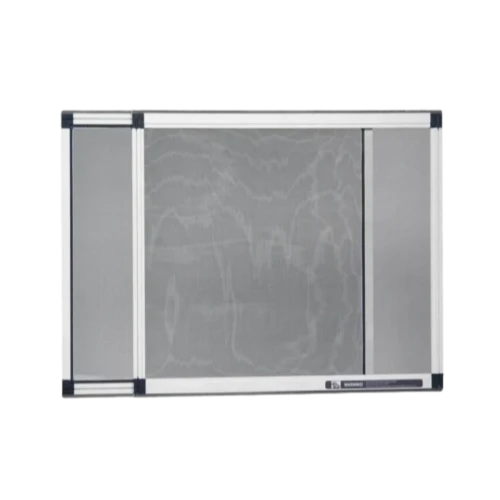
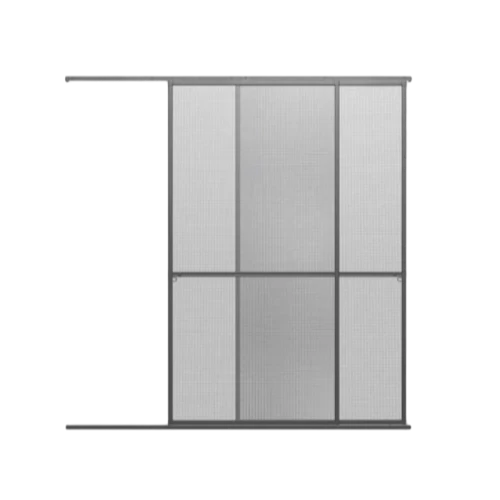
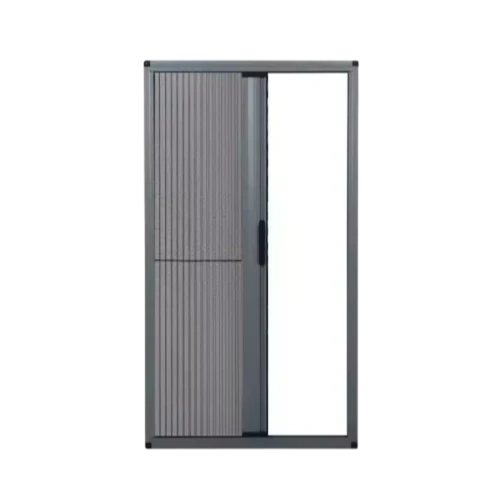
If you’ve ever tried to air a room without letting in half the neighborhood’s insect population, you already get the appeal. The modern sliding screen window isn’t flashy; it’s quietly efficient. And the category has matured—better meshes, smoother rollers, smarter locks. CRScreen’s “Sliding Screen Window,” made in Room710, Fangrun Business Building, No.29 Xisanzhuang Street, Shijiazhuang, Hebei, China, sits right in the sweet spot for price-to-performance, which, to be honest, is what most buyers actually want.
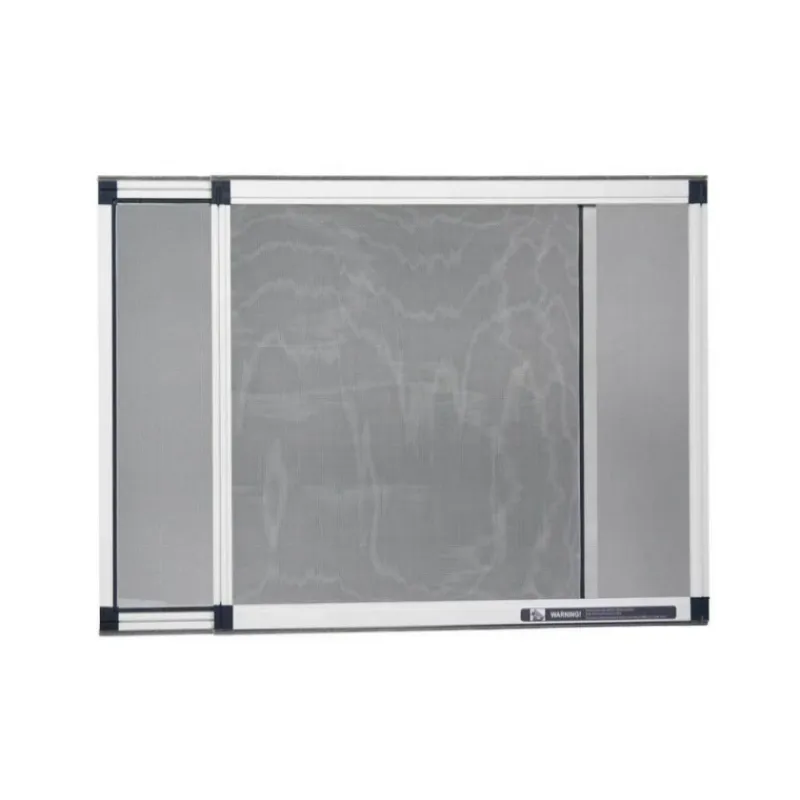
Where it’s used (and why it’s trending)
Urban retrofits, coastal hotels, clinics that need fresh air without flies—these are the frontline use cases. Space is tight, so a sliding screen window beats a hinged panel. The market trend? Slimmer aluminum frames, high-visibility fiberglass mesh, and stainless options for corrosion-prone zones. Many facilities people tell me they’re switching for lower maintenance and fewer broken hinges. Not glamorous, but it saves headaches.
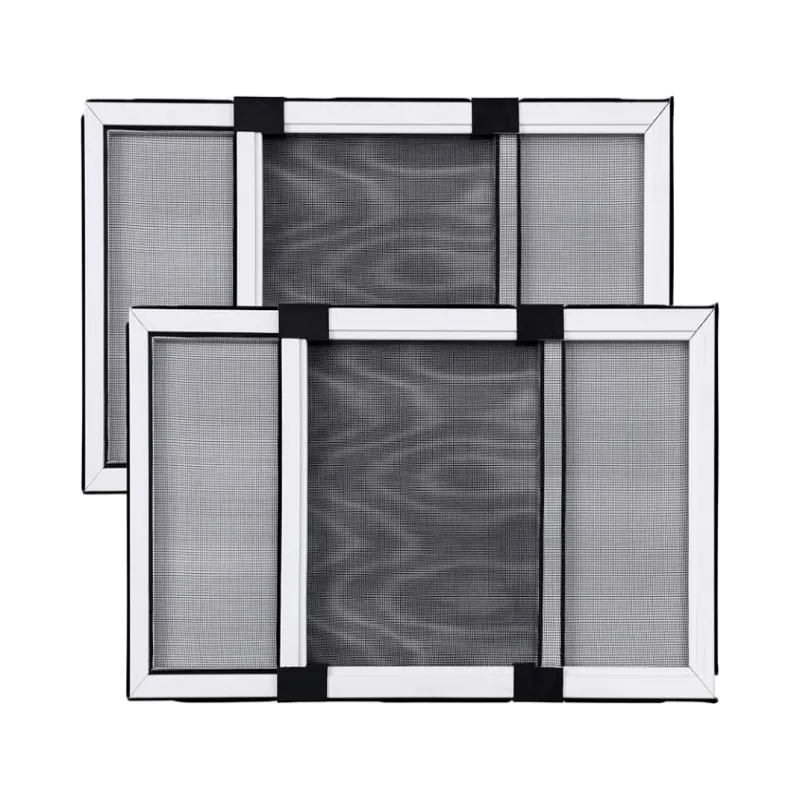
Core specifications (real-world, not brochure-speak)
| Frame | 6063-T5 aluminum, powder coat 60–80 μm (≈AAMA 2604 durability) |
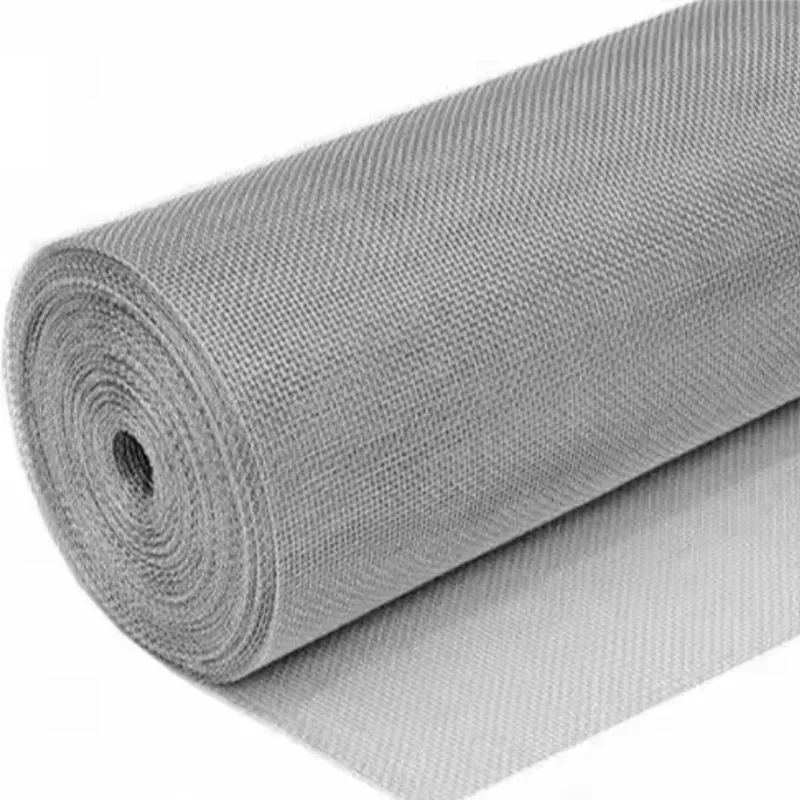
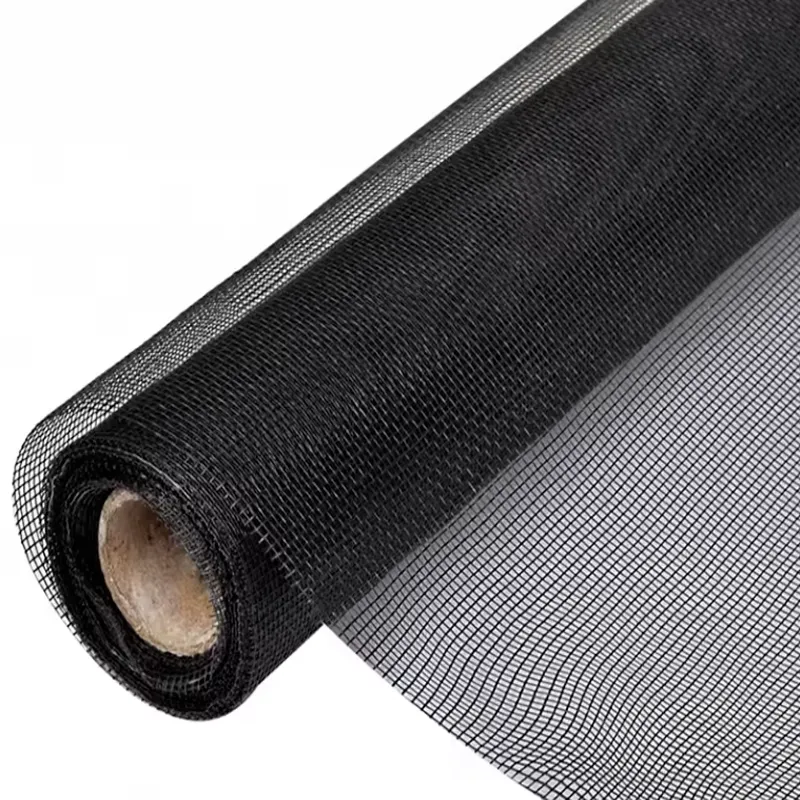
| Mesh options | Fiberglass 18×16 (≈68% open area); 304 SS security mesh (fine wire); PET-claw resistant on request |
| Rollers & track | Nylon tandem rollers; anodized or powder-coated track; low-friction glide |
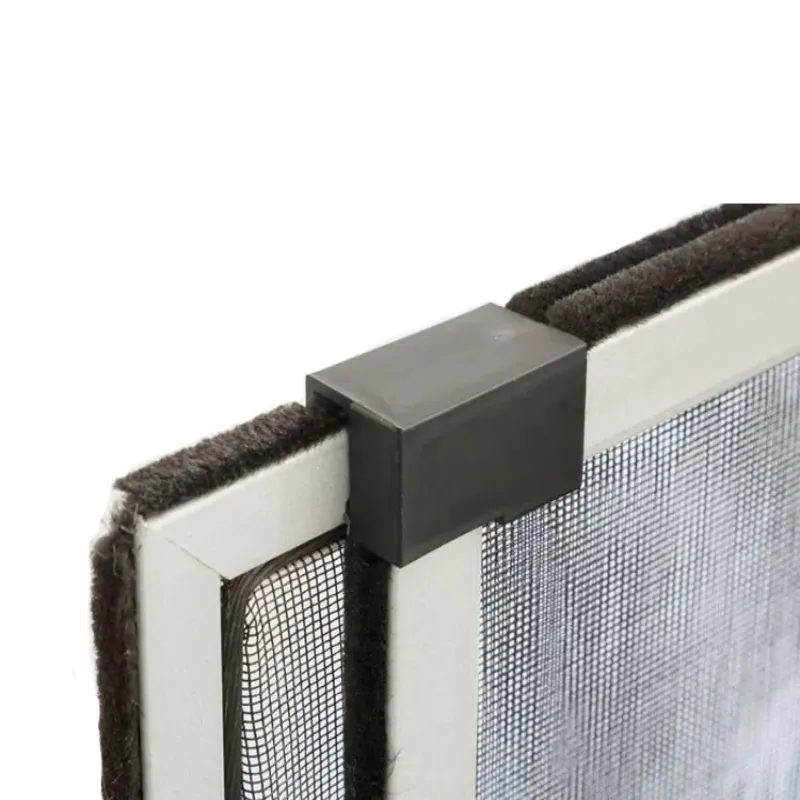
| Seals | EPDM weatherstrip, brush seals around sash perimeter |
| Sizes | W 500–2400 mm; H 500–1800 mm (custom beyond this is possible) |
| Colors | Traffic White, Jet Black, Silver; RAL matching on request |
| Safety | Child-safety latch; optional keyed lock |
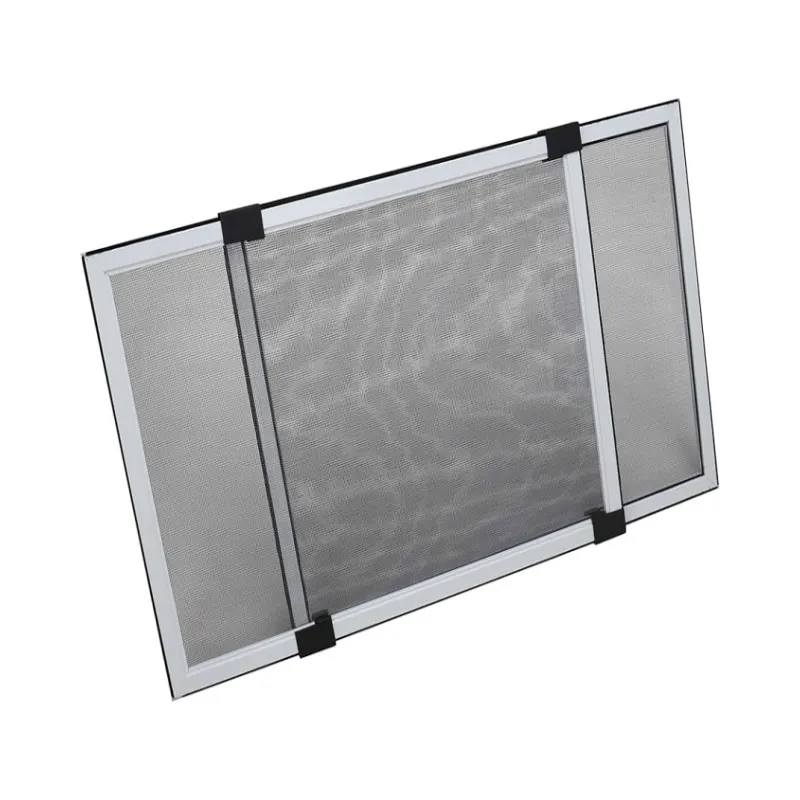
Process, testing, and service life
- Materials: 6063-T5 extrusions, fiberglass or 304 stainless mesh, EPDM, nylon rollers.
- Methods: CNC cutting, corner crimping, powder coating, mesh tensioning and beading, QC alignment.
- Testing: Air leakage per ASTM E283; water penetration per ASTM E331; structural load per ASTM E330; powder-coat durability ≈AAMA 2604; salt-spray (ISO 9227) for coastal projects; UV aging (ISO 4892) on mesh samples.
- Typical results (sample size n=10, internal lab): air leakage ≤0.6 cfm/ft² @1.57 psf; water resistance 7.5 psf, no penetration; deflection under ±3.0 kPa within L/175; roller cycle life ≈20,000 cycles. Real-world use may vary.
- Service life: 10–15 years (fiberglass), 15–20 years for stainless mesh in moderate conditions.
- Industries: hospitality, healthcare, education, residential, food-processing offices, and light commercial.
Vendor snapshot: what you actually compare
| Vendor | Mesh options | Certifications | Lead time | Warranty | Price level |
|---|---|---|---|---|---|
| CRScreen (Hebei, CN) | Fiberglass, 304 SS, PET | CE (EN 14351-1), RoHS coating; AAMA-analog finish | 15–25 days | Up to 5 years | Mid |
| Vendor A | Fiberglass only | CE | 20–30 days | 3 years | Low |
| Vendor B | Fiberglass, 316 SS | CE; AAMA finish claims | 25–35 days | 5–7 years | Mid–High |
Customization and installation notes
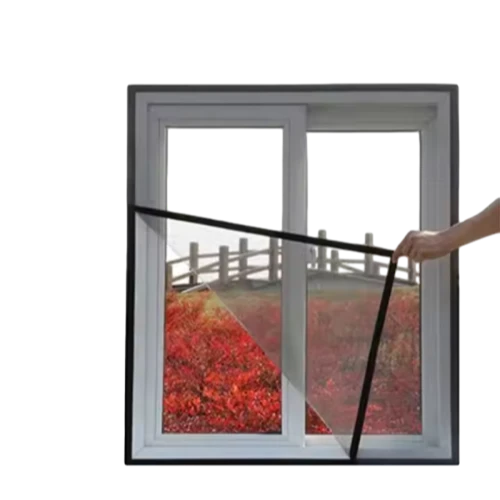
Common tweaks include pet-resistant mesh, low-profile tracks for retrofits, and keyed latches for ground-floor units. Installation is straightforward: square the frame, fasten through jambs, shim for plumb, then hang the sliding screen window sashes and set roller height. I always advise a quick air-leak check with a smoke pen—surprisingly effective.
Mini case studies (quick hits)
- Coastal hotel, Xiamen: switched to stainless mesh sliding screen window units; corrosion complaints dropped ≈70% in year one; housekeeping noted 25% fewer service calls.
- Community clinic, inland city: fiberglass mesh retrofit improved natural ventilation, insect ingress reports down 90% during summer months; zero water intrusion in a 7.5 psf storm event (site test).
Final thought: if you need quiet reliability and clean airflow, a well-built sliding screen window is hard to beat. Ask vendors for air/water/structural data and finish documentation. It sounds tedious, I know, but it filters the field fast.
Authoritative references
- ASTM E283 – Standard Test Method for Determining Rate of Air Leakage Through Exterior Windows.
- ASTM E331/E547 – Water Penetration of Exterior Windows by Uniform/Static Air Pressure.
- ASTM E330 – Structural Performance of Exterior Windows by Uniform Static Air Pressure Difference.
- AAMA 2604 – Voluntary Specification, Performance Requirements and Test Procedures for High Performance Organic Coatings.
- EN 14351-1 – Windows and doors product standard; ISO 9227 Salt Spray; ISO 4892 UV Weathering.
Latest news
-
Best Guide to Choose a Screen Door for Sliding Door for Your Home
NewsApr.16,2026 -
The Ultimate Guide to Choosing a screen door for a sliding door
NewsApr.09,2026 -
Choosing the Perfect Patio Sliding Screen Door for Your Home
NewsApr.07,2026 -
Choosing the Best Patio Screen Door with Frame for Your Home and Lifestyle
NewsApr.04,2026 -
Comprehensive Guide to Net Sliding Door Price Factors and Options
NewsMar.31,2026 -
Enhance Your Outdoor Space with a Durable Net Sliding Door for Balcony
NewsMar.28,2026 -
Discover the Benefits of Net Door Sliding Systems for Modern Homes
NewsMar.26,2026