

Nov . 20, 2025 00:30 Back to list
Soft Mosquito Net - Durable, Comfortable & Insect-Proof Protection Worldwide
The Soft Mosquito Net: Why It Matters More Than You Think
At first glance, a soft mosquito net might sound like little more than a simple mesh curtain—something you’d hang over a bed to keep pesky bugs at bay during warm nights. But it turns out this humble product plays a huge role worldwide, especially in regions where mosquito-borne diseases like malaria, dengue, and Zika are rampant. Understanding soft mosquito nets means more than just knowing a household item; it’s a deep dive into a tool that impacts global health, sustainability, and even disaster relief efforts.
Soft mosquito nets are essential for protecting millions from harmful insect bites that carry diseases with huge human and economic costs. According to the World Health Organization, over 200 million cases of malaria occurred globally in 2020 alone, and soft mosquito nets have been a frontline defense in reducing those numbers. Knowing the ins and outs of these nets is crucial for industries, humanitarian aid organizations, and governments aiming to improve life quality, reduce healthcare burdens, and foster safer living environments.
Why Soft Mosquito Nets Are a Global Game-Changer
Worldwide, almost half the population is at risk of malaria, according to WHO data. Soft mosquito nets offer a widely accessible, cost-effective barrier that doesn’t rely on chemicals or electricity — which is a big deal, especially in rural or resource-poor areas.
Environmental concerns also highlight why soft nets are increasingly favored. Unlike insecticide sprays, which carry risks of toxicity and resistance, soft mosquito nets leverage sheer physical protection and modern materials designed to be gentle yet durable. This aligns with global moves toward sustainable, low-impact tools for disease prevention, making the soft mosquito net a key piece in both public health and eco-friendly initiatives.
But here's the catch: Not all mosquito nets are created equal. The softness, weave, durability, and ease of use can vary dramatically, influencing not just comfort but long-term effectiveness.
What Is a Soft Mosquito Net, Anyway?
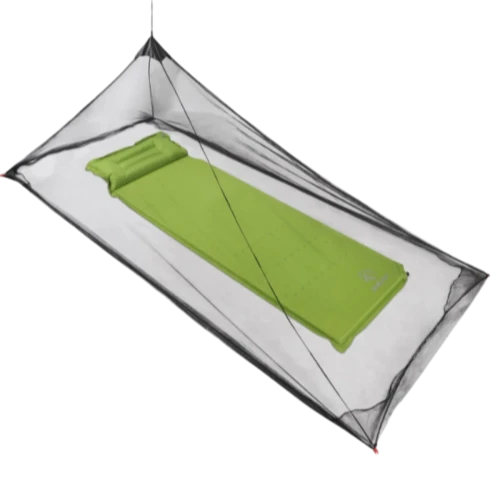
Simply put, a soft mosquito net is a finely woven mesh textile designed to keep mosquitoes and other insects out while providing a comfortable barrier for users. The “soft” label usually refers to the material composition — often a polyester or fine cotton blend — that feels gentle against the skin and flexible enough to hang or fold effortlessly.
Unlike rigid or hard-frame nets, soft mosquito nets adapt quickly to different spaces — beds, windows, tents — with minimal fuss. They connect traditional insect protection with modern needs like portability and comfort, which is why they’ve become staples not only in homes but also in field hospitals, refugee camps, and even luxury resorts.
Core Components of Soft Mosquito Nets
1. Material Softness and Breathability
The hallmark of these nets is their soft touch, often achieved by using polyester fibers treated to be ultra-light and smooth. This isn't just about comfort; it improves airflow, reducing heat buildup underneath — something critical in tropical climates.
2. Mesh Size and Insect Exclusion
They feature tight, standardized mesh sizes, usually between 150 and 200 holes per square inch, to prevent even the tiniest mosquitoes from sneaking through. That balance — blocking insects while maintaining breathability — is trickier than you'd guess.
3. Insecticide Treatment Options
Some soft mosquito nets come pre-treated with long-lasting insecticides, adding a chemical line of defense without compromising the “soft” feel. This combination is often recommended by organizations fighting mosquito-borne illnesses.
4. Durability and Washability
Because they’re used daily and often in rough conditions, these nets must resist wear and tear — washing without losing integrity is a huge plus. Modern coatings and fabric blends help extend their useful life.
5. Easy Installation and Portability
Soft nets' lightweight nature makes them easy to pack and deploy in different environmental conditions — from urban apartments to remote field clinics.
How Soft Mosquito Nets Are Used Around the World
Soft mosquito nets are no longer just a household staple in malarial regions; their applications have broadened spectacularly:
- Public Health Campaigns: Governments in sub-Saharan Africa and Southeast Asia routinely distribute millions of soft nets yearly to fight malaria and protect pregnant women and young children.
- Disaster Relief and Humanitarian Aid: NGOs deploy lightweight, soft mosquito nets when natural disasters cause displacement, protecting vulnerable populations in makeshift shelters.
- Eco-tourism and Hospitality: Remote lodges and resorts use soft nets to provide guests with insect-free comfort without relying on chemical sprays.
- Industrial Use: Insect-prone industrial zones — like construction sites near water bodies — see workers using soft mosquito nets in rest areas to reduce bite risk.
For example, after the 2010 Haiti earthquake, relief organizations distributed tens of thousands of soft mosquito nets within days to help curb post-disaster malaria outbreaks, highlighting how agility in net deployment matters hugely in crises.
Mini takeaway:
Soft mosquito nets, in their various forms, are an invisible yet powerful shield protecting billions worldwide across many sectors, proving that even simple tech can be transformative.
Soft Mosquito Nets: A Specification Snapshot
| Product Feature | Typical Value | Notes |
|---|---|---|
| Material | Polyester / Cotton Blend | Soft to touch, breathable |
| Mesh Size | 150-200 holes per square inch | Blocks mosquitoes, allows airflow |
| Insecticide Treatment | Yes/No options | Long-lasting or none for sensitive users |
| Weight | 120-200 g/m² | Light and easy to pack |
| Dimensions | Varies (Single/Double/Custom) | Fits beds, cots, tents |
| Lifespan | Up to 3 years (with care) | Depends on use and maintenance |
Comparing Vendors: What To Look For When Choosing Your Soft Mosquito Net
| Feature | Vendor A | Vendor B | Vendor C |
|---|---|---|---|
| Material Quality | Premium Polyester | Cotton Blend | Polypropylene |
| Insecticide Treatment | Long-lasting PBO treated | Not treated | Standard insecticide |
| Price Range | $$$ (High-end) | $ (Budget) | $$ (Mid-range) |
| Customization Options | Size & color options | Limited sizes | Custom orders available |
| Shipping & Support | Global, 24/7 support | Domestic only | International, limited hours |
Why the Soft Mosquito Net Wins: Advantages You Can’t Ignore
There’s something reassuring about a soft mosquito net — it’s not just the barrier itself but what it represents: safety, dignity, and peace of mind. This isn’t hyperbole; it’s grounded in sociology and economics. Families who sleep under soft nets report fewer sick days, children grow stronger, and communities become more productive.
- Cost-Effective Protection: Compared with ongoing pesticide spraying, soft mosquito nets are a one-time or infrequent purchase that keeps working if cared for properly.
- Sustainability & Environment: Reduces chemical pollution, protecting ecosystems and human health simultaneously.
- Social Impact: Empowers vulnerable groups, like pregnant women and children, ensuring safer sleep.
- Comfort & Convenience: Soft material enhances nighttime rest, unlike stiff or coarse alternatives.
- Reliability: With proper maintenance, nets last years, standing up to frequent washing and exposure.
All in all, soft mosquito nets harmonize emotional needs—security and dignity—with tangible benefits, making them a cornerstone in global health strategies.
Future Trends: What’s Next for Soft Mosquito Nets?
Innovation never sleeps. Researchers are developing nets with enhanced insecticide treatments that last up to 5 years, using bio-based fibers that are biodegradable and more breathable. There’s also exciting progress in integrating smart textiles that can sense damage or wear and alert users — a kind of mosquito net meets Internet of Things.
Meanwhile, recycling programs for old nets and greener production methods align with global sustainability targets. This means the soft mosquito net of tomorrow won’t just save lives but also tread more lightly on our planet.
Challenges and Solutions: Navigating Soft Net Limitations
Despite their effectiveness, soft mosquito nets face hurdles like fabric wear, resistance to insecticides, and sometimes cultural acceptance. Some users find nets cumbersome or inconvenient to install. Then there’s the supply chain issue — reaching remote areas can be tricky.
But innovators and NGOs are responding. For instance, collapsible frames and easy-hang kits simplify installation while educational campaigns address usage myths. Plus, community-based distribution models improve access and acceptability, proving that even a seemingly simple product thrives when combined with thoughtful support.
FAQ: All Your Soft Mosquito Net Questions Answered
Q1: How long will a soft mosquito net last under normal use?
With typical daily use and proper care—such as gentle washing and no exposure to sharp objects—a soft mosquito net can last up to three years. The lifespan also depends on whether it’s insecticide-treated; those require careful handling to maintain effectiveness.
Q2: Are insecticide-treated soft mosquito nets safe for children and pregnant women?
Yes, insecticide-treated nets approved by WHO use safe levels of deltamethrin or permethrin, which pose minimal health risk and offer significant protection. Yet, untreated nets remain a good alternative for those sensitive to chemicals.
Q3: Can soft mosquito nets be customized for irregular bed sizes or outdoor use?
Absolutely. Many vendors offer custom dimensions and shapes to fit non-standard beds, hammocks, or tent entrances. Some also supply more robust materials suitable for outdoor conditions.
Q4: How do I properly install a soft mosquito net to maximize protection?
Ensure the entire sleeping area is covered with no gaps between net edges and walls or floor. Use hooks, frames, or poles to suspend the net neatly, allowing airflow but preventing mosquito entry. Regularly check for tears or holes.
Q5: Where can I find high-quality soft mosquito nets for bulk purchase?
Several reputable suppliers provide bulk orders globally, including soft mosquito net specialists. Look for certifications like WHO prequalification and check vendor reviews.
Wrapping Up: Why Investing in Soft Mosquito Nets Makes Sense
Soft mosquito nets stand at the intersection of health, comfort, and sustainability. They’re one of those quiet heroes helping millions sleep peacefully under the stars or in busy cities. Whether you’re a humanitarian planner, business owner, or a homeowner seeking better protection, these nets deserve a spot in your toolkit.
If you’re curious to explore the best options or bulk deals, why not visit our website for detailed info and expert guidance? Your next great sleep — mosquito-free and worry-free — might be just one click away.
Mini takeaway:
Soft mosquito nets are a simple, affordable solution with a surprisingly broad impact on health, economics, and sustainability worldwide.
References & Further Reading



Latest news
-
Best Guide to Choose a Screen Door for Sliding Door for Your Home
NewsApr.16,2026 -
The Ultimate Guide to Choosing a screen door for a sliding door
NewsApr.09,2026 -
Choosing the Perfect Patio Sliding Screen Door for Your Home
NewsApr.07,2026 -
Choosing the Best Patio Screen Door with Frame for Your Home and Lifestyle
NewsApr.04,2026 -
Comprehensive Guide to Net Sliding Door Price Factors and Options
NewsMar.31,2026 -
Enhance Your Outdoor Space with a Durable Net Sliding Door for Balcony
NewsMar.28,2026 -
Discover the Benefits of Net Door Sliding Systems for Modern Homes
NewsMar.26,2026