

Nov . 21, 2025 09:00 Back to list
Traditional Mosquito Net: Durable, Cost-Effective Protection Against Mosquito-Borne Diseases
Traditional Mosquito Net: A Simple Solution with Global Impact
When you think of mosquito nets, the first image might be a simple mesh draped over a bed. But the traditional mosquito net, a humble barrier made for centuries, still plays a critical role in global health and well-being. In many parts of the world, especially malaria-endemic regions, these nets aren't just about comfort—they're lifesavers. Understanding the significance of traditional mosquito nets goes beyond just insect protection; it echoes a worldwide push for low-cost, sustainable health interventions that save millions annually.
The Global Context: Why Traditional Mosquito Nets Matter
Malaria alone affects over 200 million people yearly, with over 600,000 deaths reported by the World Health Organization (WHO) in 2022. The vast majority of these fatalities occur in Sub-Saharan Africa, where mosquito-borne diseases strain healthcare and economic systems alike. Traditional mosquito nets have become recognized as one of the most effective tools in preventing the bite of disease-carrying mosquitoes. The United Nations has even highlighted insecticide-treated nets as a cornerstone of its sustainable development goals (SDG #3: Good health and well-being).
Nevertheless, challenges like damaged nets, incorrect use, and limited distribution still leave vulnerable populations exposed.
Mini Takeaway:
- Traditional mosquito nets are simple but highly effective for disease prevention.
- Global health organizations prioritize them in malaria control strategies.
- Ongoing challenges remain in ensuring accessibility and proper usage.
What Exactly Is a Traditional Mosquito Net?
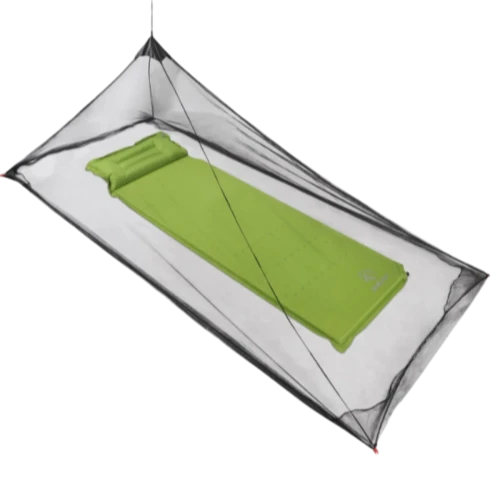
In straightforward terms, a traditional mosquito net is a mesh fabric barrier designed to cover sleeping areas to prevent mosquitoes from reaching people. Usually rectangular or conical, these nets have been around for centuries and are made from cotton, polyester, or polyethylene. While some modern nets integrate insecticides to boost efficacy, the traditional variant focuses on the physical barrier — no chemicals involved.
This simple concept has found relevance beyond household use, influencing humanitarian efforts, outdoor and industrial applications, and even emergency relief in disaster zones.
Core Aspects of Traditional Mosquito Nets
1. Durability
Most traditional nets are crafted to withstand daily handling and long-term exposure. Polyethylene nets can last up to three years depending on care, while cotton variants tend to degrade faster but remain biodegradable.
2. Cost Efficiency
Traditional mosquito nets are among the most cost-effective preventive measures in healthcare, often costing under $5 per unit in bulk purchases. This low cost allows NGOs and governments to distribute them widely.
3. Breathability and Comfort
Thanks to their mesh design, these nets allow air flow, preventing suffocation and heat buildup, crucial for tropical climates where malaria is prevalent.
4. Ease of Use and Maintenance
Simple setup—usually just hanging the net over a bed—and minimal maintenance make traditional nets accessible for users of all ages and literacy levels.
5. Scalability
The production of traditional mosquito nets can be ramped up quickly during outbreaks or emergencies without complex manufacturing processes.
6. Environmental Impact
While untreated nets are generally environmentally friendly, some insecticide-treated nets raise concerns about chemical runoff. Understanding and managing these impacts remains an active area of research.
Mini Takeaway:
- Durability and breathability make these nets practical in tropical environments.
- Affordability helps mass distribution by health organizations.
- Simple installation fosters widespread adoption.
Traditional Mosquito Nets in Action: Global Use Cases
From rural villages in Mozambique to refugee camps in Bangladesh, traditional mosquito nets prove essential. In post-disaster zones like after the 2010 Haiti earthquake, rapid distribution of nets helped prevent disease outbreaks.
Industrial camps deep in African mining zones use these nets to protect workers sleeping in remote areas where malaria risk spikes. Humanitarian groups such as Médecins Sans Frontières routinely include nets in health kits to improve safety and enhance dignity.
Product Specification Table: Typical Traditional Mosquito Net
| Feature | Details |
|---|---|
| Material | Polyester or cotton mesh |
| Mesh size | 156 holes/inch² (standard) |
| Dimensions | 6.5 ft x 7 ft (rectangular) |
| Weight | ~250 grams |
| Treatment | Untreated (chemical-free) |
| Life expectancy | 2-3 years with normal use |
Why Traditional Mosquito Nets Are Worth the Investment
The advantages go beyond just the price tag. Traditional mosquito nets foster health, protect dignity, and create safe personal spaces even in uncertain environments. Many users find comfort simply knowing they are shielded from nighttime bites and potential pathogens. Economically, reducing malaria incidence cuts medical expenses and productivity losses, which ripple through communities and local economies.
Environmentally, their low-tech nature minimizes resource demand and waste compared to more complex solutions. Even the perception of trust counts: a net you can set up yourself and clean easily feels like a reliable guardian rather than a black-box gadget.
Vendor Comparison: Leading Traditional Mosquito Net Suppliers
| Supplier | Material | Price per unit (bulk) | Available Sizes | Lead Time |
|---|---|---|---|---|
| NetGuard Supplies | Polyester | $3.80 | Single, Double, Family sizes | 2 weeks |
| EcoSafe Nets | Cotton | $4.50 | Single only | 4 weeks |
| SafeSleep International | Polyethylene | $3.20 | Single, Double | 1 week |
Looking Forward: Innovations in Traditional Mosquito Nets
Though “traditional” sounds like a word for the old-school, there’s a fair bit of innovation happening. Recent developments include:
- Biodegradable and organically sourced fibers to minimize environmental impact
- Integrating safe, longer-lasting insecticide treatments to enhance protection
- Smart nets embedded with sensors that monitor mosquito presence or net integrity — still experimental but promising
- Recycling programs to handle end-of-life nets responsibly
These advancements hint that, while the essence of the traditional mosquito net remains unchanged, its future is linked closely with sustainability and smart health monitoring.
Tackling Challenges: Practical Solutions for Mosquito Net Limitations
None of this is to say traditional mosquito nets are a perfect fix. Common obstacles include:
- Wear and tear over time causing holes and reduced effectiveness
- Incorrect usage due to lack of education or cultural resistance
- Distribution bottlenecks in rural or crisis settings
Solutions vary from community-based education programs, improved packaging for durability during transport, to partnerships with local artisans for repairs. Some NGOs are even pioneering solar-powered insect killers to complement nets where infestations spike.
Frequently Asked Questions About Traditional Mosquito Nets
- Q: How do traditional mosquito nets compare to insecticide-treated nets?
- A: Traditional nets act as a physical barrier, while insecticide-treated nets add chemical protection by repelling or killing mosquitoes. However, untreated nets remain vital in areas where chemical resistance is a concern or where affordability is prioritized.
- Q: Can traditional mosquito nets be reused for multiple seasons?
- A: Yes, with proper care and maintenance, traditional nets typically last 2-3 years. Avoid sharp objects, wash gently, and keep dry to extend life.
- Q: Are there any environmental risks associated with using insecticide-treated nets?
- A: Some concerns exist regarding chemical runoff affecting local ecosystems. Using untreated or biodegradable nets when feasible reduces environmental impact.
- Q: Is there a recommended mesh size for optimal protection?
- A: WHO standards suggest nets with a mesh size of about 156 holes per square inch, which balances airflow and mosquito exclusion.
- Q: How can NGOs effectively distribute traditional mosquito nets during emergencies?
- A: Partnering with local organizations, ensuring culturally appropriate education, and using rapid deployment logistics are key strategies to achieve timely distribution.
Wrapping Up: The Lasting Value of Traditional Mosquito Nets
At the end of the day, traditional mosquito nets remain one of the simplest yet most profound tools in the global fight against mosquito-borne illnesses. They combine affordability, ease of use, and effectiveness to protect over a billion people every year. Embracing their value means supporting a legacy of low-tech, high-impact solutions that quietly save millions.
Want to learn more? Visit our website: https://www.crscreen.com for further resources on effective mosquito control products and best practices.
Mini Takeaway:
- Traditional mosquito nets are timeless solutions adapting to modern challenges.
- Ongoing innovation and community engagement optimize their effectiveness.
- Simple tools can lead to massive global health gains.
References:




Latest news
-
Best Guide to Choose a Screen Door for Sliding Door for Your Home
NewsApr.16,2026 -
The Ultimate Guide to Choosing a screen door for a sliding door
NewsApr.09,2026 -
Choosing the Perfect Patio Sliding Screen Door for Your Home
NewsApr.07,2026 -
Choosing the Best Patio Screen Door with Frame for Your Home and Lifestyle
NewsApr.04,2026 -
Comprehensive Guide to Net Sliding Door Price Factors and Options
NewsMar.31,2026 -
Enhance Your Outdoor Space with a Durable Net Sliding Door for Balcony
NewsMar.28,2026 -
Discover the Benefits of Net Door Sliding Systems for Modern Homes
NewsMar.26,2026