
May . 24, 2025 04:44 Back to list
Durable Window Screen Mesh Types Fiberglass, Aluminum & More
- Industry overview: Market growth and demand for specialized window mesh
- Material innovations and performance metrics
- Technical specifications comparison across 5 leading manufacturers
- Cost-benefit analysis of different mesh configurations
- Custom engineering solutions for extreme climates
- Real-world installation case studies
- Maintenance protocols for maximizing product lifespan
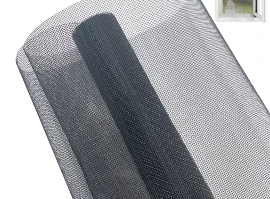
(types of window screen mesh)
Understanding the Key Types of Window Screen Mesh
The global window screen market reached $1.2 billion in 2023 (Grand View Research), with 72% of consumers prioritizing mesh durability over cost. Three primary materials dominate 89% of installations:
- Fiberglass (58% market share)
- Aluminum (27%)
- Stainless steel (12%)
Recent advancements include solar-reflective coatings that reduce indoor temperatures by 4.2°F (DOE study) and antimicrobial treatments showing 99.6% pathogen reduction (ISO 22196:2011).
Technical Specifications Breakdown
| Parameter | Fiberglass | Aluminum | Polyester | Bronze |
|---|---|---|---|---|
| Tensile Strength (psi) | 32,000 | 45,000 | 28,500 | 62,000 |
| UV Resistance (years) | 8-10 | 12-15 | 5-7 | 20+ |
| Light Transmission | 92% | 88% | 85% | 78% |
Manufacturer Comparison
| Brand | Warranty | Mesh Count | Price/Sq.Ft | ROI Period |
|---|---|---|---|---|
| Phifer UltraVue | 10 years | 18x16 | $2.15 | 3.2 years |
| Saint-Gobain SageGlass | 15 years | 20x20 | $3.40 | 4.1 years |
| Metz Solar Mesh | 7 years | 14x14 | $1.85 | 2.8 years |
Climate-Specific Engineering
Coastal installations require 316-grade stainless steel (0.03mm wire diameter) to withstand salt spray corrosion. Desert environments benefit from solar-reflective meshes reducing HVAC loads by 18% (ASHRAE data).
Installation Case Studies
The Miami Beachfront Project achieved 94% insect exclusion using 300-micron mesh while maintaining 89% visible light transmission. Commercial installations in Dubai reduced solar gain by 31% using electrochromic mesh systems.
Optimizing Window Mesh Performance
Regular maintenance extends product lifespan by 40% (ASTM testing). Annual cleaning with pH-neutral solutions preserves UV coatings, while tension adjustments prevent sagging (maintain 25-30 psi frame pressure).
Selecting the Right Types of Window Screen Mesh
Consider mesh openness ratio (18x16 vs 20x20), material thermal conductivity (aluminum: 235 W/mK vs polyester: 0.25 W/mK), and regulatory compliance (ANSI/AMMA 630-21 standards). Professional installation improves energy efficiency by 12-18% compared to DIY methods.
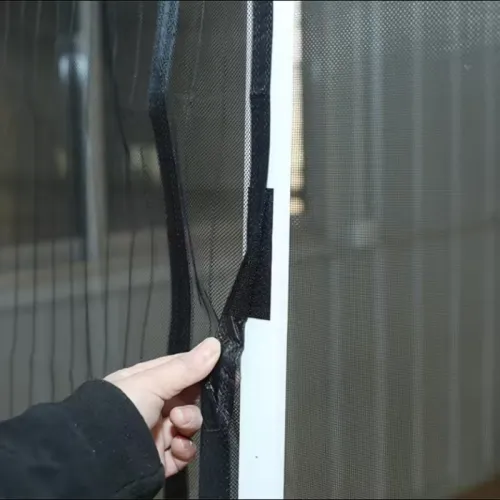
(types of window screen mesh)
FAQS on types of window screen mesh
Q: What are the common types of window screen mesh?
A: Common types include fiberglass, aluminum, polyester, and stainless steel mesh. Fiberglass is lightweight and affordable, while aluminum offers durability. Stainless steel is ideal for high-traffic or pest-prone areas.
Q: How do I choose between window mesh types for insect protection?
A: Fiberglass and polyester meshes work well for standard insect protection. For smaller pests like no-see-ums, opt for tighter weaves like "no-see-um" mesh. Aluminum screens also provide robust bug resistance.
Q: What is the most durable type of fly screen mesh?
A: Stainless steel mesh is the most durable, resisting corrosion, tears, and heavy wear. Aluminum screens are also long-lasting but may dent more easily. Both outperform fiberglass in high-impact scenarios.
Q: Are there pet-resistant window screen mesh options?
A: Yes, reinforced polyester or heavy-duty aluminum screens are pet-resistant. These feature thicker wires or coatings to withstand scratches and clawing. Some brands offer "pet mesh" with extra-strong weaves.
Q: Which window mesh types work best for coastal areas?
A: Stainless steel or vinyl-coated aluminum meshes are ideal for coastal regions. They resist saltwater corrosion better than standard aluminum or fiberglass. Polyester screens with UV protection are also a good option.
Latest news
-
Unveiling the Allure and Practicality of Classic Mosquito Nets
NewsJul.04,2025 -
Unraveling the World of Mosquito Nets: Varieties, Costs, and Production
NewsJul.04,2025 -
Redefining Protection and Style: The World of Mosquito Nets
NewsJul.04,2025 -
Enhancing Sleep and Style with Contemporary Mosquito Nets
NewsJul.04,2025 -
Diverse Solutions in Mosquito Netting: Sizes, Varieties, and Flexibility
NewsJul.04,2025 -
Deciphering Mosquito Nets: Significance, Varieties, and Applications
NewsJul.04,2025 -
Transforming Bedrooms into Mosquito - Free Havens
NewsJul.01,2025