

Nov . 26, 2025 22:05 Back to list
Understanding Classic Mosquito Net Price: Global Insights and Practical Buying Guide
What Does Classic Mosquito Net Price Really Mean—and Why Should You Care?
When you hear classic mosquito net price, it might just sound like some dry statistic about a household product. But in reality, understanding this topic taps into a much wider story: global health, affordable protection, and sustainable living, especially in vulnerable regions worldwide. Mosquito nets have been a frontline defense against diseases like malaria and dengue for decades, and the “classic” version often refers to the tried-and-true polyester or cotton mesh designs. Knowing what governs their price helps governments, NGOs, and consumers make smarter choices about accessibility, durability, and impact.
For many communities, a mosquito net isn’t just a summertime convenience—it’s a literal life-saver.
The Worldwide Context: Why Classic Mosquito Net Pricing Matters More Than Ever
According to the World Health Organization, malaria still causes over 600,000 deaths annually, mostly in sub-Saharan Africa—a shocking reminder that mosquito-borne illnesses remain a global health challenge. Mosquito nets’ affordability, durability, and availability hinge heavily on their price point, which in turn impacts distribution effectiveness. Meanwhile, the UN's Sustainable Development Goals emphasize reducing disease, improving health infrastructure, and promoting sustainable products, all of which intersect with the economics of mosquito nets.
But here’s the catch: costs fluctuate depending on raw materials, manufacturing scale, treatment methods (like insecticide impregnation), and supply chain hurdles. This makes the “classic mosquito net price” a key metric in balancing wide-scale protection efforts against tight budgets. It’s a subtle art of optimization: low enough to be affordable at scale, high enough to ensure quality so they don’t tear after a couple of months.
Defining Classic Mosquito Net Price: More Than Just a Number
At its simplest, the classic mosquito net price is the total cost required to purchase a standard mosquito net that uses traditional materials and manufacturing processes. Usually, this refers to untreated polyester nets or those treated with long-lasting insecticides, designed to cover beds or sleeping areas.
These nets serve a classical function: physical and chemical barriers to mosquitoes. The pricing reflects not only the raw fabrics and labor but also certifications, packaging, and distribution costs. It’s a delicate balance—too cheap, and you compromise on lifespan; too expensive, and you limit access.
Key Factors Influencing Classic Mosquito Net Price
1. Material Quality and Durability
The mesh density, fabric type (polyester vs. polyethylene), and thread strength directly affect net longevity. Denser meshes cost more but provide better bite protection.
2. Insecticide Treatment
Many mosquito nets are treated with insecticides (e.g., permethrin) to increase efficacy. Treatment adds to production costs but significantly enhances protection.
3. Manufacturing Scale & Location
Mass production from centralized factories often lowers net prices, but transportation and tariffs can offset savings, especially for nets shipped closer to deployment zones.
4. Design Features
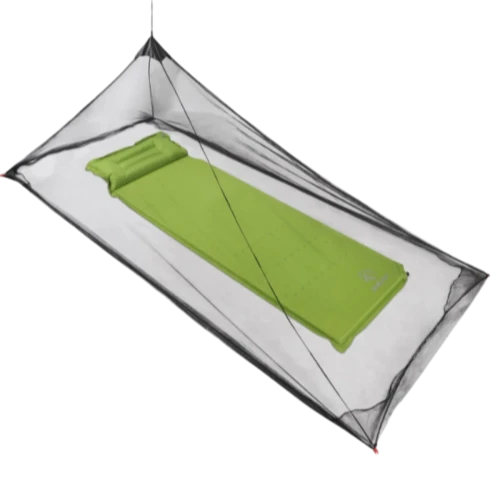
Classic nets vary in size, shape (rectangular vs. conic), and ease of installation. These factors influence packaging and bulk, affecting shipping costs.
5. Certification and Compliance
Nets that meet WHO or ISO standards may incur higher costs due to quality assurance processes but enhance buyer confidence and effectiveness.
Mini takeaway:
Classic mosquito net price is impacted by a web of factors beyond just fabric costs—each playing a crucial role in protecting lives sensibly and sustainably.
Real-World Applications: How Classic Mosquito Nets Make a Difference
Classic mosquito nets find their place everywhere people sleep but remain vulnerable to mosquito-borne diseases—from rural homes in Africa and Southeast Asia to camps for displaced people in South America. In post-disaster relief efforts, nets are rapidly deployed to reduce infection spikes. Remote industrial zones also rely on them to safeguard workers in malaria-prone environments.
For NGOs and public health organizations, buying at the right classic mosquito net price makes it possible to maximize coverage while minimizing waste.
Classic Mosquito Net Specification Table
| Specification | Typical Range | Notes |
|---|---|---|
| Material | Polyester / Polyethylene | Lightweight, resistant to tears |
| Mesh Size | 156–225 holes/in² | Balances airflow and mosquito exclusion |
| Treatment | Insecticide (permethrin/cyfluthrin) | Enhances efficacy, adds cost |
| Dimensions | 200 x 180 x 150 cm | Fits standard single bed |
| Price Range | $2.50 – $7.00 per net | Varies by specs & volume |
Who’s Who? Comparing Vendors and Cost Drivers
| Vendor | Typical Price per Net | Key Features | Delivery Speed |
|---|---|---|---|
| Global Nets Inc. | $3.00 | WHO-certified, long-lasting insecticide | Standard (3–4 weeks) |
| EcoShield | $4.50 | Organic fabrics, biodegradable | Priority (2 weeks) |
| SafeSleep Supplies | $2.75 | Basic untreated nets, bulk discounts | Slow (4–5 weeks) |
Why Investing in a Good Net Is Also Investing in Long-Term Value
Getting a better classic mosquito net price isn’t just about saving a few cents upfront. Many engineers and health workers stress that durable, insecticide-treated nets reduce illness, healthcare burden, and even lost wages. There's a human dignity aspect too—sleeping safely under a solid net reduces anxiety, improves sleep quality, and builds community trust in health programs.
Plus, these nets often last several years if properly cared for, outlasting cheaper alternatives several times over. It’s a classic tradeoff: spending a bit more at the start to save far more in the long run. Interestingly enough, some NGOs have even reported increased compliance and usage rates after upgrading their net procurement standards—proving the value isn’t just numeric but also behavioral.
Looking Ahead: Innovations and Trends Shaping Classic Mosquito Net Pricing
Classic nets might seem “classic,” but the industry is buzzing with new developments. For instance, bio-based, biodegradable mesh fabrics aim at cutting plastic waste. Smart nets incorporating digital sensors to monitor mosquito presence and usage compliance are in early trials. Eco-labeling and stricter quality certifications influence pricing but push manufacturers toward greener processes.
As new materials lower production cost or governments introduce subsidies, we could see classic mosquito net prices become even more accessible while paving the way for smarter, more sustainable solutions.
Common Challenges and How Experts Are Addressing Them
- Durability vs. Cost: Cheaper nets tend to tear quickly; experts develop better blends of fibers to improve lifespan without drastic price hikes.
- Distribution Bottlenecks: Even affordable nets aren’t helpful if they sit in warehouses; innovative logistics software and drone deliveries help shorten lead times.
- Insecticide Resistance: Mosquito populations evolve; rotating chemicals and integrating physical barriers are strategies to sustain efficacy.
FAQ: Frequently Asked Questions About Classic Mosquito Net Price
1. What factors most affect the classic mosquito net price?
Material type, insecticide treatment, manufacturing scale, design features, and certification standards all play major roles in pricing. For instance, treated nets normally cost more but deliver greater protection.
2. How long does a classic mosquito net usually last?
With proper care, a good-quality mosquito net can last between 3 to 5 years. Untreated or lower-quality nets might only last 1 to 2 years before needing replacement.
3. Are insecticide-treated nets worth the extra cost?
Absolutely. Insecticide-treated nets provide a chemical barrier that kills or repels mosquitoes, significantly reducing disease transmission. Their higher price is balanced by improved health outcomes.
4. How can NGOs ensure they’re getting the best price without sacrificing quality?
Partnering with certified suppliers, buying in bulk, and verifying compliance with WHO or ISO standards ensure cost-effective procurement without cutting corners.
5. Can classic mosquito nets be recycled or disposed of sustainably?
Traditional synthetic nets are challenging to recycle, but newer biodegradable options are emerging. Proper waste management or donating gently used nets can mitigate environmental impact.
Wrapping It Up: Buy Smart, Sleep Safe
Mastering the nuances of classic mosquito net price isn’t just about numbers—it’s about understanding the far-reaching effects of affordability, quality, and sustainability on public health and human dignity. With the right knowledge, purchasers can help save lives while respecting budgets and the planet.
If you want to dive deeper into reliable pricing info or explore quality nets fit for your needs, don’t hesitate to visit our website—a resource designed with both professionals and consumers in mind.
Stay safe, stay curious, and may your nets never have holes.
References



Latest news
-
Best Guide to Choose a Screen Door for Sliding Door for Your Home
NewsApr.16,2026 -
The Ultimate Guide to Choosing a screen door for a sliding door
NewsApr.09,2026 -
Choosing the Perfect Patio Sliding Screen Door for Your Home
NewsApr.07,2026 -
Choosing the Best Patio Screen Door with Frame for Your Home and Lifestyle
NewsApr.04,2026 -
Comprehensive Guide to Net Sliding Door Price Factors and Options
NewsMar.31,2026 -
Enhance Your Outdoor Space with a Durable Net Sliding Door for Balcony
NewsMar.28,2026 -
Discover the Benefits of Net Door Sliding Systems for Modern Homes
NewsMar.26,2026