

Nov . 27, 2025 20:05 Back to list
What Does Mosquito Net Meaning Really Mean? Exploring Global Health & Innovation
Understanding 'Mosquito Net Meaning': Why It Matters Globally
At first glance, the phrase mosquito net meaning might sound simple—a basic household item you throw over your bed. But, frankly, it’s far more profound than that. Globally, mosquito nets are an essential frontline defense against vector-borne diseases that affect millions each year. Understanding what mosquito nets are, their role, and why their meaning extends beyond just a mesh screen can shed light on some of the world’s most pressing health challenges.
According to the World Health Organization, malaria alone caused over 600,000 deaths in 2021—most preventable with simple interventions like insecticide-treated mosquito nets (ITNs). Grasping the full scope of mosquito net meaning unlocks critical insight into global health, humanitarian relief, and sustainable development strategies.
A Closer Look: What Exactly Does 'Mosquito Net Meaning' Signify?
At its core, the mosquito net meaning refers to a fine mesh fabric designed to protect individuals from mosquito bites, primarily while sleeping. But there’s more nuance. These nets are often made of polyester or polyethylene and treated with insecticides that repel or kill mosquitoes upon contact.
In modern humanitarian or industrial contexts, these nets become part of a toolkit for disease prevention in tropical regions, refugee camps, and remote locations where vector control is vital. Essentially, the “meaning” encompasses both the physical product and its broader health and social impact.
Key Components That Shape Mosquito Net Effectiveness
1. Material & Durability
Most mosquito nets use synthetic fibers like polyester for durability and ease of treatment with insecticides. The mesh density must be fine enough to block mosquito entry but still allow airflow. Oddly enough, if the material is too flimsy or poorly woven, it defeats the purpose entirely — mosquitoes always find a way.
2. Insecticide Treatment
Modern nets often come impregnated with long-lasting insecticides (e.g., permethrin), which are crucial in killing or repelling mosquitoes. The treatment lifespan ranges but typically lasts for 3-5 years, which significantly contributes to durability and efficacy.
3. Size & Coverage
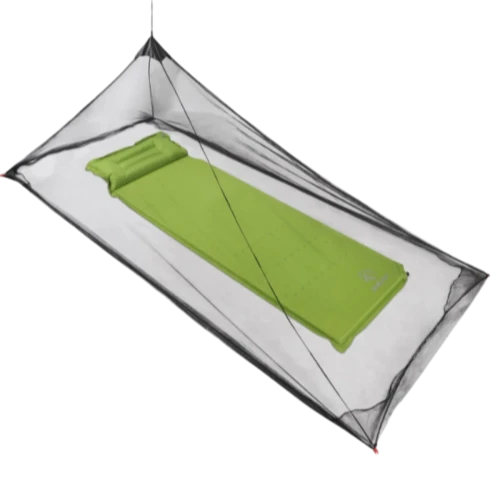
Nets vary in shape (rectangular, conical) and size to fit beds, hammocks, or even entire rooms. Proper coverage ensures no gaps where mosquitoes can sneak in—a seemingly small detail but a common failure point in real-world setups.
4. Scalability & Deployment
In humanitarian emergencies, ease of distribution and rapid deployment are vital. Lightweight, packable nets that communities can quickly set up align well with international aid logistics.
5. Cost Efficiency
Affordability without sacrificing quality ensures wider distribution, especially in developing countries. It’s always a balancing act between cost, quality, and durability.
Real-World Applications: From Tropical Regions To Refugee Camps
The mosquito net meaning is vividly clear when considering field applications:
- Sub-Saharan Africa: Where malaria remains endemic, mass net distribution campaigns have become annual events, supported by organizations like the Global Fund.
- Southeast Asia: In dense forested regions, nets help prevent dengue fever outbreaks, protecting workers and villagers alike.
- Humanitarian Settings: Refugee camps often lack basic infrastructure; mosquito nets become a first line of defense alongside water and food aid.
- Remote Industrial Zones: These may include mining sites or oil rigs where workers face high mosquito exposure and vector-borne risk.
For instance, during the 2014 Ebola crisis, mosquito nets were part of emergency health kits distributed to affected areas in West Africa to prevent malaria co-infections. It’s a reminder that mosquito nets have a vital place even beyond their traditional mosquito-fighting role.
Comparing Standard Mosquito Nets: Key Specifications
| Feature | Standard Polyester Net | Insecticide-Treated Net (ITN) | Long-Lasting Insecticidal Net (LLIN) |
|---|---|---|---|
| Material | Polyester mesh | Polyethylene with permethrin | Polyester with deltamethrin |
| Mesh Size (holes/cm²) | 156 | 156 | 156 |
| Insecticide Lifespan | None | 6-12 months | 3-5 years |
| Typical Cost per Unit | $1 - $2 | $2 - $3 | $3 - $5 |
| Common Use Case | Basic home use | Short-term outbreaks | Long-term malaria control |
Advantages of Mosquito Nets: Beyond The Obvious
It’s tempting to view mosquito nets purely as practical objects, but their advantages — here, I mean the kind that lasts and spreads — run deeper.
- Health Impact: Dramatically cuts down malaria and dengue cases, easing strain on healthcare systems.
- Cost Savings: Compared to medication or hospital treatments, nets remain an affordable, preventative tool.
- Sustainability: LLINs reduce insecticide usage frequency, easing ecological footprint.
- Dignity & Safety: Enabling peaceful sleep without fear, restoring a sense of normal life in difficult conditions.
- Social Trust: Distribution campaigns often build local partnerships and awareness.
Global Suppliers: Who Makes These Nets and How Do They Compare?
| Vendor | Product Range | Certifications | Delivery Lead Time | Global Reach |
|---|---|---|---|---|
| Vestergaard | LLINs, Non-treated nets | WHO Pesticide Evaluation, ISO 9001 | 4-6 weeks | Global, focus on Africa |
| TANA Netting | ITNs and custom sizes | ISO 14001, GMP | 6-8 weeks | Mostly Africa, Asia |
| Sumitomo Chemical | Permethrin-treated nets | WHO-approved insecticides | 5 weeks | Global |
Future Trends & Innovations in Mosquito Nets
Just when you think a mosquito net is a humble product, innovation sneaks in. New developments include:
- Biodegradable Materials: Reducing plastic waste from nets discarded after their lifecycle.
- Smart Nets: Embedded sensors to monitor usage and integrity remotely.
- Improved Insecticides: Targeted compounds with minimal environmental impact and resistance management.
- Distribution Tech: Using drones or data analytics to target distribution in remote or underserved regions.
It’s a dynamic field that blends public health, sustainability goals, and digital transformation surprisingly well.
Challenges & How Experts Are Addressing Them
Despite their obvious value, mosquito nets face hurdles:
- Usage Compliance: In some communities, people don’t sleep under nets due to heat or inconvenience.
- Wear and Tear: Nets get damaged, reducing protection—roughly 30% lose significant integrity within 2 years.
- Insecticide Resistance: Mosquitoes increasingly develop resistance, threatening efficacy.
Experts suggest community engagement to boost usage, better net design for durability, and rotating insecticides to slow resistance. Some humanitarian orgs even combine nets with other vector control measures for layered protection.
Frequently Asked Questions about Mosquito Net Meaning
- Q: What differentiates an insecticide-treated net (ITN) from a regular mosquito net?
- A: ITNs are coated with insecticides that actively repel or kill mosquitoes, whereas regular nets provide only a physical barrier. ITNs thus offer enhanced protection, especially in high-risk areas.
- Q: How often should mosquito nets be replaced or retreated?
- A: Standard nets may require retreatment every 6-12 months, but long-lasting insecticidal nets (LLINs) typically remain effective for 3-5 years, depending on use and wear.
- Q: Are mosquito nets effective against all mosquito species?
- A: While effective against major disease vectors like Anopheles and Aedes mosquitoes, nets may be less impactful outdoors or in regions with biting times outside sleeping hours.
- Q: Can mosquito nets be used in non-tropical climates?
- A: Sure, though less common. Some temperate regions with mosquito-related nuisances or travelers to endemic areas find nets useful. But broader public health impact is mainly in tropical zones.
Wrapping Up: Why Understanding Mosquito Net Meaning Is So Important
At the end of the day, the mosquito net meaning encapsulates far more than a simple household item. It represents a vital, cost-effective intervention that saves millions of lives, uplifts communities, and supports sustainable health initiatives worldwide. Whether you’re in global health, humanitarian aid, or simply curious about how small tools make big impacts, knowing the full story behind mosquito nets is enlightening.
If you want to dive deeper or explore professional-grade products, visit our website to learn how innovation meets tradition in mosquito net solutions.
References:
1. World Health Organization – Malaria factsheet, 2023
2. Global Fund – Mosquito Nets Distribution Report, 2022
3. Wikipedia – Mosquito net







Latest news
-
Best Guide to Choose a Screen Door for Sliding Door for Your Home
NewsApr.16,2026 -
The Ultimate Guide to Choosing a screen door for a sliding door
NewsApr.09,2026 -
Choosing the Perfect Patio Sliding Screen Door for Your Home
NewsApr.07,2026 -
Choosing the Best Patio Screen Door with Frame for Your Home and Lifestyle
NewsApr.04,2026 -
Comprehensive Guide to Net Sliding Door Price Factors and Options
NewsMar.31,2026 -
Enhance Your Outdoor Space with a Durable Net Sliding Door for Balcony
NewsMar.28,2026 -
Discover the Benefits of Net Door Sliding Systems for Modern Homes
NewsMar.26,2026