

Nov . 27, 2025 21:35 Back to list
Comprehensive Guide to Different Types of Mosquito Net | Global Health & Protection
Understanding Different Types of Mosquito Net: Why It Still Matters Globally
If you've ever traveled to tropical regions or lived where mosquitoes are more than just an annoyance, you know the value of a good mosquito net. But did you know there are different types of mosquito net designed for unique needs? This isn’t just a household convenience — it’s a vital global health tool that affects millions around the world. Knowing which kind to use, when, and where can mean the difference between sleepless, itchy nights and protection against dangerous mosquito-borne diseases like malaria, dengue, or Zika virus.
Understanding the varieties of mosquito nets isn't about mere preference; it’s about maximizing health, comfort, and sustainability in vastly different environments — from a rural hut in Sub-Saharan Africa to an emergency field hospital after a disaster. Let’s dive into what makes these nets tick.
The Global Picture: Why Different Mosquito Nets Matter More Than Ever
According to the World Health Organization (WHO), malaria alone caused an estimated 619,000 deaths worldwide in 2021, predominantly in sub-Saharan Africa. Mosquito nets treated with insecticides have been a frontline defense for decades, reducing transmission dramatically. But one size rarely fits all — different regions, climates, and uses demand various types of mosquito nets.
Interestingly, the UN’s Sustainable Development Goals emphasize reducing vector-borne diseases by improving access to preventive tools, including mosquito nets. Meanwhile, manufacturers and NGOs grapple with challenges like affordability, durability, and cultural acceptance of different mosquito nets in communities worldwide.
In short, the different types of mosquito net aren’t just a product choice — they are a vital piece of the public health puzzle. Without them, communities remain at risk.
Defining the Different Types of Mosquito Net
Simply put, mosquito nets are fine mesh fabrics designed to keep mosquitoes and other biting insects away during sleep or rest. But the differences emerge in fabric type, treatment, shape, and usage:
- Untreated Nets: Plain mesh that physically blocks mosquitoes, but offers no insecticidal action.
- Insecticide-Treated Nets (ITNs): Nets treated with chemicals like pyrethroids to kill or repel mosquitoes on contact.
- Long-Lasting Insecticidal Nets (LLINs): Improved versions of ITNs designed to remain effective after many washes and months of use.
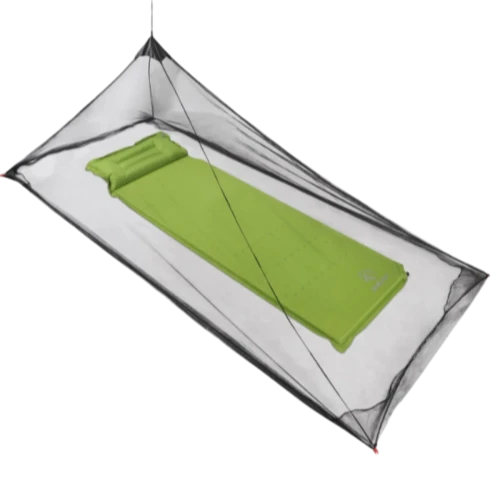
- Metal Frame Nets: Nets with a physical hanging or standing frame for easier setup, common in travel or camping.
- Pop-up Nets: Portable and self-supporting, great for rapid deployment in emergencies or outdoors.
All these types share the same goal — protection — but their application depends heavily on context, and often multiple types exist side-by-side in one region to suit varied needs.
Mini Takeaway:
Picking the right mosquito net isn’t trivial. It’s about matching type to environment, lifecycle, and user behavior.
Key Features That Define Mosquito Nets
1. Durability & Maintenance
While the mesh size must be fine enough to block mosquitoes (usually 156 holes per inch or finer), the fabric's strength varies. LLINs are designed to withstand multiple washes without loss of insecticidal effect. In contrast, untreated nets may degrade quickly, requiring replacement or repair.
2. Insecticide Effectiveness
The insecticide used not only kills but also deters insects. Pyrethroid-based treatments are common, but resistance is a growing concern. Research into alternative chemicals or combinations is ongoing.
3. Ease of Installation
Some nets come as simple sheets with loops to hang, while others feature built-in frames or pop-up designs. In remote or emergency settings, ease of setup directly affects usage rates.
4. Portability
For travelers, NGOs, or emergency teams, lightweight and foldable nets offer unmatched convenience.
5. Cost Efficiency
Balancing product lifespan and upfront cost can be tricky. LLINs cost more but save money in the long term by reducing disease transmission and replacement frequency.
6. Cultural Compatibility
Shapes (rectangular, conical), colors, and materials can influence local acceptance — a key factor for sustained use.
Mini Takeaway:
These features collectively help tailor different types of mosquito net for specific real-world scenarios.
Real-World Applications: Who Uses Mosquito Nets and How?
In Sub-Saharan Africa, LLINs are distributed at scale by governments and NGOs to combat malaria. The WHO estimates that over 2 billion nets have been distributed globally since 2000.
In Southeast Asia, untreated and insecticide-treated nets help reduce dengue fever outbreaks, often combined with other vector-control measures.
In refugee camps and post-disaster zones, quick-setup pop-up and metal frame nets are invaluable. For example, during the Rohingya crisis in Bangladesh, emergency aid organizations provided these nets to tens of thousands overnight to prevent malaria flare-ups amidst crowded conditions.
Even remote industrial camps in parts of Latin America rely on mosquito nets to maintain worker safety and reduce downtime caused by illnesses.
Mini Takeaway:
From public health to private usage, different mosquito nets play diverse roles — each essential in its right context.
Advantages & Lasting Value of Mosquito Nets
- Cost-effective disease prevention: Compared to medicines or hospital stays, mosquito nets offer a low-cost, scalable protective barrier.
- Environmental Sustainability: LLINs reduce the need for fumigation and chemical spraying, which can harm ecosystems.
- Empowering communities: Safe sleeps mean improved productivity, school attendance, and even social dignity.
- Trusted technology: The tried-and-tested nature of mosquito nets gives confidence to donors, governments, and users alike.
Plus, it’s kind of reassuring at night to know a thin piece of fabric combined with clever chemistry is actively working for your peace of mind.
Future of Mosquito Nets: Innovations Worth Watching
The future isn’t just netting that blocks bugs — it’s smart fabrics, self-repairing meshes, and biodegradable materials that don’t add to landfill. Some companies are experimenting with nets treated with combinations of insecticides to overcome resistance.
Digital tracking for net usage and durability could soon let health agencies track effectiveness in real-time and deploy replacements more judiciously — leading to better resource use.
Plus, production increasingly leans toward environmentally friendly methods, aligning mosquito nets with larger sustainability goals.
Challenges & How We Tackle Them
One nagging problem is the loss of insecticide potency after repeated washing. Many argue for periodic retreatment, but logistics remain challenging.
Cultural acceptance can also limit use. For instance, conical nets may not fit local sleeping styles or bed frames, discouraging adoption. Education often bridges this gap.
Resistance to insecticides is another evolving threat. Researchers are experimenting with novel compounds and physical net innovations to stay ahead.
Overall, collaboration between health experts, manufacturers, and communities is crucial — no magic bullet, but many promising paths.
Product Specification Table: Typical Mosquito Net Types
| Type | Fabric | Insecticide Treatment | Lifespan | Shape |
|---|---|---|---|---|
| Untreated Net | Polyester or cotton mesh | None | 6–12 months | Rectangular or conical |
| Insecticide-Treated Net (ITN) | Polyester mesh | Pyrethroid | 6 months (after treatment) | Rectangular or conical |
| Long-Lasting Insecticidal Net (LLIN) | Polyester or polyethylene | Pyrethroid incorporated into fibers | 3–5 years | Rectangular or conical |
| Pop-up Net | Polyester mesh with flexible frame | Varies, often untreated | 1–3 years (depending on care) | Round or dome-shaped |
Vendor Comparison Table: Leading Mosquito Net Providers
| Vendor | Main Product | Price Range (per net) | Insecticide Technology | Target Markets |
|---|---|---|---|---|
| A-Z Textile Mills Ltd. | PermaNet LLIN | $3.00 - $5.00 | Deltamethrin embedded fiber | Africa, Southeast Asia |
| Vestergaard | Olyset Net | $3.50 - $6.00 | Permethrin into polyethylene | Global, emergencies |
| Sumitomo Chemical | Interceptor G2 LLIN | $4.00 - $7.00 | Combination of alpha-cypermethrin and chlorfenapyr | High-resistance areas |
| Local NGOs / Suppliers | Standard ITNs & Untreated Nets | $1.50 - $3.00 | Varies (mostly untreated or manually treated) | Local rural markets |
Frequently Asked Questions About Different Types of Mosquito Net
Q: How long does a Long-Lasting Insecticidal Net (LLIN) remain effective?
A: Generally, an LLIN maintains insecticidal effectiveness for up to 3–5 years, depending on wash frequency and handling. They are designed to withstand numerous washes without losing protection, making them more durable than traditional treated nets.
Q: Are pop-up mosquito nets as effective as traditional nets?
A: Pop-up nets offer convenience and are physically effective barriers, but many are untreated or have limited insecticide treatment. They’re ideal for temporary use during travel or emergencies but may not provide long-term insecticide protection.
Q: Can mosquitoes develop resistance to treated nets?
A: Yes, insecticide resistance in mosquito populations is a growing issue. Research is underway exploring new treatment combinations and alternative compounds to maintain effectiveness.
Q: What factors should I consider when choosing a mosquito net?
A: Consider your local mosquito-borne disease risk, net type (untreated vs treated), durability needs, ease of installation, and cultural fit. In areas with high disease transmission, LLINs are usually recommended.
Q: Where can NGOs source reliable mosquito nets for mass distribution?
A: NGOs typically procure nets through certified vendors like A-Z Textile Mills, Vestergaard, and Sumitomo Chemical, or local suppliers with WHO-approved nets. Bulk purchasing and coordination with health authorities help ensure quality.
Wrapping It Up: Mosquito Nets Are More Than Just Fabric
In real terms, the myriad different types of mosquito net out there represent decades of combined scientific, humanitarian, and commercial innovation. They’re a frontline defense that saves lives, protects dignity, and helps build healthier communities worldwide. Whether you’re buying for a family trip or working with an NGO in vector control, knowing the options is the first step to making the right choice.
If you want to explore more about mosquito nets and different types of mosquito net, including sourcing and technology advances, don’t hesitate to visit our website. Stay protected, informed, and curious.
— A mosquito net might just be the simplest, most impactful product you never paid enough attention to.
References:



Latest news
-
Best Guide to Choose a Screen Door for Sliding Door for Your Home
NewsApr.16,2026 -
The Ultimate Guide to Choosing a screen door for a sliding door
NewsApr.09,2026 -
Choosing the Perfect Patio Sliding Screen Door for Your Home
NewsApr.07,2026 -
Choosing the Best Patio Screen Door with Frame for Your Home and Lifestyle
NewsApr.04,2026 -
Comprehensive Guide to Net Sliding Door Price Factors and Options
NewsMar.31,2026 -
Enhance Your Outdoor Space with a Durable Net Sliding Door for Balcony
NewsMar.28,2026 -
Discover the Benefits of Net Door Sliding Systems for Modern Homes
NewsMar.26,2026