

Nov . 24, 2025 00:00 Back to list
Why a Quality Mosquito Net Is Crucial for Global Health and Safety
Understanding Quality Mosquito Nets: Why They Matter More Than Ever
When you think of mosquito nets, you might picture a simple mesh hanging over a bed, right? But a quality mosquito net is way more than just a screen. Globally, these nets play a pivotal role in protecting millions from diseases like malaria, dengue, and Zika virus. According to the World Health Organization, mosquito-borne illnesses cause over 400,000 deaths annually — mostly in vulnerable regions with scarce resources. That’s why understanding the nuances of quality in mosquito nets isn’t just a health matter; it’s a lifesaver and a vehicle of dignity and comfort.
Why Quality Mosquito Nets Matter on a Global Scale
Across Africa, Asia, and parts of Latin America, mosquito nets aren’t a luxury — they’re a necessity. UN reports highlight that insecticide-treated nets (ITNs) reduced malaria cases by 30% in the last decade, but the struggle remains: counterfeit, low-quality nets flood markets, and durability is lacking. A cheap net that tears within weeks is no net at all. The stakes? Lives, health, and economic productivity.
Problem is, it’s easy to overlook what "quality" really means here. It goes beyond thread count or mesh size. It’s about material strength, insecticide efficacy, environmental safety, and cultural usability. And frankly, when you’ve seen a community where a single net serves multiple people for years, you get how important it is to get these details right.
What Exactly Is a Quality Mosquito Net?
Put simply, a quality mosquito net is an effective barrier against mosquitoes, constructed using durable materials and treated with safe yet potent insecticides. It’s designed to last, resist wear and tear, and maintain effectiveness under varying environmental conditions. Modern quality nets combine textile innovation, health standards, and user-centered design — whether for refugee camps, rural homes, or urban clinics.
In industry terms, a quality mosquito net also aligns with international standards such as ISO 9001 manufacturing practices and WHO-recommended insecticide treatments. So it’s a blend of craftsmanship and science, meeting both humanitarian needs and commercial demands.
Core Components That Define Quality
Durability
Strong polyester or polyethylene yarns with tight knitting ensure the net doesn’t easily tear or fray. Durability means longer use, fewer replacements, and ultimately better protection.
Mesh Size and Thread Count
The mesh has to be fine enough (usually around 156 holes per square inch) to keep even tiny mosquitoes out — but not so dense it restricts airflow or increases heat. Balancing protection and comfort is tricky but crucial.
Insecticide Treatment
Impregnated nets (ITNs) use long-lasting insecticides like permethrin that kill mosquitoes on contact. The treatment must last through multiple washes — typically 20 or more — without reducing efficacy. This is a real technical challenge manufacturers face.
Safety and Environmental Compliance
Human safety is paramount. The insecticides used should be WHO-approved and non-toxic to humans. Environmental considerations like biodegradability or recycling potential are growing demands as green policies tighten worldwide.
User-Centered Design
Features like easy installation, size options, and cultural adaptability enhance acceptance and correct use — because the best net in the world is useless if nobody can or wants to use it.
Mini Takeaway: It turns out, quality mosquito nets are science meets solidarity — technical specs fused with human needs. You can’t skimp on these factors without jeopardizing public health.
How Quality Mosquito Nets Are Making a Difference Globally
Quality mosquito nets find their way into varying contexts. In sub-Saharan Africa, NGOs distribute millions of nets annually, targeting malaria hotspots. Southeast Asian countries use treated nets in urban slums to combat dengue outbreaks. In Latin America, post-disaster housing often incorporates mosquito netting to safeguard displaced families.
Industrial settings, too, benefit: remote mining camps and agricultural workers rely on quality nets to maintain health and productivity. Hospitals and clinics include them as essential infection control tools, especially in tropical zones.
Consider a case from Kenya, where a quality net distribution program reported not only reduced malaria incidence but also increased school attendance among children because illness dropped significantly. These multi-sectoral wins highlight why investment in quality nets pays dividends beyond health alone.
Advantages and Long-Term Value of Quality Mosquito Nets
- Cost-effectiveness: While initially pricier, durable and insecticide-treated nets minimize replacement costs and reduce medical expenses.
- Sustainable protection: Resistant to washing, wear, and environmental damage.
- Social Impact: Empowers communities with safer sleeping environments, reducing anxiety over disease exposure.
- Reliability: Tested and certified products nurture trust among users and health workers alike.
There’s an emotional side too: quality nets provide peace of mind. In many cultures, sleeping under a net symbolizes care and protection — a simple yet profound act of dignity.
Quality Mosquito Net Product Specifications
| Feature | Specification | Industry Standard |
|---|---|---|
| Material | Polyester / Polyethylene yarn | WHO Guidelines |
| Mesh Size | 156 holes per square inch | ISO 9092 |
| Insecticide | Permethrin or Deltamethrin (LLIN) | WHO Pesticide Evaluation Scheme (WHOPES) |
| Treatment Longevity | 20+ washes | WHO Testing Protocols |
| Dimensions | Varies (Single to Family Size) | User-centered design |
Vendor Comparison: Choosing the Right Supplier for Quality Mosquito Nets
| Vendor | Product Range | Certifications | Pricing Level | Delivery Time |
|---|---|---|---|---|
| NetSafe Global | Standard & LLIN types | WHO, ISO 9001 | Mid | 3-4 weeks |
| SafeSleep Industries | High-end LLIN & custom sizes | WHO, WHOPES certified | High | 4-6 weeks |
| EcoNet Solutions | Bio-degradable nets, ITNs | ISO 14001, WHO | Mid to High | 5 weeks |
Emerging Trends in Quality Mosquito Net Technology
It’s not just about old-school polyester and insecticides anymore. Innovations abound:
- Bio-based and biodegradable fibers: cracking the sustainability code while maintaining performance.
- Smart nets: embedding sensors for usage tracking and mosquito activity monitoring (a bit sci-fi, but getting real).
- Digital supply chains: improving delivery and authenticity verification, battling counterfeit nets.
- Combined health solutions: nets infused with repellents and nutrients, multitasking protective gear.
These trends hint at a future where quality mosquito net manufacturing becomes greener and smarter, shaping public health strategies in ways we haven’t fully grasped yet.
Hurdles and How to Overcome Them
Of course, challenges persist. For starters, affordability remains a big concern in low-income communities — even the best nets are worthless if out of reach. Plus, maintenance and education on proper use lag behind distribution in many areas. Another snag is environmental impact, especially with non-biodegradable plastics piling up.
Addressing these needs more holistically means blending subsidies with awareness campaigns and encouraging innovation in materials science. Partnerships between governments, NGOs, and private sectors tend to be the most successful approach. Frankly, it’s a marathon, not a sprint.
FAQ: Common Questions About Quality Mosquito Nets
1. How long does a quality mosquito net typically last?
Generally, a well-made insecticide-treated net lasts about 3–5 years with regular use, assuming proper care. The insecticide remains effective for at least 20 washes, but physical durability depends on material quality and handling.
2. Are insecticide-treated nets safe for children and pregnant women?
Yes, when approved by WHO, these nets use insecticides like permethrin which are considered safe and have minimal absorption risks. Nevertheless, health authorities recommend limited direct contact and proper ventilation.
3. Can I wash a treated mosquito net without losing its effectiveness?
Yes, but gently. Most LLINs are designed to withstand up to 20 gentle washes before efficacy drops. Using mild soap and air drying is best to preserve the insecticide layer.
4. How do I choose the right size and type of mosquito net?
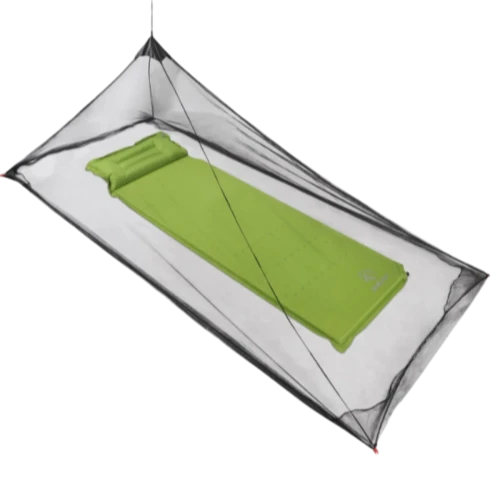
Consider the sleeping arrangement: single, double, family-sized, or bed frame type (rectangular, conical). Also, think about whether an insecticide-treated net or untreated mesh suits your needs, budget, and local vector risks.
5. Where can I find reliable quality mosquito nets?
Look for WHO or ISO certified vendors. Websites like quality mosquito net suppliers list and product comparisons can guide you towards trusted products.
Conclusion: Protecting Lives Starts With Quality Mosquito Nets
Looking back, investing in a quality mosquito net is far more than buying a product — it’s embracing a proven tool in the global fight against mosquito-borne diseases. The right net protects health, enhances well-being, and supports sustainable development goals. Whether you’re a health professional, NGO worker, or community leader, choosing quality nets means fewer illnesses, better sleep, and more hope.
Want to explore high-standard nets tailored to your needs? Visit https://www.crscreen.com and discover the options that combine durability, safety, and trusted performance.
References

Latest news
-
Best Guide to Choose a Screen Door for Sliding Door for Your Home
NewsApr.16,2026 -
The Ultimate Guide to Choosing a screen door for a sliding door
NewsApr.09,2026 -
Choosing the Perfect Patio Sliding Screen Door for Your Home
NewsApr.07,2026 -
Choosing the Best Patio Screen Door with Frame for Your Home and Lifestyle
NewsApr.04,2026 -
Comprehensive Guide to Net Sliding Door Price Factors and Options
NewsMar.31,2026 -
Enhance Your Outdoor Space with a Durable Net Sliding Door for Balcony
NewsMar.28,2026 -
Discover the Benefits of Net Door Sliding Systems for Modern Homes
NewsMar.26,2026