

Mar . 03, 2026 18:55 Back to list
A Detailed Guide to the Installation of Sliding Screen Door for Homeowners
Installation of Sliding Screen Door: A Comprehensive Guide
Sliding screen doors are a fantastic way to enjoy fresh air while keeping insects out of your home. Proper installation of a sliding screen door is crucial for its longevity and effectiveness. This guide will walk you through the process, covering everything from preparing the opening to final adjustments. We'll also discuss common issues and how to troubleshoot them. A well-installed screen door will provide years of enjoyment and protection for your family.
Tools and Materials Needed for Installation
Before you begin, gather all the necessary tools and materials. This will streamline the process and prevent frustrating interruptions. You'll need a measuring tape, a drill with various drill bits, a screwdriver (both Phillips and flathead), a level, a utility knife, a hammer, and safety glasses. Materials will include the sliding screen door kit itself, screws, potentially shims for leveling, and weather stripping. Ensure your screen door kit is the correct size for your opening before starting – accurate measurements are key! Choosing high-quality materials, like those available at CR Screen, will ensure a durable and long-lasting result.
Important Note: Always wear safety glasses during installation to protect your eyes from debris.
Preparing the Door Opening
The first step is to prepare the door opening. Carefully remove any existing screen door or hardware. Inspect the opening for any damage, such as warped frames or loose screws. Repair any damage before proceeding. Clean the opening thoroughly to remove dust and debris, ensuring a clean surface for the new screen door. Finally, use a level to check if the opening is square. If it isn't, you'll need to use shims to create a level surface for proper installation. A level opening is essential for smooth sliding action.
Step-by-Step Installation of Sliding Screen Door
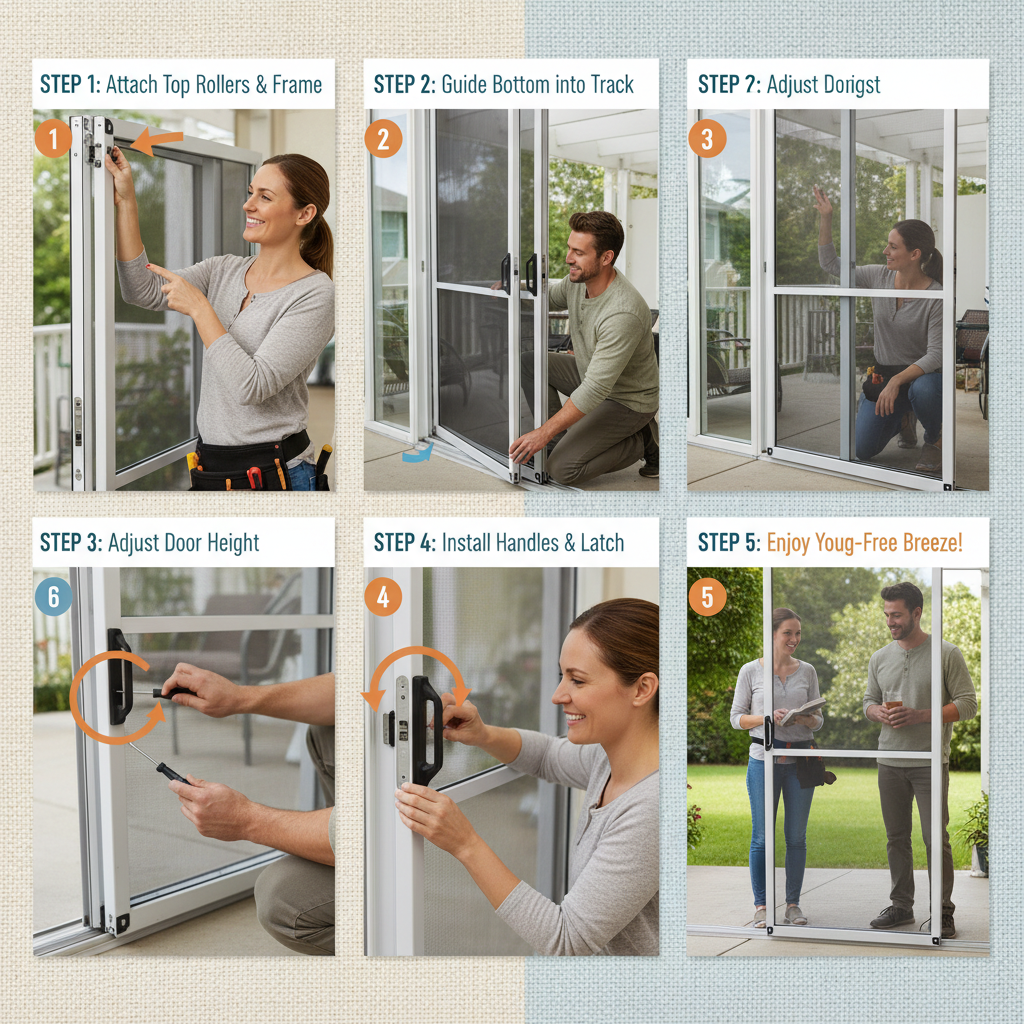
Now it's time to install the screen door. Begin by carefully positioning the screen door frame within the opening. Use shims as needed to ensure it’s level and plumb. Once properly aligned, use a drill to pre-drill holes for the screws. This prevents the wood from splitting. Secure the frame to the door opening using screws. Be careful not to overtighten the screws, as this can also damage the frame. Finally, install the screen itself, following the instructions included with your screen door kit. Most kits involve sliding the screen into grooves within the frame.
Installation Checklist:
• Verify the opening is level and square.
• Pre-drill holes for screws.
• Use shims if necessary.
• Ensure the screen is properly seated in the grooves.
Troubleshooting Common Installation Issues
Sometimes, even with careful preparation, you might encounter issues. A common problem is the screen door not sliding smoothly. This could be due to a misaligned frame or obstructions in the track. Check the alignment and adjust as needed. If the screen door is sagging, tighten the screws or add additional support. If you're experiencing difficulty with the latch, ensure it's properly aligned with the strike plate. Consider checking out CR Screen’s resources for further assistance.
Conclusion: Enjoying Your Newly Installed Screen Door
Proper installation of a sliding screen door is an achievable DIY project with the right tools and guidance. By following these steps and taking your time, you can enjoy years of fresh air and insect-free living. Don't hesitate to consult professional resources, like those offered by CR Screen, if you encounter any difficulties.
Frequently Asked Questions (FAQs)
What type of screen material is best for my sliding screen door?
The best screen material depends on your needs and climate. Fiberglass screens are durable, resist tearing, and are relatively inexpensive. Aluminum screens are even more durable and provide excellent visibility. Pet-resistant screens are available for homes with pets and are designed to withstand scratches and tears. Consider the level of ventilation and privacy you desire when choosing your screen material. CR Screen offers a wide variety of screen materials to suit different needs.
How do I clean my sliding screen door?
Cleaning your sliding screen door is easy. Use a soft brush or cloth and mild soap and water. Avoid using abrasive cleaners, as they can damage the screen material. Gently scrub the screen to remove dirt and debris, then rinse thoroughly with clean water. Allow the screen to air dry completely before sliding the door closed. Regular cleaning will help maintain the appearance and functionality of your screen door.
Can I repair a torn screen myself?
Yes, small tears in your screen can often be repaired yourself using a screen repair kit. These kits typically include a patch and adhesive. Clean the area around the tear, apply the adhesive, and press the patch firmly into place. For larger tears, it may be more cost-effective to replace the entire screen. CR Screen also provides screen repair options and materials.
How often should I replace the weather stripping on my sliding screen door?
The weather stripping on your sliding screen door should be inspected annually and replaced as needed. Over time, weather stripping can become cracked, brittle, or compressed, reducing its effectiveness. Replacing worn weather stripping will help seal the door properly, preventing insects from entering and improving energy efficiency.

Latest news
-
Best Guide to Choose a Screen Door for Sliding Door for Your Home
NewsApr.16,2026 -
The Ultimate Guide to Choosing a screen door for a sliding door
NewsApr.09,2026 -
Choosing the Perfect Patio Sliding Screen Door for Your Home
NewsApr.07,2026 -
Choosing the Best Patio Screen Door with Frame for Your Home and Lifestyle
NewsApr.04,2026 -
Comprehensive Guide to Net Sliding Door Price Factors and Options
NewsMar.31,2026 -
Enhance Your Outdoor Space with a Durable Net Sliding Door for Balcony
NewsMar.28,2026 -
Discover the Benefits of Net Door Sliding Systems for Modern Homes
NewsMar.26,2026