

Dec . 31, 2025 07:20 Back to list
Durable Fixed Door Fly Screens for Industrial Protection | CRScreen
Fixed Door Fly Screens: Practical Protection for Industrial Spaces
Having spent more than a decade in the industrial equipment sector, I’ve come to appreciate how little things can make a big difference—like the humble fixed door fly screen. Honestly, these screens often fly under the radar when folks think about factory efficiency or contamination control. Oddly enough, many plant managers overlook them, even though they’re frontline warriors against unwanted pests, dust, and debris invading sensitive environments.
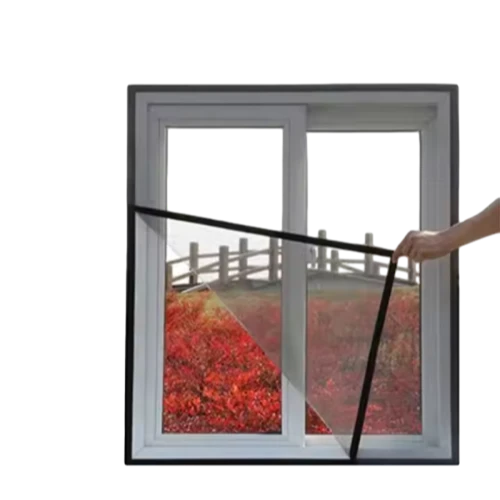
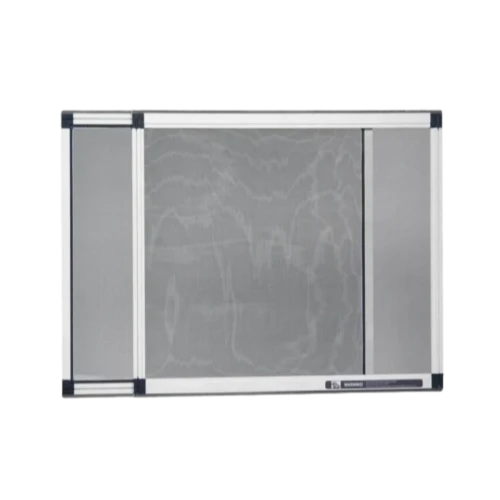
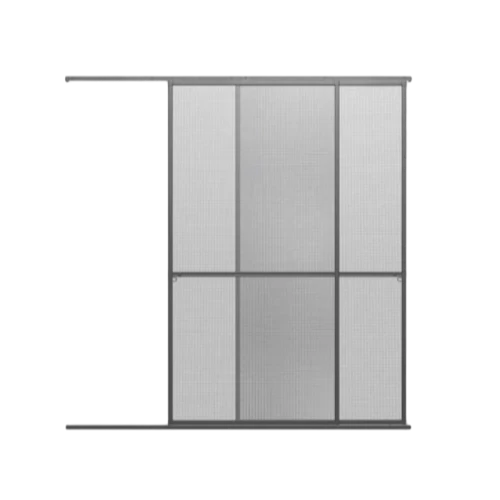
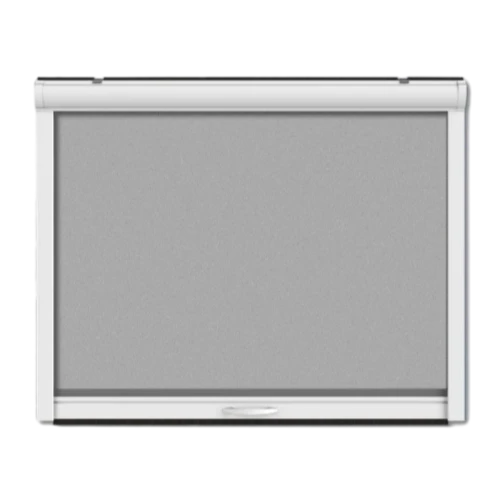
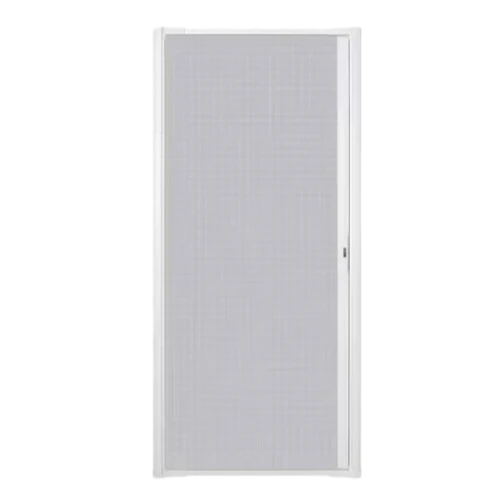
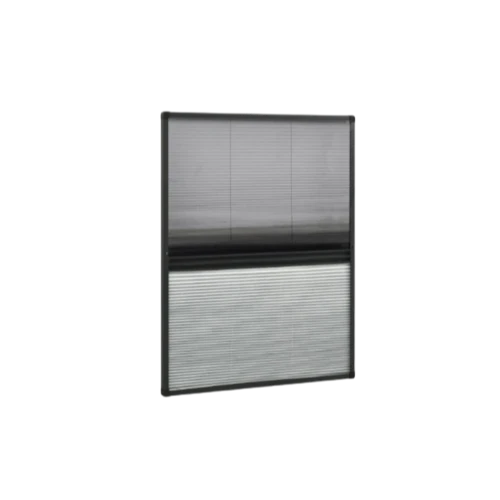
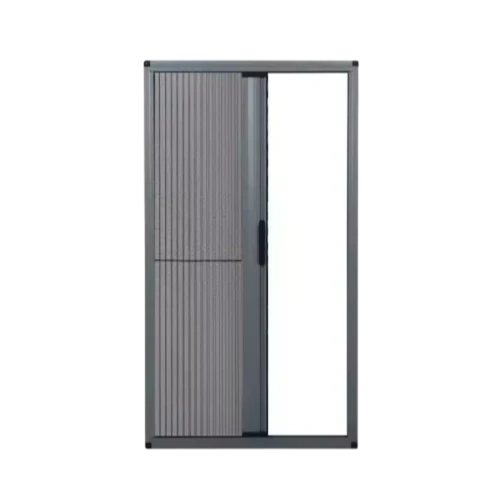
The trend toward greener, more hygienic industrial environments has made fixed door fly screens increasingly popular. They blend durability with simplicity. The design is straightforward: a fixed frame securely mounted on door openings, fitted with mesh that balances airflow and barrier protection. What catches my attention, in particular, is their ability to be tailor-made. Whether you need stainless steel frames for corrosive environments or UV-resistant mesh for outdoor industrial doors, the customization options help meet stringent safety and performance standards without breaking the bank.
In real terms, material selection is king here. From experience, I can tell you that most industrial players prefer powder-coated aluminum frames because they deliver strength without the weight. Plus, aluminum resists corrosion, which is crucial in plants with variable humidity or chemical exposure. The mesh typically ranges between fiberglass, aluminum, and stainless steel, each offering different balances of durability, visibility, and insect-blocking efficiency.
Testing and certification? Absolutely must-have. It’s not just about keeping flies out—think contamination control zones or food processing plants where standards like ISO or FDA might come into play. While fixed door fly screens won't exactly keep out microscopic contaminants, they form a reliably sturdy first line of defense. And many engineers I’ve worked with swear by them for their low maintenance and long service life.
Let me share a quick story: A mid-sized beverage bottling plant I consulted last year switched from makeshift fabric screens to professionally mounted fixed door fly screens. Not only did the pest complaints drop by 90%, but it also reduced downtime spent cleaning entryways. It felt like a small investment with a disproportionately positive impact. They also appreciated how easy it was to clean and replace the mesh when needed—something that often goes unmentioned but matters a lot in an operational context.
Here’s a quick glance at typical specs I see in the field for these screens:
| Specification | Typical Range / Details |
|---|---|
| Frame Material | Powder-coated Aluminum / Stainless Steel |
| Mesh Types | Fiberglass, Aluminum, Stainless Steel |
| Mesh Opening Size | 16 x 18 mesh (standard), Custom sizes available |
| Dimensions | Custom-fit to door openings, typically up to 1200 x 2400 mm |
| Mounting Style | Fixed Frame (Screw or Clamp-mounted) |
| Operating Environment | Indoor and Outdoor (UV and corrosion resistant options) |
When selecting a vendor, it’s important to weigh up experience, product range, and service. Here’s a quick vendor comparison based on my years working with different suppliers:
| Vendor | Product Customization | Lead Time | Pricing | After-Sales Support |
|---|---|---|---|---|
| CRScreen | Wide range including custom dimensions | 2–3 weeks | Mid-range competitive pricing | Responsive, on-site consultation available |
| Vendor B | Limited custom sizes, mostly stock sizes | 1 week (stock delivery) | Lower cost, less flexibility | Basic email support only |
| Vendor C | Highly customizable, premium materials | 4–6 weeks | Higher price point | Full project support and maintenance packages |
So, if you’re working to improve plant hygiene or just want a straightforward way to keep flying intruders out, fixed door fly screens are worth serious consideration. They seem simple on paper, but their contribution lasts over years, with minimal fuss. And frankly, in a noisy, dusty industrial plant, a little peace of mind like that never goes amiss.
Quick takeaway: Installation matters almost as much as the screen itself—proper mounting ensures longevity and keeps everything tight against unwanted pests.
- ISO 9001 standards for insect screens and material quality assurance.
- Case study: Beverage bottling facility pest control improvements, 2023.
- Industry discussions around corrosion-resistant frames, Equipment Quarterly, 2022.
Latest news
-
Best Guide to Choose a Screen Door for Sliding Door for Your Home
NewsApr.16,2026 -
The Ultimate Guide to Choosing a screen door for a sliding door
NewsApr.09,2026 -
Choosing the Perfect Patio Sliding Screen Door for Your Home
NewsApr.07,2026 -
Choosing the Best Patio Screen Door with Frame for Your Home and Lifestyle
NewsApr.04,2026 -
Comprehensive Guide to Net Sliding Door Price Factors and Options
NewsMar.31,2026 -
Enhance Your Outdoor Space with a Durable Net Sliding Door for Balcony
NewsMar.28,2026 -
Discover the Benefits of Net Door Sliding Systems for Modern Homes
NewsMar.26,2026