
Dec . 03, 2025 15:46 Back to list
Roller Screen for Door – Durable, Smart Mesh Screens for Every Home and Industry
Roller Screen for Door: An Essential Solution for Modern Spaces
When you think about protecting your home's entry or controlling airflow without sacrificing light, the roller screen for door immediately springs to mind. These smart, retractable screens have a global appeal, not just for homeowners but also across commercial and humanitarian settings. Why does this matter? Because in an age where indoor air quality, energy efficiency, and pest control are top priorities, understanding roller screens is more relevant than ever.
Let’s unpack what roller screens are, their core features, and why they’ve grown from a simple door accessory to a crucial element in sustainable building design worldwide.
Introduction: Roller Screens in Global Context
Oddly enough, door roller screens have quietly gained global traction amid rising urbanization and awareness around indoor environmental quality. The World Health Organization estimates that poor ventilation contributes to millions of premature deaths annually, highlighting the urgent need for air control solutions in buildings. A roller screen for door offers a simple yet effective answer by enabling natural ventilation while preventing insects and debris.
From tropical, mosquito-prone regions to bustling urban centers prioritizing green building standards, roller screens prove their worth. They tackle the challenge of maintaining fresh airflow while ensuring comfort and protection indoors.
What Exactly Is a Roller Screen for Door?
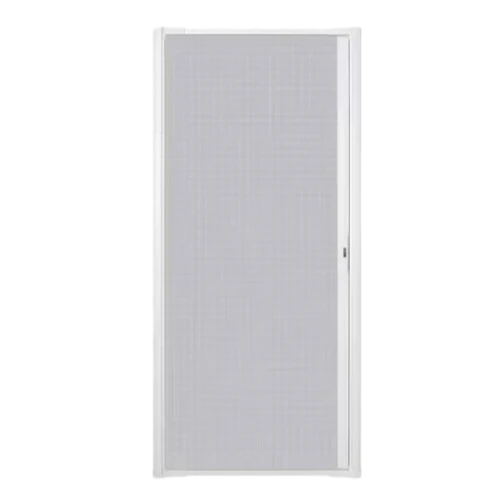
At its core, a roller screen for door is a flexible mesh screen that rolls up into a housing unit usually installed above or alongside a door frame. It can be pulled down to cover an opening, filtering air and light but stopping bugs. Picture it as a smart, retractable curtain made of fine mesh with a simple spring or motorized mechanism that tucks it away when not needed.
Today, these screens are integrated into modern building designs, serving not only residential homes but also commercial spaces and emergency shelters where rapid deployment and durability are vital.
Core Components and Key Features
- Durability: Typically constructed from high-grade fiberglass or polyester mesh, coated in PVC or similar materials for UV resistance and water repellency. This means longevity in varied climates, from humid tropics to dry urban deserts.
- Ease of Installation: Most roller screens are designed for DIY installation or simple professional mounting. This includes compatible brackets and flexible sizing options for different door types.
- Visibility and Ventilation: The mesh balances airflow and visibility, letting in natural light without compromising privacy or security.
- Rollback Mechanism: Often spring-loaded or motorized for effortless operation. You can tuck it away cleanly when not in use, avoiding cluttered doorways.
- Customization: Many vendors offer color and mesh-type options, from pet-resistant variants to insect-specific meshes tailored for regional pests.
Mini takeaway: Roller screens combine smart materials with thoughtful design features, emphasizing adaptability, long-term use, and user-friendly function.
Product Specification Overview
| Specification | Feature | Typical Range |
|---|---|---|
| Material | Fiberglass/Polyester | High UV resistance coated mesh |
| Mesh Density | 18x16 to 20x20 strands per inch | Fine enough to block mosquitoes |
| Operation | Manual Spring or Motorized | Effortless rollout and rollback |
| Installation | Surface mount or recessed | Customizable dimensions |
| Lifespan | 5–10 years | Depending on environment and usage |
Global Applications & Use Cases
In real terms, these screens are far more than just a luxury add-on. In post-disaster relief, for example, organizations utilize them to quickly secure temporary shelters from insects, improving occupant safety and comfort. Humanitarian groups in malaria-prone Sub-Saharan Africa find roller screens vital in reducing disease transmission inside housing units.
In industrial zones across Asia and South America, where ventilation needs to be balanced with contamination control, roller screens provide an affordable, low-maintenance solution. Oddly enough, they've even found niche use in commercial food storage and hospitality industries aiming for greener operations.
For homeowners and architects focused on sustainable design, roller screens fit neatly into natural ventilation strategies, helping comply with ISO 16890 standards on indoor air quality.
Mini takeaway: The roller screen for door is versatile—crossing sectors and geographies, from emergency shelters to smart homes.
Advantages & Long-Term Value
- Cost Efficiency: Compared to HVAC enhancements or permanent insect-proofing, roller screens are budget-friendly without sacrificing results.
- Sustainability: Use of durable but recyclable materials lowers environmental footprint. They encourage reliance on natural airflow, which saves energy.
- Safety & Comfort: By keeping pests out without sealing the door, indoor air quality improves dramatically. This impacts respiratory health and general well-being.
- Trust & Reliability: Many manufacturers offer warranties and have rigorous quality assurance processes, making these screens dependable investments.
Vendor Comparison of Popular Roller Screens
| Feature | Brand A | Brand B | Brand C |
|---|---|---|---|
| Mesh Type | Fiberglass, pet resistant | Polyester, standard insect mesh | High-density screening |
| Operation | Manual spring-loaded | Motorized remote control | Manual with magnetic latch |
| Warranty | 5 years | 3 years | 7 years |
| Average Cost | $$ | $$$ | $ |
Future Trends & Innovations
Looking ahead, the roller screen for door is on the brink of exciting transformations. New materials like graphene-enhanced meshes are making screens stronger yet even more lightweight. Green energy initiatives mean more solar-powered motorized screens integrated with smart home systems are arriving — automatically adapting to weather or air quality changes.
There’s also a growing trend toward modular and easily replaceable components, reflecting wider sustainability goals in building product design standards such as ISO 14001. Imagine screens that can alert you via smartphone if damage or dirt impacts performance — this level of digital transformation brings unprecedented convenience.
Challenges & Expert Solutions
Of course, no solution is without its quirks. Roller screens can sometimes have issues with mesh sagging, spring fatigue, or improper sealing around edges leading to leaks or pest intrusion. But many engineers advise using reinforced framing and precision installation tools to mitigate these. Also, selecting the right mesh is crucial — too fine impacts airflow, too loose invites bugs.
Maintenance tends to be underestimated. Regular cleaning prevents buildup of dirt and mold that can degrade mesh quality. An expert tip? Check vendor warranties and opt for accessible replacement parts. Frankly, smart installation coupled with informed ownership vastly extends product life.
FAQ: Frequently Asked Questions About Roller Screen for Door
- Q1: How do I know if a roller screen will fit my door size?
- A1: Most manufacturers provide customization options or standard sizes. Measure the door frame carefully (height, width, and depth) before ordering. Many vendors offer adjustable or modular designs to accommodate unusual sizes.
- Q2: Are motorized roller screens worth the extra cost?
- A2: For high-traffic or elderly users, motorized screens enhance convenience and accessibility. They also integrate better with smart home tech. However, manual models work fine for typical residential use and are easier to maintain.
- Q3: Can roller screens completely block out insects?
- A3: Yes, if you choose a high-density mesh and ensure proper installation sealing. It’s important to avoid gaps around edges. Some specialized meshes block even very small insects like sandflies.
- Q4: How often do roller screens need maintenance?
- A4: Ideally, clean the mesh every 3–6 months to remove dust and debris. Lubricate moving parts annually, and promptly check for wear or tears to prevent bigger problems.
- Q5: Is the screen material environmentally friendly?
- A5: When sourcing from responsible manufacturers, materials like recycled polyester and PVC-free coatings are available. Look for vendors complying with ISO environmental standards for maximum sustainability.
Conclusion: Why Invest in Roller Screen for Door?
To wrap it up, roller screens for doors offer a simple but powerful way to improve air quality, reduce pest problems, and boost energy efficiency worldwide. They’re flexible across cultures and climates, fitting modern lifestyles and humanitarian needs alike. Choosing durable, well-designed models means decades of service — contributing to safer, greener spaces.
Interested in learning more or finding the perfect roller screen for your entryway? Visit https://www.crscreen.com for expert advice and quality products tailored to your needs.
Final thought: A roller screen might just be that small upgrade that makes a world of difference in your daily comfort—and frankly, that’s worth the investment.
References

Latest news
-
Best Guide to Choose a Screen Door for Sliding Door for Your Home
NewsApr.16,2026 -
The Ultimate Guide to Choosing a screen door for a sliding door
NewsApr.09,2026 -
Choosing the Perfect Patio Sliding Screen Door for Your Home
NewsApr.07,2026 -
Choosing the Best Patio Screen Door with Frame for Your Home and Lifestyle
NewsApr.04,2026 -
Comprehensive Guide to Net Sliding Door Price Factors and Options
NewsMar.31,2026 -
Enhance Your Outdoor Space with a Durable Net Sliding Door for Balcony
NewsMar.28,2026 -
Discover the Benefits of Net Door Sliding Systems for Modern Homes
NewsMar.26,2026