

Mar . 04, 2026 02:45 Back to list
Comprehensive Guide to Installing Fly Screen Sliding Door for Enhanced Home Comfort
Installing Fly Screen Sliding Door: A Comprehensive Guide
Protecting your home from insects while enjoying fresh air is easily achievable with a fly screen sliding door. This guide will walk you through the process of installing fly screen sliding door, covering everything from preparation to final adjustments. We'll explore the benefits of these screens, the tools needed, and step-by-step instructions for a successful installation. Ensuring a proper fit not only keeps bugs out but also enhances your home's comfort and value.

Benefits of Fly Screen Sliding Doors
Fly screen sliding doors offer a multitude of benefits. They provide excellent insect protection, allowing you to keep doors and windows open without unwanted visitors. They also improve ventilation, contributing to a healthier indoor environment. Compared to traditional screens, sliding doors offer unobstructed views and are easier to operate. They also add value to your home and are a cost-effective way to improve comfort and quality of life. Proper installation, utilizing quality components from suppliers like CRScreen, ensures long-lasting performance and reliability.
Key Benefits: Excellent insect protection, improved ventilation, unobstructed views, easy operation, and increased home value.
Tools and Materials Needed for Installation
Before you begin, gather all necessary tools and materials. This will streamline the installation process and prevent frustrating interruptions. Essential tools include a measuring tape, spirit level, drill with appropriate bits, screwdriver set, hacksaw or miter saw, rubber mallet, and a utility knife. Materials will consist of the fly screen sliding door kit (including frame, mesh, and rollers), screws, sealant, and potentially corner connectors depending on the frame type. Choosing high-quality materials, like those offered by CRScreen, is crucial for a durable and effective installation.
Essential Tools & Materials:
• Measuring tape
• Spirit level
• Drill and bits
• Screwdriver set
• Hacksaw/Miter saw
• Fly screen sliding door kit
Step-by-Step Guide to Installing Fly Screen Sliding Door
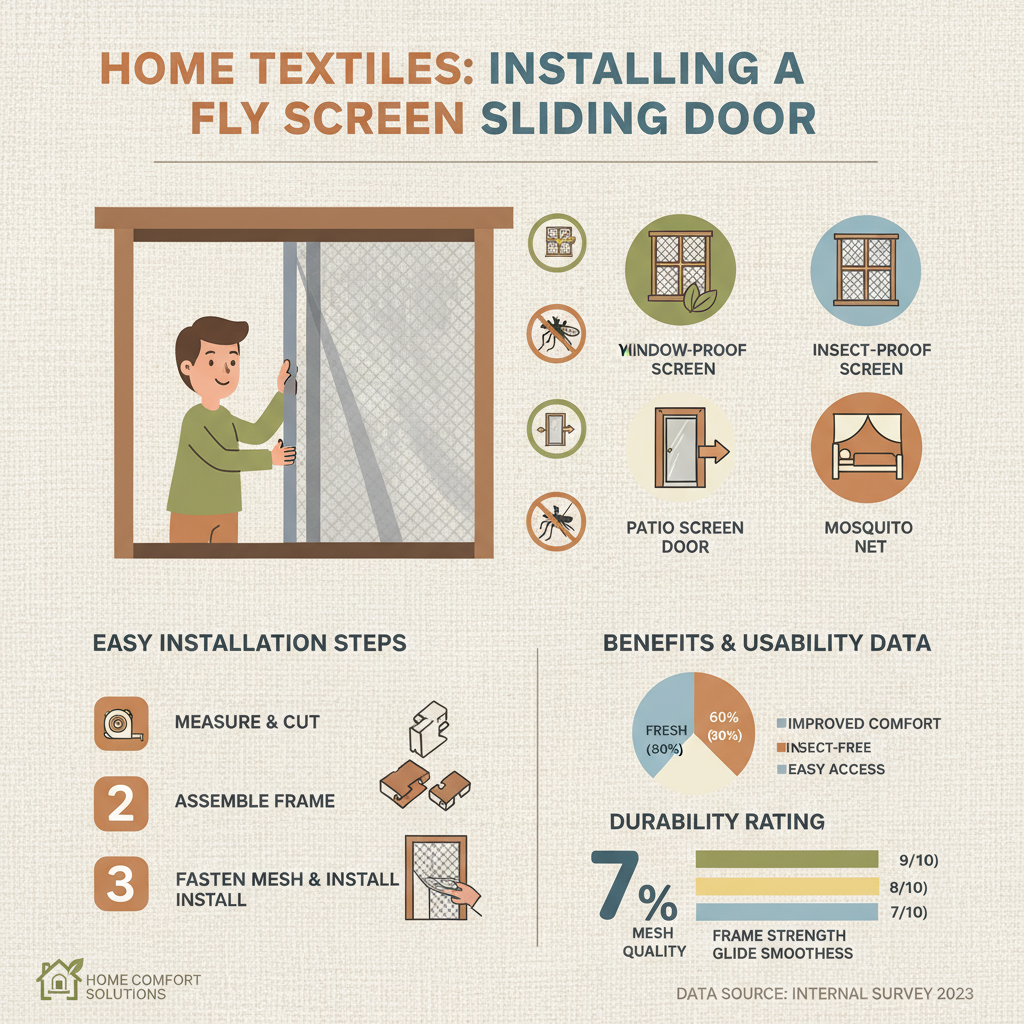
The installation process can be broken down into several key steps. First, accurately measure the door opening to ensure a proper fit. Next, cut the frame components to the correct size using a hacksaw or miter saw. Assemble the frame, ensuring it’s square and level. Install the mesh into the frame, securing it with the provided retaining strips. Finally, install the rollers and hang the sliding door within the opening. Remember to use a spirit level throughout the process to guarantee a smooth-operating door. For detailed instructions, referring to the manufacturer's guide and watching tutorial videos can be highly beneficial.
Choosing the Right Fly Screen Material and Frame Type
The material of the fly screen and the type of frame significantly impact the durability and performance of the door. Fiberglass mesh is a popular choice due to its strength and resistance to tearing. Aluminum frames are lightweight, rust-resistant, and offer excellent structural support. Consider your budget and aesthetic preferences when selecting materials. CRScreen offers a range of materials and frame options to suit various needs and budgets.
Maintenance and Troubleshooting
Regular maintenance will ensure your fly screen sliding door continues to function smoothly for years to come. Clean the mesh regularly with mild soap and water to remove dust and debris. Inspect the rollers and tracks for any obstructions. If the door becomes difficult to slide, lubricate the tracks with silicone spray. For minor tears in the mesh, repair kits are available. Addressing issues promptly will prevent more significant problems from developing. For any complex repairs or issues, consult a professional installer.
Conclusion: Enjoy Bug-Free Living with a Properly Installed Fly Screen Sliding Door
Installing a fly screen sliding door is a worthwhile investment that enhances your home’s comfort and protects your family from insects. By following these steps and choosing quality materials from suppliers like CRScreen, you can enjoy years of bug-free living. Don't hesitate to seek professional assistance if needed, ensuring a perfect fit and optimal performance.
Frequently Asked Questions (FAQs)
What is the best type of mesh for a fly screen sliding door?
Fiberglass mesh is generally considered the best option for most applications. It's durable, resists tearing, and is relatively affordable. Aluminum mesh is also a good choice, offering even greater durability but at a higher cost. The mesh's density determines how effective it is at keeping out small insects. Choosing a mesh with a smaller aperture will provide better protection, but may slightly reduce visibility.
How do I repair a tear in the fly screen mesh?
Small tears can often be repaired using a fly screen repair kit, which includes a patch and adhesive. Clean the area around the tear thoroughly. Cut a patch slightly larger than the tear and apply the adhesive to the back of the patch. Carefully apply the patch to the tear, smoothing out any air bubbles. Larger tears may require replacing the entire mesh panel.
How do I clean my fly screen sliding door?
Regular cleaning is essential to maintain the effectiveness of your fly screen. Use a soft brush or cloth with mild soap and water to gently clean the mesh. Avoid using harsh chemicals or abrasive cleaners, as these can damage the mesh. Rinse thoroughly with clean water and allow to dry completely. For stubborn dirt or debris, a soft-bristled brush can be used.
What should I do if the sliding door is difficult to open or close?
A difficult sliding door is often caused by dirt or debris in the tracks. Clean the tracks thoroughly with a vacuum cleaner and a soft brush. Lubricate the tracks with silicone spray to help the door slide smoothly. Inspect the rollers for damage and replace them if necessary. Ensure the door is properly aligned and that there are no obstructions.
Latest news
-
Best Guide to Choose a Screen Door for Sliding Door for Your Home
NewsApr.16,2026 -
The Ultimate Guide to Choosing a screen door for a sliding door
NewsApr.09,2026 -
Choosing the Perfect Patio Sliding Screen Door for Your Home
NewsApr.07,2026 -
Choosing the Best Patio Screen Door with Frame for Your Home and Lifestyle
NewsApr.04,2026 -
Comprehensive Guide to Net Sliding Door Price Factors and Options
NewsMar.31,2026 -
Enhance Your Outdoor Space with a Durable Net Sliding Door for Balcony
NewsMar.28,2026 -
Discover the Benefits of Net Door Sliding Systems for Modern Homes
NewsMar.26,2026