

Nov . 29, 2025 02:10 Back to list
Flexible Mosquito Nets: Global Impact, Applications & Benefits Explained
The Growing Importance of Flexible Mosquito Nets Globally
Mosquito-borne diseases have long been a persistent global health challenge, with millions affected annually. Flexible mosquito nets, a seemingly simple but hugely effective technology, are one frontline defense in reducing these impacts. Understanding what a flexible mosquito net truly is, and why it matters, can be pivotal — whether you’re in public health, humanitarian response, or even industrial sectors where insect control is critical.
Why does this matter so much? Well, according to the World Health Organization, malaria alone caused about 627,000 deaths in 2020, most of which were preventable through proper vector control strategies including bed nets. Enter flexible mosquito nets — lightweight, adaptable, and easy to deploy. They’re more than just screens; they’re lifesavers, comfort providers, and increasingly, a sustainable solution in various climates and use cases.
Mini takeaway: Flexible mosquito nets are a vital, global tool in combatting mosquito-borne illnesses with broad applications from homes to industry and disaster relief.
Global Context: Why Flexible Mosquito Nets Are Gaining Momentum
In many tropical and subtropical regions, the spread of diseases like dengue, Zika, and malaria hinges on controlling mosquito access to humans. The UN estimates that nearly half the world’s population is at risk of these diseases. Unfortunately, rigid or bulky solutions often don’t work well in remote or quickly changing environments.
That’s where flexible mosquito nets fill a crucial gap. Their portability, adaptability, and ease of installation make them ideal in situations ranging from permanent housing in rural Africa to transient camps in Southeast Asia and even industrial sites dealing with ecological challenges.
What’s fascinating is how this seemingly niche product addresses bigger issues: reducing economic burdens from sick days, protecting vulnerable populations (especially children and pregnant women), and contributing to sustainable development goals (SDGs) related to health and well-being.
Mini takeaway: Flexible mosquito nets represent a strategic, globally relevant intervention that aligns with international health and sustainability agendas.
What Exactly is a Flexible Mosquito Net?
At its core, a flexible mosquito net is a finely woven mesh fabric designed to block mosquitoes and other flying insects. Unlike rigid screens or fixed netting, these nets bend, fold, and can be adapted to irregular shapes and surfaces. Usually made from polyester, polyethylene, or often with insecticide treatment, these nets are engineered for durability and ease of use.
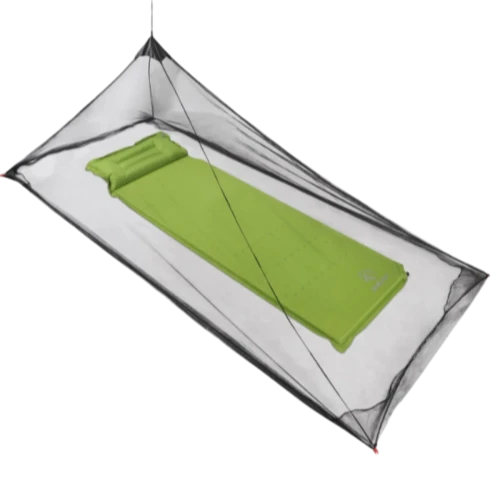
In humanitarian terms, flexible mosquito nets are deployed in disaster zones, refugee camps, and even homes where permanent window screens or air conditioning aren’t feasible. They can be hung, draped, wrapped, or even incorporated into clothing or tents. It’s this versatility that sets the flexible variety apart in modern disease control and industrial hygiene.
Mini takeaway: Flexible mosquito nets are lightweight, adaptable insect barriers designed to be deployed swiftly and effectively in a wide array of environments.
Core Components & Factors Affecting Flexible Mosquito Nets
Material Quality and Mesh Size
The material’s thread count and weave determine the net’s effectiveness. Too loose a mesh, and tiny mosquitoes sneak through. Too tight, and airflow suffers, making it uncomfortable especially in hot climates. Many prefer polyester treated with long-lasting insecticide (e.g., permethrin) for both durability and enhanced protection.
Durability and UV Resistance
Exposure to sunlight and weather elements eventually wears out nets. So, resistance to UV degradation and mechanical wear matters a lot. Flexible nets designed for outdoors often include coatings or treatments to extend lifespan, which means less frequent replacements and better cost-effectiveness.
Size and Flexibility
Unlike fixed mesh panels, these nets can be fashioned to fit beds, windows, doorways, or even entire tents. The “flexible” part is more than marketing — it translates into practical deployment in homes, hospitals, and industries that need quick, adaptable insect protection without permanent installation.
Insecticide Treatment
Some flexible mosquito nets carry an insecticide treatment that kills or repels mosquitoes on contact. This dual method — physical barrier plus chemical deterrent — significantly boosts protection levels but raises concerns about safe handling and environmental impact, so usage instructions are key.
Ease of Deployment & Maintenance
Users need solutions that are simple to hang, clean, and store. Foldability and washing instructions influence whether nets end up in use or shoved aside. The best flexible nets combine all these traits while remaining cost-effective.
| Specification | Details |
|---|---|
| Material | Polyester mesh with insecticide treatment (optional) |
| Mesh Size | Approximately 156 holes per square inch (ideal for mosquito exclusion) |
| Dimensions | Customizable; common sizes 2x3m, 3x4m, or fitted to tents/windows |
| Weight | Lightweight (~100-150 g/m²). |
| UV Resistance | Treated to resist degradation for 2-3 years depending on environment |
| Care Instructions | Hand wash recommended; avoid harsh chemicals to preserve insecticide |
Mini takeaway: Effective flexible mosquito nets balance material science with real-world usability factors for maximum protection and longevity.
Where and How Flexible Mosquito Nets Are Used Worldwide
The applications of flexible mosquito nets are surprisingly broad:
- Rural and urban homes: Over 80 million nets were distributed by the WHO in malaria hotspots in 2020 alone.
- Humanitarian relief: In extended refugee camps or disaster sites, quick-to-assemble nets offer immediate protection.
- Industrial use: In tropical manufacturing zones, electronic plants, and food processing where vector-borne contamination is a risk.
- Outdoor hospitality and tourism: Resorts in mosquito-prone areas use flexible nets in open-air rooms and tents.
One case I came across was a malaria control program in Ghana, where flexible nets not only improved sleep quality but reduced household medical visits — making a clear economic difference.
Mini takeaway: From homes in sub-Saharan Africa to temporary shelters in Southeast Asia, flexible mosquito nets are a frontline defense with both humanitarian and commercial value.
The True Value: Advantages & Long-Term Impact
Let’s be honest — the physical barrier is just one part of the story:
- Cost efficiency: Flexible mosquito nets often cost a fraction of permanent screen installations or air conditioning in hot climates.
- Social dignity: Sleeping under a net symbolizes safety and care, restoring a sense of normalcy.
- Environmental sustainability: They reduce reliance on chemical sprays and energy-intensive cooling.
- Reliability: Tested to withstand harsh conditions, they maintain their integrity year-round.
- Emotional reassurance: Families report feeling safer and more confident in their living spaces.
So it’s as much about trust and comfort as it is about science and materials.
Mini takeaway: Flexible mosquito nets deliver layered value — economic, social, environmental, and emotional — making them indispensable in many contexts.
Looking Ahead: Trends and Innovations in Flexible Mosquito Nets
Innovation here is quietly ongoing. Some emerging trends include:
- Incorporating biodegradable fibers to reduce plastic pollution.
- Embedding smart sensors for real-time mosquito presence detection.
- Using solar-powered insecticide infusers or repellant dispensers integrated into nets.
- Digitally mapped distribution networks to optimize supply in malaria-endemic regions.
The integration of sustainability and IoT tech is especially exciting, promising a future where nets are not only physical barriers but part of broader digital health networks.
Mini takeaway: The intersection of material science with digital innovation is redefining what flexible mosquito nets can do beyond simple protection.
Common Challenges and How to Overcome Them
No solution is perfect. Some headaches with flexible mosquito nets include:
- Damage from pets or rough handling reduces lifespan.
- Misuse or improper washing can erode insecticide effects.
- Public awareness sometimes lags; nets remain unused or improperly deployed.
Experts recommend community training programs and improving material robustness. There’s also a growing push for modular designs that plug and play for easier replacement.
Mini takeaway: Overcoming challenges in usage and durability requires a mix of education, better materials, and smart design.
FAQ: Your Flexible Mosquito Net Questions Answered
- How long does a flexible mosquito net typically last?
- With proper care, including gentle washing and avoiding direct prolonged sunlight, most flexible mosquito nets last between 2-3 years, especially if treated with insecticide. Harsh conditions or heavy use may reduce this timeframe.
- Can flexible mosquito nets be used outdoors effectively?
- Yes! Many are UV-resistant and designed to endure weather exposure, making them ideal for tents, patios, or temporary shelters. However, frequent inspection for tears is advised to maintain protection.
- Are insecticide-treated nets safe for children and pets?
- Generally, when used as directed, insecticide-treated nets are safe. Still, it’s important to keep nets clean and minimize direct contact with skin, especially for pets and young children sensitive to chemicals.
- How customizable are flexible mosquito nets for different needs?
- Very customizable. Manufacturers typically offer various sizes, treated or untreated options, and mesh densities. Some even provide custom shapes to fit irregular openings or special industrial applications.
- Where can I buy reliable flexible mosquito nets?
- It’s best to source from established suppliers specializing in vector control products. For example, visit flexible mosquito net providers with proven track records and certification.
Wrapping Up: Why Flexible Mosquito Nets Matter Now More Than Ever
Flexible mosquito nets stand at the intersection of public health, sustainability, and technology. They quietly transform countless lives by stopping diseases before they start — while offering comfort and reliability in challenging environments. For anyone dealing with insects in homes, industry, or humanitarian aid, they’re an investment that pays dividends in safety and peace of mind.
Curious to learn more or source high-quality mosquito nets? Visit https://www.crscreen.com for detailed options and expert guidance.
| Vendor | Product Range | Insecticide Treatment | Price Range (USD) | Warranty |
|---|---|---|---|---|
| CR Screen Co. | Customizable nets, tents, window panels | Optional permethrin-treated | $10 - $50 | 2 years |
| MosqGuard Inc. | Standard bed nets, outdoor panels | Included in most products | $8 - $40 | 1.5 years |
| EcoScreen Solutions | Biodegradable and UV-resistant nets | No chemical treatment | $15 - $60 | 3 years |
References:
1. World Health Organization, Malaria Fact Sheet
2. United Nations Sustainable Development Goals: Goal 3: Good Health and Well-being
3. Wikipedia contributors, Mosquito net, Wikipedia, The Free Encyclopedia

Latest news
-
Best Guide to Choose a Screen Door for Sliding Door for Your Home
NewsApr.16,2026 -
The Ultimate Guide to Choosing a screen door for a sliding door
NewsApr.09,2026 -
Choosing the Perfect Patio Sliding Screen Door for Your Home
NewsApr.07,2026 -
Choosing the Best Patio Screen Door with Frame for Your Home and Lifestyle
NewsApr.04,2026 -
Comprehensive Guide to Net Sliding Door Price Factors and Options
NewsMar.31,2026 -
Enhance Your Outdoor Space with a Durable Net Sliding Door for Balcony
NewsMar.28,2026 -
Discover the Benefits of Net Door Sliding Systems for Modern Homes
NewsMar.26,2026