

Dec . 02, 2025 12:15 Back to list
Bed Net Pop Up: Ultimate Guide to Fast-Deploy Mosquito Protection
What’s a Bed Net Pop Up and Why Should We Care?
It’s pretty amazing how a simple item like a bed net pop up can have a major global impact. For many people—especially in tropical regions—mosquito-borne diseases like malaria remain a persistent threat. That’s where bed nets with pop-up frames make a huge difference. These nifty, quick-deploy nets provide immediate protection from insects and help reduce disease transmission, and that’s something the World Health Organization (WHO) has championed for decades.
On a practical level, understanding the benefits of bed net pop ups means we’re better equipped to support public health efforts and relief operations worldwide. Plus, knowing what makes a net effective — its materials, durability, ease of use — can improve how NGOs, governments, and even everyday buyers choose and deploy these products.
The Global Context: Why Bed Net Pop Ups Matter More Than Ever
Let’s frame this: about 229 million cases of malaria were reported globally in 2019, with a staggering 409,000 deaths, the bulk occurring in sub-Saharan Africa (WHO, 2020). Mosquito nets are consistently a frontline defense recommended by the United Nations and international health bodies. But traditional nets can be a hassle to set up or carry around in emergencies.
This is where bed net pop ups come in, offering a fast, reliable solution that’s practical for displaced people, travelers, and everyday households alike. Plus, the pop-up design drastically cuts down setup time—oddly enough, this simple design innovation changes the game in regions where time and security are tightly linked.
What Exactly Is a Bed Net Pop Up?
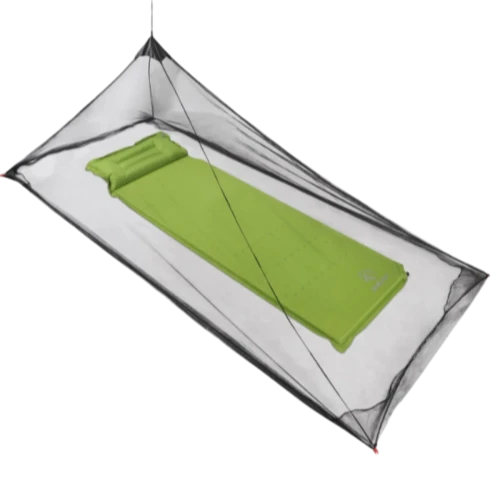
Simply put, it’s a bed net that incorporates a collapsible frame allowing it to “pop up” into shape without complicated assembly. Imagine a compact bundle that inflates or unfolds into a fully functional mosquito barrier. The technology blends textiles with lightweight steel or fiberglass hoops, creating a tension structure that holds the netting around a bed or sleeping area.
Beyond just keeping bugs out, these nets are part of a wider effort to design solutions tailored to modern humanitarian aid and everyday convenience—preventing disease transmission without demanding extra effort from the user. In remote or high-risk environments, this can mean the difference between safety and vulnerability.
Key Components That Make Bed Net Pop Ups Work
Durability
While the fabric often consists of fine polyester mesh to block mosquitoes, the frame needs to resist bending or breaking. Many nets use rust-proof steel or flexible fiberglass hoops, ensuring they stand up to frequent folding and transport. For example, a net’s ability to survive humid climates or rough handling directly translates into prolonged effectiveness.
Ease of Use & Portability
One of the strongest selling points is the quick deployment. No assembly manuals or tools needed — you simply unfold or pop it open. This makes it ideal for emergency relief workers or travelers without permanent sleeping arrangements. It’s compact too, often fitting inside a backpack or travel bag.
Mesh Quality and Safety Standards
Usually, the mesh size is fine enough to keep even the tiniest disease vectors out, while also allowing airflow. Many bed nets meet international standards like the ISO 9001 for quality management, reflecting careful attention to safety and manufacturing consistency.
Affordability
Cost efficiency is crucial, especially when deploying millions of nets in developing countries. Pop-up nets hit a balance between performance and price, aided by advances in mass production and lightweight materials.
At a Glance: Common Bed Net Pop Up Specifications
| Feature | Typical Specification | Industry Standard |
|---|---|---|
| Mesh Size | 156 holes/in² | ≥150 holes/in² (WHO) |
| Frame Material | Fiberglass or steel wire | Rust-resistant steel/fiberglass |
| Dimensions (deployed) | 120 x 200 x 100 cm | Varies by bed size |
| Weight | Approx. 1.2 kg | Light enough for travel |
| Treatment | Night-Long Insecticide (NLI) | Recommended WHO insecticide standards |
Where Are Bed Net Pop Ups Making a Difference?
These nets shine in multiple sectors. In humanitarian relief, NGOs use them for displaced populations where quick shelter and protection is needed without sacrificing dignity or comfort. Think refugee camps after natural disasters in Southeast Asia or Africa.
- Rural Households: Families in malaria-endemic zones use these nets as part of everyday bedtime routines.
- Travel & Tourism: Adventure travelers and field researchers carry pop-up nets for hassle-free insect protection.
- Military & Industrial Use: Remote workers in forestry, mining, or military field camps rely on them for comfort and health.
For example, Médecins Sans Frontières uses bed net pop ups in their rapid response kits because they reduce setup time dramatically and can be packed tightly without damage.
Vendor Landscape: A Quick Comparison of Popular Bed Net Pop Up Brands
| Brand | Materials | Weight | Price Range | Additional Features |
|---|---|---|---|---|
| SafeNest PopUp | Polyester Mesh + Fiberglass | 1.1 kg | $25–35 | UV protection coating |
| InsectGuard EasyPop | Nylon Mesh + Steel Frame | 1.3 kg | $30–40 | Treated for insecticide |
| TravelSafe Net | Polyester Mesh + Fiberglass | 0.9 kg | $20–30 | Compact carry pouch included |
What’s Really Good About Bed Net Pop Ups?
It’s more than just the price or the quick setup—though those are huge perks. These nets promote health equity by providing affordable, accessible protection in areas lacking full medical infrastructure. They enhance safety and comfort, which supports dignity in crisis situations — something you don’t always think about, but it matters.
They’re also surprisingly sustainable; the materials have a long lifespan if cared for, and many manufacturers are moving toward recyclable fabrics and eco-friendly insecticides. For daily users, it’s about peace of mind during vulnerable nighttime hours.
What’s Next? Innovation & Trends on the Horizon
The future of bed net pop ups looks promising with advances in smart textiles and eco-conscious manufacturing. Some companies are experimenting with solar-powered insecticide dispensers integrated into the nets, providing ongoing protection without re-treatment. Others focus on biodegradable materials or mesh that improves air circulation without sacrificing insect barrier integrity.
Digitally smart nets that can monitor environmental conditions or automatically alert maintenance needs? It sounds like sci-fi but isn’t far from conceptual prototypes. Plus, broader initiatives like the Sustainable Development Goals encourage innovation in affordable public health products, so the market is likely to keep evolving.
Challenges & Practical Fixes
No solution is perfect. Sometimes pop-up mechanisms can malfunction if handled roughly, or the mesh gets torn in rugged deployment scenarios. Cost barriers still exist for the poorest communities despite bulk purchasing and NGO subsidies.
However, increased training for local communities, modular repair kits, and improving production standards are practical solutions experts recommend. Also, combining bed net pop ups with other mosquito control measures—like indoor residual spraying—improves overall effectiveness.
Frequently Asked Questions About Bed Net Pop Ups
- Q: How long will a bed net pop up last in harsh climates?
- A: With proper care, most high-quality bed net pop ups last 3–5 years, even in humid or hot environments. Frames made from fiberglass resist corrosion better than steel, and insecticide treatments typically need reapplication after 6–12 months.
- Q: Can I use bed net pop ups outdoors effectively?
- A: Absolutely, though some models are designed specifically for indoor use, many portable pop-up nets perform well outdoors for camping or relief camps. Ensure they are securely anchored and protected from strong winds.
- Q: Are insecticide-treated bed nets safe for children and pregnant women?
- Yes, insecticide treatments approved by the WHO are safe for vulnerable groups. The insecticides used break down quickly and are applied in controlled quantities to balance effectiveness with safety.
- Q: How compact are these nets for travel?
- Most bed net pop ups fold down to a circle or flat bundle about 30cm in diameter and weigh around 1kg, fitting easily into backpacks or travel bags.
- Q: Where can NGOs source quality bed net pop ups for mass distribution?
- Reputable manufacturers typically offer bulk purchasing options. It’s recommended NGOs verify certifications and request sample nets to ensure quality before large orders. Our partner vendors offer verified options optimized for relief operations.
Summing It Up: The Last Word on Bed Net Pop Ups
At the end of the day, a bed net pop up is a small innovation with a massive human impact. It’s a simple yet effective tool that crosses boundaries — be they geographical, economic, or social — to keep people safe every night.
If you want to learn more about these nets, or explore purchasing options for your community or organization, I highly suggest you visit https://www.crscreen.com. It’s a great starting point for reliable info and trusted products that actually make a difference.
Rest easy—and remember, sometimes the smallest details bring the biggest change.
Mini takeaway: A quality bed net pop up merges practicality with public health impact, offering swift protection that saves lives.
References:




Latest news
-
Best Guide to Choose a Screen Door for Sliding Door for Your Home
NewsApr.16,2026 -
The Ultimate Guide to Choosing a screen door for a sliding door
NewsApr.09,2026 -
Choosing the Perfect Patio Sliding Screen Door for Your Home
NewsApr.07,2026 -
Choosing the Best Patio Screen Door with Frame for Your Home and Lifestyle
NewsApr.04,2026 -
Comprehensive Guide to Net Sliding Door Price Factors and Options
NewsMar.31,2026 -
Enhance Your Outdoor Space with a Durable Net Sliding Door for Balcony
NewsMar.28,2026 -
Discover the Benefits of Net Door Sliding Systems for Modern Homes
NewsMar.26,2026