

Nov . 29, 2025 11:50 Back to list
Bed Netting Canopy - Global Solutions for Insect Protection & Disease Prevention
Understanding the Bed Netting Canopy: A Global Guardian Against Disease
If you’ve ever slept under a mosquito net on a humid summer night or seen one deployed in emergency camps, you have a basic idea of what a bed netting canopy is. But beyond that simple image lies a crucial global tool in the fight against vector-borne diseases — especially in tropical and subtropical countries. The bed netting canopy is more than fabric; it’s a protective shield that can save millions of lives.
Worldwide, illnesses like malaria and dengue fever affect hundreds of millions each year, according to the World Health Organization (WHO). Imagine the relief that a simple, well-designed bed netting canopy brings to a family in a malaria-endemic zone. Understanding these canopies means we appreciate their role in healthcare, disaster relief, and even industrial applications — where insect control and shelter go hand in hand.
Mini takeaway: Bed netting canopies are simple yet powerful solutions with life-saving potential, especially amid global health challenges.
Why Bed Netting Canopies Matter Globally
Globally, over 200 million people contract malaria every year, and about half of the world’s population lives in regions at risk of mosquito-transmitted diseases (World Bank, 2023). Amid urbanization and climate change, the habitat and spread of disease vectors like mosquitoes have become more unpredictable.
That’s where bed netting canopies come into play. They are frontline defense in low-resource settings where medical infrastructure is often limited. The UN Environment Programme reports that integrating physical barriers like these nets cuts down disease transmission by more than 50% in high-risk zones.
At the same time, they are increasingly important in non-healthcare contexts — including remote industrial camps, tropical travel accommodations, or ecological research outposts where pest control is vital.
A common challenge: Producing nets that balance durability, ease of use, and cost-efficiency while maintaining insect repellency is no small feat. Some nets degrade in harsh sun exposure. Others don’t perform well against evolving insect resistance.
Mini takeaway: Bed netting canopies serve a critical preventive role worldwide, but innovation is needed to address durability and evolving environmental factors.
What Exactly Is a Bed Netting Canopy?
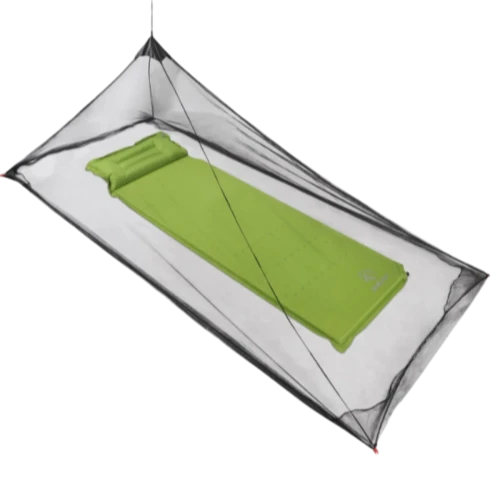
Simply put, a bed netting canopy is a protective cover made from fine mesh fabric designed to enclose sleeping spaces. Its primary purpose is to block out insects, especially mosquitoes. Unlike just a flat net, the “canopy” usually implies a structure or frame (or sewn shape) that either drapes over a bed or attaches overhead, completely surrounding the user.
In humanitarian contexts, such canopies are distributed to vulnerable populations to prevent vector-borne disease transmission during sleep, the peak biting time for many insects.
In modern industry and remote sites, these canopies may double as insect screening for machinery, sleeping quarters, or medical tents — blending protection and practicality.
Mini takeaway: Bed netting canopies are versatile mesh enclosures specifically made to protect by forming a barrier against insects in sleeping environments.
Core Components That Make Bed Netting Canopies Work
1. Material Quality and Mesh Size
The most common fabric is polyester or polyethylene mesh, woven tightly enough to block mosquitoes (usually 156 holes per square inch or finer) but still breathable. Material strength and UV resistance are key to lasting multiple seasons.
2. Durability & UV Resistance
Exposure to sunlight, humidity, and repeated washing can degrade nets quickly if untreated. UV-stabilized fibers and reinforced edges help maintain net integrity.
3. Insecticide Treatment
Many bed netting canopies come pre-treated with long-lasting insecticides like permethrin, a practice endorsed by WHO, enhancing their efficacy beyond mere physical barriers.
4. Design & Size Variability
Canopies may be rectangular, circular, or shaped to fit various bed sizes. Ease of hanging or setup is vital, especially in emergency deployments.
5. Portability & Weight
Lightweight and compact storage are often necessary for field workers and displaced populations requiring quick shelter solutions.
| Feature | Specification | Benefit |
|---|---|---|
| Material | Polyester or polyethylene mesh | Durable & breathable |
| Mesh Size | ≤156 holes/in² (usually 180 x 200 mesh) | Blocks insects but allows airflow |
| Insecticide | Permethrin-treated (LLIN) | Enhanced mosquito repellency |
| UV Resistance | UV stabilizers included | Prolonged outdoor use |
| Weight | 150-250 grams (depending on size) | Portable, easy to carry |
| Dimensions | Varies: Single to queen bed sizes | Fits multiple bed types |
Mini takeaway: The balance of material, mesh size, insecticide treatment, and practical design features ultimately determines canopy performance and usability.
Where Are Bed Netting Canopies Making an Impact?
From the malaria-ridden regions of Sub-Saharan Africa and Southeast Asia to remote infrastructure camps in the Amazon rainforests, bed netting canopies are a common sight. A few typical use cases include:
- Humanitarian relief: Following natural disasters, rapidly distributed canopies prevent outbreaks in overcrowded shelters.
- Rural households: In endemic zones, families use them nightly to reduce disease incidence.
- Remote industrial sites: Oil rigs, mining camps, and research stations employ bed netting canopies to protect workers.
- Travel and tourism: Eco-lodges and resorts provide luxury bed netting canopies to ensure comfort and safety.
For example, in Malawi, nationwide bed netting canopy distribution campaigns have contributed to a 50% decline in malaria-related deaths over the past decade, according to the Malawi National Malaria Control Programme.
Mini takeaway: Bed netting canopies are practical, scalable solutions used worldwide — from emergency kits to luxury tourism — serving diverse populations with one goal: insect-free rest.
The Real Advantages of Bed Netting Canopies You Should Know
Why have these simple nets endured as global staples for decades? A few key benefits stand out:
- Cost-effective prevention: Compared to medical treatment costs, bed netting canopies provide affordable disease protection.
- Environmental sustainability: Physically stopping mosquitoes reduces reliance on chemical sprays harmful to ecosystems.
- Safety and dignity: The physical barrier provides peace of mind, letting people sleep without fear — a profound social impact.
- Ease of distribution and use: Light and packable, they’re ideal for rapid deployment during health crises or disasters.
- Durability: With proper care, they can last multiple years and prevent disease continually.
Frankly, the bed netting canopy is a low-tech innovation with high human-tech returns — blending compassion and ingenuity.
Mini takeaway: Bed netting canopies offer economical, sustainable, and life-enhancing protection with social and environmental benefits.
Innovation on the Horizon: What’s Next for Bed Netting Canopies?
The future beckons with new materials and ideas. Scientists are now experimenting with biodegradable nets that decompose after a few years, reducing plastic waste accumulation. Insecticide resistance is pushing research toward alternative repellents like natural botanicals incorporated into fabrics.
Digitally enhanced manufacturing enables more precise mesh designs that balance breathability and protection better than ever before. Some prototypes feature integrated LED lighting or sensors that alert of breaches.
Green manufacturing methods are gaining ground as well, matching global sustainability goals. Moreover, partnerships with organizations like the Global Fund and UNICEF are expanding net access exponentially with traceable supply chains ensuring accountability.
Mini takeaway: Innovations in materials, insecticide alternatives, and smart design promise even greater effectiveness and sustainability for bed netting canopies.
Challenges and Solutions in Bed Netting Deployment
No solution is perfect. Common obstacles include:
- Wear and tear: Nets prone to holes lose efficacy quickly. Solution: tougher materials and user education on handling.
- Insecticide resistance: Mosquitoes evolving to tolerate treatments call for alternating insecticides and physical modifications.
- Usage compliance: People may find nets uncomfortable or difficult to set up. Solution: user-friendly designs and awareness campaigns.
- Distribution logistics: Reaching remote communities requires coordinated efforts and partnerships.
Many NGOs and manufacturers are tackling these with innovation, community engagement, and improved product designs.
Vendor Comparison: Finding the Right Bed Netting Canopy Supplier
| Vendor | Materials Used | Insecticide Treatment | Customization Options | Price Range (USD) | Ideal Application |
|---|---|---|---|---|---|
| SafeSleep Nets | Polyester mesh with UV stabilization | Long-lasting permethrin | Color & size variants, custom printing | $6 - $12 per net | Humanitarian & emergency use |
| EcoShield Fabrications | Bio-based polymer mesh | Botanical insect repellent infused | Custom dimensions and biodegradable options | $10 - $18 per net | Eco-conscious consumers & resorts |
| Guardian Mesh Systems | High-density polyethylene | Standard permethrin treatment | Heavy-duty fabric for industrial camps | $8 - $15 per net | Industrial & remote workforce |
Frequently Asked Questions About Bed Netting Canopies
1. How effective are bed netting canopies against mosquito-borne diseases?
When used correctly, bed netting canopies can reduce malaria transmission by over 50%. Their physical barrier combined with insecticide treatment prevents mosquito bites during sleeping hours, the peak risk time. Proper maintenance and regular replacement enhance effectiveness.
2. Can I use a bed netting canopy outdoors for camping?
Absolutely. Many bed netting canopies are lightweight and portable, making them perfect for camping trips in insect-prone areas. Just ensure you have an appropriate hanging point or frame, and that the net is-sized accordingly for your bedding or sleeping pad.
3. How long do insecticide treatments last on these nets?
Long-lasting insecticidal nets (LLINs) are designed to remain effective for up to 3 years or about 20 washes. However, this depends on use patterns and washing frequency. Untreated nets don’t repel but still block insects physically.
4. Are bed netting canopies eco-friendly?
Traditional nets use synthetic materials and insecticides, which can raise environmental concerns. However, newer biodegradable fabrics and botanical insecticides are improving eco-friendliness. Choosing nets from vendors focusing on sustainability helps reduce impact.
5. How do NGOs distribute bed netting canopies in remote areas?
NGOs partner with local health agencies and community groups to organize large-scale free net distributions, often combined with education on correct use. Supply chain logistics may include air, road, and river transport, tailored to the region's accessibility.
Wrapping Up: Why Bed Netting Canopies Deserve Your Attention
In summary, bed netting canopies are humble marvels in global health and beyond. They combine thoughtful material science, practical design, and social impact in a way few products do. Whether protecting families in malaria zones or supporting workers in remote camps, their long-term value is clear: cost-effective disease prevention, sustainability, and dignity preserved under a fine mesh.
Curious to explore the latest options in bed netting canopy products? Visit our website: bed netting canopy for a curated selection designed for diverse needs.
Oddly enough, something as simple as a net can change entire communities. And, honestly, that feels pretty remarkable.
References:
Latest news
-
Best Guide to Choose a Screen Door for Sliding Door for Your Home
NewsApr.16,2026 -
The Ultimate Guide to Choosing a screen door for a sliding door
NewsApr.09,2026 -
Choosing the Perfect Patio Sliding Screen Door for Your Home
NewsApr.07,2026 -
Choosing the Best Patio Screen Door with Frame for Your Home and Lifestyle
NewsApr.04,2026 -
Comprehensive Guide to Net Sliding Door Price Factors and Options
NewsMar.31,2026 -
Enhance Your Outdoor Space with a Durable Net Sliding Door for Balcony
NewsMar.28,2026 -
Discover the Benefits of Net Door Sliding Systems for Modern Homes
NewsMar.26,2026