

Nov . 29, 2025 13:25 Back to list
Bug Canopy Tent – Durable, Portable Shelters for Insect-Free Outdoor Protection
Understanding the Bug Canopy Tent: A Practical Solution with Global Impact
For many people across the globe, the bug canopy tent might sound like just another outdoor equipment accessory. Yet, these seemingly simple shelters can make a huge difference in contexts ranging from humanitarian aid to outdoor industry operations. With increasing climate uncertainties and ever-evolving fieldwork needs, understanding what a bug canopy tent really entails and why it matters worldwide can unlock better decision-making for businesses, NGOs, and individuals alike.
The Bigger Picture: Why Bug Canopy Tents Matter Globally
You might not realize it, but outdoor shelters like bug canopy tents have significant applications in disaster relief, remote work setups, and ecological research. According to data from the UN Office for Disaster Risk Reduction (UNDRR), over 235 million people were affected by natural disasters in 2021 alone. In situations where flexibility and quick protection are key, bug canopy tents act as frontline shields, repelling insects while offering shade and shelter. This matters hugely for preventing the spread of vector-borne diseases like malaria or Zika in affected regions.
Industries such as forestry, agriculture, and even event management also rely on these tents to enhance worker comfort and reduce downtime caused by bug bites or sun exposure. Frankly, it’s not just about comfort but operational continuity — a topic often overlooked in supply chain management conversations.
Mini takeaway: Bug canopy tents serve as critical tools not just for comfort but as protective assets in global health and industrial productivity.
What Exactly Is a Bug Canopy Tent?
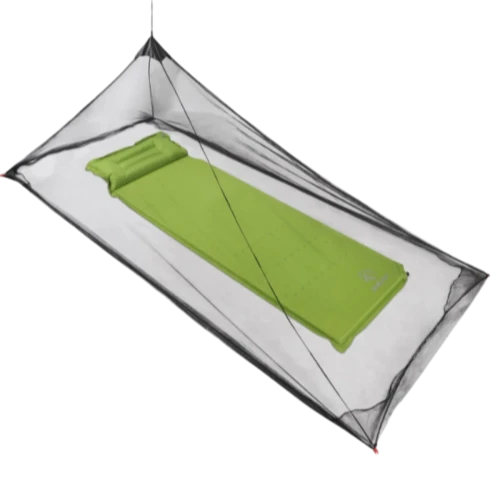
At its most basic, a bug canopy tent is a tent-like shelter designed to block bugs and insects using fine mesh netting combined with protective fabric canopies. Think of it as a personal shield for people working or relaxing outdoors. Its design emphasizes quick setup, portability, and durability.
In today’s world, these tents extend beyond camping enthusiasts’ gear to vital infrastructure components for humanitarian operations and remote fieldwork. Their ability to combine insect control with weather protection answers practical, very modern-day needs.
Core Features of Effective Bug Canopy Tents
1. Insect Protection
This is the headline feature. Most models employ ultra-fine mesh netting that blocks mosquitoes, midges, ticks, and other tiny bugs while still allowing air circulation. The mesh must be durable and resistant to tearing since the last thing you want is bugs sneaking through a broken net.
2. Durability and Material Quality
Generally, high-quality polyester or nylon fabrics with waterproof and UV-resistant coatings form the canopy itself. The frame often uses lightweight aluminum, fiberglass, or steel, striking a balance between sturdiness and carry-weight.
3. Ease of Deployment
A quick assembly time and compact packing size are essential — especially for emergency relief or expedition settings. Many modern models come with pop-up or quick-pitch designs that can be set up alone within minutes.
4. Ventilation and Comfort
Oddly enough, a bug canopy tent that just blocks bugs but traps heat isn’t very useful. Good airflow inside the tent ensures occupants don’t get overheated or uncomfortable, especially in tropical or desert climates.
5. Portability
Weight and pack size matter a lot. Whether hikers, aid workers, or scientists, most users prefer lightweight tents that can fit into backpacks or carry bags. Space-saving design makes transport easier across rough terrains.
6. Cost Efficiency
Cost is always a factor — especially for NGOs or large-scale operations ordering many units. Balancing price against durability and functionality is trickier than it sounds but crucial in procurement.
Mini takeaway: The best bug canopy tents manage to juggle protection, comfort, quick deployment, and portability – all without breaking the bank.
Bug Canopy Tents in the Real World: Global Use Cases
- Post-Disaster Relief: Organizations like the Red Cross deploy bug canopy tents in flood zones prone to mosquito-borne illnesses to protect displaced populations.
- Remote Industrial Work: Oil rigs, forestry enterprises, and mining camps use these tents to create bug-free shade areas, improving worker well-being and productivity.
- Scientific Research Stations: Biologists working in tropical forests rely on bug canopy tents to avoid tick bites and contamination during lengthy field studies.
- Outdoor Events and Festivals: Event managers use these tents to enhance attendee comfort where insects are prevalent, reducing complaints and health risks.
Countries with tropical climates in Southeast Asia, Africa, and parts of Central America particularly benefit — places where simple insect control is key to safety.
Product Specification Table: Typical Bug Canopy Tent
| Feature | Specification |
|---|---|
| Material | Ripstop Nylon + Polyester mesh |
| Frame | Aluminum alloy poles |
| Weight | Approx. 3.5 kg (7.7 lbs) |
| Dimensions (assembled) | 3m x 3m x 2.2m (WxLxH) |
| Mesh Aperture | |
| Setup Time | Under 5 minutes (pop-up style) |
| Water Resistance | PU-coated, 2000 mm hydrostatic head |
Comparing Top Vendors: Bug Canopy Tent Offerings
| Vendor | Price Range | Weight | Setup Time | Unique Feature |
|---|---|---|---|---|
| EcoShield Tents | $120 - $160 | 3.8 kg | 5 min pop-up | Eco-friendly recycled materials |
| MosquitoGuard Pro | $140 - $190 | 3.2 kg | 3 min quick pitch | Reinforced tear-proof mesh |
| FieldSafe Solutions | $100 - $150 | 4.0 kg | 6 min easy assembly | Extended UV protection canopy |
Advantages and Long-Term Benefits of Bug Canopy Tents
When you think beyond their immediate use, bug canopy tents contribute to sustainability, cost savings, and social impact. Controlling insect contact reduces disease risks — a huge plus for vulnerable populations. Less illness means less economic disruption, especially in disaster zones or remote work sites. Plus, durable, reusable tents reduce waste compared to disposable shelters or costly insecticide fogging.
From a human perspective, such tents provide dignity and safety. Imagine having a secure, shaded bug-free area when everything else around is chaotic or uncomfortable — it’s more than convenience; it’s emotional relief.
Mini takeaway: Investing in reliable bug canopy tents isn’t just practical; it’s a step towards healthier, more stable communities.
On the Horizon: Innovations Shaping the Bug Canopy Tent Industry
Materials science is a game changer — experts now experiment with antimicrobial, self-cleaning nano-coated fabrics that promise longer-lasting bug protection. Integration of solar-powered LED lighting and USB charging ports within the tent structure addresses the modern need for energy autonomy in off-grid settings.
In terms of policy, international humanitarian organizations are pushing standards that require better insect barrier certifications as part of emergency shelter kits — a move that will likely raise overall quality and safety.
Overcoming Challenges
Despite the benefits, bug canopy tents are not without challenges. Mesh durability is often a concern under rugged use, and some versions can trap heat in humid environments. Another biggie is cost: cheap tents often fail prematurely, costing more in the long run.
Some companies are now exploring hybrid mesh designs and modular parts for easier repairs. User education on maintenance and correct setup is also becoming a crucial part of vendor services.
FAQ: Answers to Your Bug Canopy Tent Questions
- How effective are bug canopy tents at preventing mosquito-borne diseases?
- A well-designed bug canopy tent with fine mesh netting significantly reduces mosquito bites by creating a physical barrier. While it doesn’t replace other methods like insect repellents or nets, it provides an essential layer of protection, especially in high-risk areas.
- Can a bug canopy tent be used in heavy rain or windy conditions?
- Many modern bug canopy tents come with waterproof canopies and reinforced frames to withstand moderate wind and rain. However, for extreme weather, additional anchoring and shelter solutions are recommended.
- Are bug canopy tents suitable for long-term outdoor deployments?
- Yes, with regular maintenance and proper care, high-quality bug canopy tents can last several years. They’re commonly used in ongoing field operations and remote research stations.
- What makes a good bug canopy tent for large-scale humanitarian projects?
- Durability, ease of deployment, cost efficiency, and certified insect protection are key criteria. Also, tents that can be repaired quickly in the field or modularly replaced tend to work best at scale.
Final Thoughts
In the long run, the bug canopy tent represents more than a shelter; it’s a subtle but powerful tool advancing global health, productivity, and comfort. Whether you're in disaster relief, industrial fields, or just enjoying the outdoors, these tents solve very real problems through practical smart design.
Curious to explore a range of options? Visit our site for detailed specs and trusted suppliers: bug canopy tent.
References
Latest news
-
Best Guide to Choose a Screen Door for Sliding Door for Your Home
NewsApr.16,2026 -
The Ultimate Guide to Choosing a screen door for a sliding door
NewsApr.09,2026 -
Choosing the Perfect Patio Sliding Screen Door for Your Home
NewsApr.07,2026 -
Choosing the Best Patio Screen Door with Frame for Your Home and Lifestyle
NewsApr.04,2026 -
Comprehensive Guide to Net Sliding Door Price Factors and Options
NewsMar.31,2026 -
Enhance Your Outdoor Space with a Durable Net Sliding Door for Balcony
NewsMar.28,2026 -
Discover the Benefits of Net Door Sliding Systems for Modern Homes
NewsMar.26,2026