

Nov . 29, 2025 15:05 Back to list
Comprehensive Guide to Ceiling Hanging Mosquito Nets: Protection, Use, and Benefits
Understanding Ceiling Hanging Mosquito Nets: Why They Matter Today
If you’ve ever battled mosquitoes indoors — the buzzing, the itch, the bite — you know the value of a simple yet effective mosquito barrier. Enter the ceiling hanging mosquito net, an unassuming but often overlooked hero in homes, healthcare centers, and humanitarian camps worldwide. This net isn’t just a piece of fabric with holes; it’s a vital tool that, globally, helps reduce disease transmission, improves sleep quality, and protects dignity. Malaria, dengue, and other mosquito-borne illnesses still claim hundreds of thousands of lives each year, particularly in tropical and subtropical regions. According to the World Health Organization, anywhere from 200 million to 400 million malaria cases occur annually despite decades of control efforts.[1] In this context, the ceiling hanging mosquito net becomes more than a comfort; it's a frontline defense. Understanding its design, applications, and impact opens the door to smarter, more sustainable mosquito control solutions that are effective for communities but also scalable for relief organizations and industries. Let’s unpack this quietly powerful item and why it continues to be relevant globally.Why the Ceiling Hanging Mosquito Net Still Matters Globally
Mosquito nets aren’t just about comfort or personal preference; they’re a matter of public health [2]. Across Africa, Asia, and Latin America, millions rely on these nets nightly to sleep safely. But not all nets are created equally – ceiling hanging mosquito nets have a unique role due to their suspended setup that covers the sleeping area without disturbing ventilation or movement. Global statistics roughly estimate that about half the world’s population is at risk for mosquito-borne diseases — that’s nearly 4 billion people [3]. This sheer scale makes practical, accessible protection critical. Plus, by preventing bites, these nets reduce the burden on healthcare systems and improve quality of life in low-resource settings. However, challenges like improper installation, net durability, and the need for culturally acceptable designs still limit effectiveness. This is why the ceiling hanging approach, which is relatively easy to deploy and maintain, remains preferred in many settings – especially where wall or window screens are impractical.What is a Ceiling Hanging Mosquito Net?
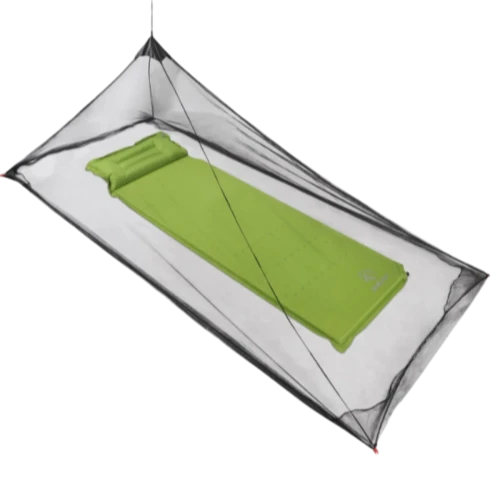
Simply put, a ceiling hanging mosquito net is a fine-mesh net designed to be suspended from the ceiling, enclosing a bed or sleeping space to keep mosquitoes out. Unlike bed nets tucked under mattresses, these hang freely and create a protective barrier around the occupant. They are typically made from polyester or polyethylene, materials chosen for strength, light weight, and breathability. The design can be square, rectangular, or conical to fit various bed sizes and room layouts. Interestingly, their “hang from above” installation means they don’t require wall hooks or permanent fixtures, making them ideal for temporary or mobile setups. Most humanitarian organizations, like UNICEF or Médecins Sans Frontières, use ceiling hanging mosquito nets in their field operations because they combine ease of use with reliability, especially where electricity or air conditioning is sparse.Core Aspects of Ceiling Hanging Mosquito Nets
Durability and Material Quality
The life span of mosquito nets often hinges on the type of mesh and frame support. Polyester nets tend to resist tearing better than cotton-based ones, lasting multiple years if properly maintained. The mesh size matters — usually between 156 to 200 holes per inch to keep out even the smallest mosquitoes while allowing airflow.Ease of Installation
Ceiling hanging nets generally attach via threads, loops, or hooks to central points on the ceiling. This method reduces friction damage that wall-mounted options might experience and means users can move them easily when shifting beds or relocating.Insecticide Treatment
Some nets come pre-treated with insecticides like permethrin, adding an active layer of defense that kills or repels mosquitoes on contact. While untreated nets block bugs physically, treated nets provide an added health benefit — especially in regions with malaria-carrying mosquitoes resistant to other forms of control.Portability and Storage
Because many ceiling hanging mosquito nets collapse into compact bundles, they’re perfect for travel, emergency kits, or outdoor use. Their light weight means they can easily be deployed in refugee camps, disaster zones, or even hiking expeditions.Cost-Effectiveness
Compared to window screens or air conditioning, ceiling hanging mosquito nets are extremely affordable upfront and require minimal upkeep. This makes them accessible to a wide audience—from local families to international aid groups.Product Specification Table
| Feature | Description | Typical Value |
|---|---|---|
| Material | Polyester or Polyethylene Mesh | 75D Microfiber |
| Mesh Hole Count | Number of holes per sq. inch | 156–200 |
| Dimensions | Bed coverage size options | 2m × 1.6m up to 2.5m × 2m |
| Insecticide Treatment | Permethrin or untreated variants | Yes/No |
| Weight | Net fabric weight | 150–250 grams |
Mini takeaways: Quality materials combined with proper installation largely determine how effective and long-lasting a ceiling hanging mosquito net will be. The insecticide treatment elevates protection but isn’t always essential in low-risk areas.
Where Ceiling Hanging Mosquito Nets Come Into Play: Global Use Cases
Across vast swaths of sub-Saharan Africa, ceiling hanging mosquito nets have become a staple in private homes and public clinics alike. The global malaria eradication campaigns have distributed hundreds of millions of these nets, drastically cutting infection rates in countries like Tanzania, Uganda, and Nigeria. In disaster recovery scenarios — say after floods or hurricanes in South Asia — tents and makeshift shelters are sprayed with insecticides and outfitted with ceiling hanging nets to protect displaced populations. I remember reading how after the 2015 Nepal earthquake, NGOs integrated these nets into relief kits to tackle spikes in mosquito-borne illness amidst poor sanitation. Industrial sites in remote tropical locations, such as mining camps or plantations in Southeast Asia, also regularly provide these nets to workers. They’re simple to install in dormitories or field housing and help maintain workforce health, preventing costly sick days. Lastly, urban dwellers in areas lacking window screens rely on these nets, especially in informal settlements where buildings may not be sealed against mosquitoes. Notably, international health organizations continuously advocate for ceiling hanging nets as a zero-electricity, zero-carbon footprint way to cut disease risks.Advantages & Long-Term Benefits: More Than Just a Net
- Health Protection: The obvious win is fewer mosquito bites, fewer infections, and ultimately lives saved. - Economic Savings: Less need for expensive drugs, fewer hospital visits, and greater productivity. - Sustainability: No electricity needed versus alternatives like fans or insect repellents. - Trust and Dignity: Safe sleep environments reinforce feelings of security and wellbeing — not trivial in vulnerable communities. - Adaptability: Lightweight and portable, the net can travel with you or be deployed in changing environments. Quite frankly, in a world increasingly focused on sustainable and low-impact health solutions, ceiling hanging mosquito nets tick many boxes. They offer a simple yet powerful form of protection that’s not only practical but feels “right” for many users. And the fact they’re still widely recommended by bodies like WHO says a lot about their efficacy.Emerging Trends and Innovations in Mosquito Net Technology
The tech world hasn’t ignored this humble net. Innovations include: - Long-Lasting Insecticidal Nets (LLINs): Now designed to keep effectiveness for several years without re-treatment. - Eco-friendly Materials: Biodegradable or recycled fibers trying to reduce environmental impacts. - Smart Nets: Some researchers are experimenting with sensors that can detect mosquito presence or damage to the net fabric. - Improved Closure Systems: From zippers to magnets, making it easier to get in and out without compromising protection. - Customization: Color options or logo printing to increase acceptability in community or commercial use. These advances aim to keep ceiling hanging mosquito nets relevant and user-friendly, responding to practical hurdles noticed on the ground. Oddly enough, despite all the tech, the core concept remains the same — hanging a barrier from above.Common Challenges & Practical Solutions
- Improper Hanging: Nets not installed properly can leave gaps. Solution: Simple installation guides and training. - Wear & Tear: Holes reduce efficacy. Idea: Durable material choices and periodic replacement initiatives. - Resistance to Insecticides: Growing problem in some regions; combining physical barriers with alternative repellents. - Cultural Acceptance: Some users find nets stifling or inconvenient. Customizing sizes and shapes helps. - Storage and Cleaning: Nets can be damaged during washing. Educating users on gentle care extends longevity. In the end, the key is community engagement and continual innovation. The nets only work when people trust and use them consistently.Vendor Comparison: Popular Ceiling Hanging Mosquito Nets
| Brand | Insecticide Treated | Mesh Count | Weight (g) | Price (USD) |
|---|---|---|---|---|
| SafeSleep Pro | Yes | 180 | 190 | 14.99 |
| EcoShield Mesh | No | 160 | 170 | 9.95 |
| FieldGuard Extreme | Yes | 200 | 230 | 19.50 |
Frequently Asked Questions About Ceiling Hanging Mosquito Nets
- Q1: How do I install a ceiling hanging mosquito net properly?
A: Installation usually involves fixing hooks or nails into the ceiling, then suspending the net by its central loop or multiple corners. Make sure the net fully encloses your sleeping area with no gaps and that it hangs just above the mattress for easy access. - Q2: How long does a treated ceiling hanging mosquito net remain effective?
A: Typically, insecticide treatment remains active for 3–5 years depending on usage and washing frequency. Untreated nets physically block mosquitoes but offer no chemical protection and may require replacement sooner. - Q3: Can ceiling hanging mosquito nets be used outdoors?
A: Yes, they’re light and portable, perfect for camping or outdoor sleeping in mosquito-prone areas. Just make sure they're securely hung and protected from wind damage. - Q4: Are these nets environmentally friendly?
A: Modern nets often use synthetic fibers like polyester which aren’t biodegradable, but ongoing research into eco-friendly materials is promising. The low energy footprint compared to electric repellents is a major plus. - Q5: Can I find nets customized for larger beds or specific room shapes?
A: Many vendors offer custom sizes or shapes, including rectangular and conical nets, to fit different beds and room setups. Customization enhances user comfort and protection.
Conclusion: Why Ceiling Hanging Mosquito Nets Are Worth the Investment
Ceiling hanging mosquito nets remain a deceptively simple yet highly effective way to maintain health and comfort worldwide. They protect vulnerable populations, reduce disease transmission, and do so in a sustainable, low-cost way. Whether it’s a family home in rural Africa or an emergency relief camp in Southeast Asia, these nets provide a sense of security that’s hard to overstate. If you’re looking to enhance living or working environments with trusted protection, consider investing in quality ceiling hanging mosquito nets. They’re easy to install, long-lasting, and supported by global health authorities. Learn more about industry trends and purchase options at ceiling hanging mosquito net. Stay safe, and maybe enjoy the peace that comes with a good night’s bite-free sleep.References
- World Health Organization (WHO): Malaria Factsheet, 2023.
- United Nations Sustainable Development Goals, Goal 3: Good Health and Well-being.
- World Bank Data: Global Distribution of Mosquito-borne Diseases, 2024.
Latest news
-
Best Guide to Choose a Screen Door for Sliding Door for Your Home
NewsApr.16,2026 -
The Ultimate Guide to Choosing a screen door for a sliding door
NewsApr.09,2026 -
Choosing the Perfect Patio Sliding Screen Door for Your Home
NewsApr.07,2026 -
Choosing the Best Patio Screen Door with Frame for Your Home and Lifestyle
NewsApr.04,2026 -
Comprehensive Guide to Net Sliding Door Price Factors and Options
NewsMar.31,2026 -
Enhance Your Outdoor Space with a Durable Net Sliding Door for Balcony
NewsMar.28,2026 -
Discover the Benefits of Net Door Sliding Systems for Modern Homes
NewsMar.26,2026