

Nov . 29, 2025 16:40 Back to list
Hanging Bed Nets: Essential Protection Against Mosquito-Borne Diseases Worldwide
Understanding the Global Importance of Hanging Bed Nets
If you’ve ever traveled to certain tropical or subtropical regions, you might have seen these delicate meshes draped over a bed—hanging bed nets. Beyond their simple, almost quaint appearance, hanging bed nets are a silent frontline defense against mosquito-borne diseases, which remain a major global health concern. Approximately 229 million cases of malaria were reported worldwide in 2019 according to the World Health Organization (WHO), with hundreds of thousands of deaths, mostly children under five. It’s in this context that the humble hanging bed net proves its priceless value, not only as a physical barrier but as a beacon of hope in disease prevention.
But there’s more than just health here—understanding hanging bed nets helps us appreciate how a simple product can ripple its benefits across social, economic, and humanitarian layers globally. From reducing medical costs to empowering communities by enabling safer sleep, the impact is profound.
The Worldwide Context of Hanging Bed Nets
The global relevance of hanging bed nets can hardly be overstated. According to the United Nations, vector-borne diseases account for over 17% of all infectious diseases worldwide, disproportionately affecting poorer regions in Africa, Southeast Asia, and South America. The challenge is staying ahead of mosquito resistance to insecticides, climate changes expanding mosquito habitats, and ensuring access to those in need.
Organizations like the Global Fund and WHO have distributed hundreds of millions of insecticide-treated bed nets (ITNs), many of which are hanging styles designed for ease of use and maximum protection. But availability isn’t always the whole story—proper use, cultural acceptance, and durability are equally pivotal to global success.
What Exactly is a Hanging Bed Net?
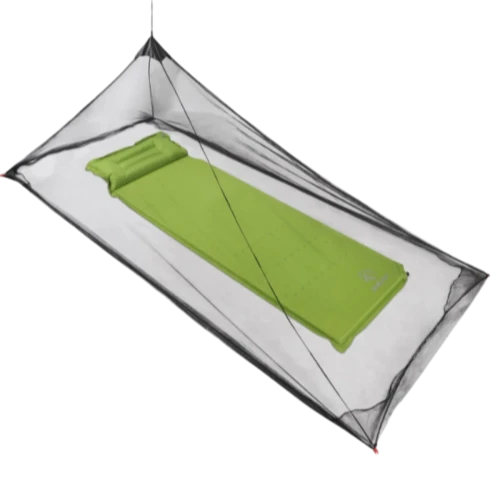
At its core, a hanging bed net is a fine mesh fabric netting, typically made from polyester or nylon, suspended above a sleeping area to keep mosquitoes and other insects out while allowing air flow. They can be treated with long-lasting insecticides to repel and kill mosquitoes on contact.
Beyond homes, these nets are essential in disaster relief camps, rural clinics, and refugee shelters—where modern infrastructure may not offer adequate protection from disease vectors.
Core Components That Make Hanging Bed Nets Effective
1. Material Durability
Polyester or polyethylene nets with UV-resistant coatings ensure the net withstands sun exposure and rough handling. This means a single net can last 3-5 years in harsh environments, which is crucial when assistive organizations have limited budgets.
2. Size and Scalability
Nets come in various sizes to fit single beds, double beds, and even large communal sleeping setups. Scalability is practical—more nets distributed equals broader disease coverage.
3. Insecticide Treatment
The embedded insecticide, usually permethrin, extends protection beyond the physical barrier by incapacitating mosquitoes on contact. Many nets comply with WHO Pesticide Evaluation Scheme (WHOPES) standards for long-lasting insecticidal nets (LLINs).
4. Ease of Installation
Simple hanging designs using loops and hooks have made these bed nets easy to deploy even by non-technical users, improving adoption rates.
5. Breathability and Comfort
A significant advantage is their breathability; while blocking insects, the net maintains air flow necessary for comfort in hot, humid regions.
Real-World Applications of Hanging Bed Nets
From rural African villages vulnerable to malaria to displaced populations settling in temporary shelters in Southeast Asia, hanging bed nets find their way into countless situations where protective health measures are scarce. The United Nations' refugee agencies rely heavily on these nets to reduce outbreaks of mosquito-borne diseases in camps. Meanwhile, NGOs target remote industrial mining zones with limited access to medical care, providing nets as a preventive measure.
In post-disaster scenarios—for example, after flooding—standing water often becomes a mosquito breeding ground, causing spikes in disease transmission. Rapid distribution of hanging bed nets serves as a cost-effective, immediate intervention to curb outbreaks.
Product Specification Table
| Specification | Description |
|---|---|
| Material | Polyester, UV Resistant |
| Mesh Size | 156 holes per sq. inch (approx.) |
| Insecticide Treatment | Permethrin (LLIN Standard) |
| Dimensions | 210cm x 180cm x 150cm (standard double size) |
| Weight | Approximately 400 grams |
| Lifespan | Up to 5 years (based on use conditions) |
Advantages and the Long-Term Value of Hanging Bed Nets
The tangible benefits of hanging bed nets ripple beyond immediate insect protection. Firstly, they dramatically reduce malaria incidence, decreasing the burden on healthcare systems and boosting productivity. For families, this means fewer sick days, less money spent on treatments, and peace of mind.
Beyond economics, there is the dignity factor. Sleeping comfortably without constant harassment from buzzing mosquitoes uplifts people's quality of life, particularly women and children—who are disproportionately vulnerable to mosquito bites at night.
Environmentally, treated hanging bed nets provide a focused, low-impact insect control method compared to broad-spectrum pesticide spraying. If integrated thoughtfully into community health programs, they support sustainable disease control strategies.
Comparing Leading Hanging Bed Net Vendors
| Vendor | Material Quality | Insecticide Type | Certifications | Price Range (USD) |
|---|---|---|---|---|
| SafeSleep Nets | Polyester, UV resistant | Permethrin (LLIN) | WHOPES, ISO 9001 | $6 - $9 |
| MosquitoGuard | Polyethylene, reinforced edges | Alpha-cypermethrin (LLIN) | WHOPES | $5 - $8 |
| EcoBarrier Nets | Recycled polyester blend | Permethrin, eco-certified | ISO 14001, WHOPES | $7 - $10 |
Looking Ahead: Innovations and Future Trends
Technology is steadily creeping into even this “simple” field. New insecticide compounds designed to slow the onset of mosquito resistance are under testing, while nanofiber mesh materials promise better durability and airflow.
More interestingly, some prototype smart nets are embedded with sensors that alert health agencies when damaged or overly worn, enabling timely replacements and better field data. Sustainability is also at the forefront—using recycled materials or bio-based insecticides appeals to increasingly eco-conscious implementers. Additionally, digital mapping of mosquito spread combined with bed net distribution aims to optimize resource deployment.
Common Issues and How They’re Overcome
- Improper use and damage: Nets can be torn or incorrectly hung, compromising protection. Training programs and community education have been proven effective countermeasures.
- Insecticide resistance: Mosquito adaptations are forcing continuous research into new compounds and rotating insecticides.
- Cultural barriers: In some areas, nets are used for fishing or other purposes. Community engagement campaigns help align local customs with health goals.
FAQ: Your Practical Questions Answered
Q1: How often should a hanging bed net be replaced?
A good rule of thumb is about every 3 to 5 years, depending on usage and wear. Nets lose insecticide effectiveness over time and may develop holes, reducing protection.
Q2: Can I wash a treated bed net without affecting insecticide?
Yes, but gently. Most LLINs can be washed up to 20 times following manufacturer instructions without losing efficacy. Avoid harsh detergents or scrubbing.
Q3: Are hanging bed nets effective against other insects?
Primarily, they're designed against mosquitoes, but they can also deter flies, midges, and other biting insects. However, their mesh size and insecticide may not cover all pests.
Q4: How adaptable are hanging bed nets to irregular bed shapes or spaces?
Most nets come in standard rectangular or conical shapes, but there are customizable options available for unusual spaces—consult vendors for bespoke solutions.
Q5: Where can I find reliable hanging bed nets for bulk purchase?
Vendors like SafeSleep Nets and NGOs often facilitate procurement with certification. Always choose WHOPES-approved and ISO-certified products for quality assurance.
Concluding Thoughts: A Simple Solution with Big Impact
It might feel odd that such a straightforward item—a hanging bed net—can have outsized effects on global health, economics, and dignity. But as numerous field reports and international health data reflect, they do. Safe sleep is a foundation of safety, and these nets provide it with quiet reliability.
If you or your organization are looking to invest in proven health interventions with measurable social returns, exploring high-quality hanging bed nets is a sure bet. For detailed specs and options, visit our website—we’re here to help you find a perfect fit.


Latest news
-
Best Guide to Choose a Screen Door for Sliding Door for Your Home
NewsApr.16,2026 -
The Ultimate Guide to Choosing a screen door for a sliding door
NewsApr.09,2026 -
Choosing the Perfect Patio Sliding Screen Door for Your Home
NewsApr.07,2026 -
Choosing the Best Patio Screen Door with Frame for Your Home and Lifestyle
NewsApr.04,2026 -
Comprehensive Guide to Net Sliding Door Price Factors and Options
NewsMar.31,2026 -
Enhance Your Outdoor Space with a Durable Net Sliding Door for Balcony
NewsMar.28,2026 -
Discover the Benefits of Net Door Sliding Systems for Modern Homes
NewsMar.26,2026