

Nov . 30, 2025 15:15 Back to list
Comprehensive Guide to Ceiling Mosquito Nets: Benefits, Uses & Innovations
Why Ceiling Mosquito Nets Matter: A Quick Overview
Ceiling mosquito nets are an unassuming hero in the fight against insect-borne diseases, especially malaria and dengue, which still trouble millions worldwide. Beyond just a practical tool, they represent a vital, low-tech but hugely effective way to protect health, preserve comfort, and improve quality of life. Understanding ceiling mosquito nets — how they’re designed, used, and sourced — matters globally because it touches on the intersection of public health, humanitarian aid, and even sustainable living.
They’re more than just nets hung from a ceiling; they’re part of a broader strategy to minimize insect contact indoors, which is crucial in tropical and subtropical zones. So whether you’re a public health official, an NGO professional, or a curious homeowner, grasping the basics and the innovation around ceiling mosquito nets offers surprising insights into practical protection.
The Global Context: Why Ceiling Mosquito Nets Are Still Essential
Globally, mosquito-borne illnesses infect hundreds of millions and cause significant mortality every year. According to the World Health Organization (WHO), malaria alone caused approximately 619,000 deaths in 2021 — many preventable with proper interventions like insecticide-treated nets.
It might seem odd, but in our age of vaccines and high-tech health solutions, something as simple as a ceiling mosquito net remains a frontline defense. In many parts of Africa, Asia, and Latin America, indoor insect exposure is a daily reality, and ceiling nets form a barrier that’s both physical and psychological — reassuring families that they can sleep without fear.
But there are challenges, too: durability issues, correct installation, and cultural acceptance sometimes hamper effective use. Global agencies like UNICEF and local governments often push for distribution campaigns to boost coverage, but it’s a constant juggling act to meet demand and ensure quality.
What Exactly Are Ceiling Mosquito Nets?
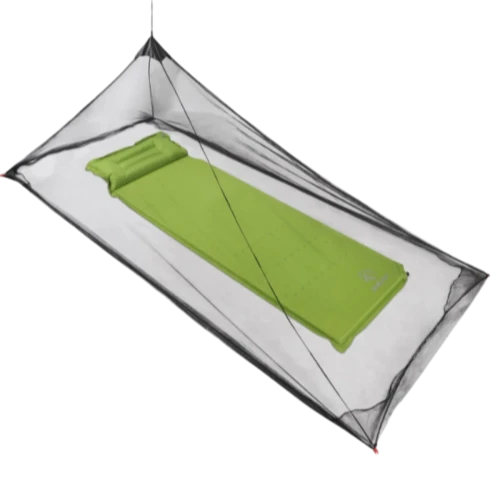
Simply put, a ceiling mosquito net is a mesh barrier suspended from the ceiling or overhead structure to cover sleeping or living spaces, preventing mosquitoes and other insects from reaching people. They differ from window or door screens by covering open sleeping areas from above, providing a 360-degree barrier.
In the humanitarian sphere, they’re part of integrated malaria prevention programs, often treated with insecticides to kill or repel mosquitoes. In urban settings, where window screens might be impractical or absent, these nets offer a simple, effective alternative.
Key Characteristics of Ceiling Mosquito Nets
- Fine Mesh Size: Small enough to exclude mosquitoes but allows airflow.
- Lightweight Fabric: Usually polyester or polyethylene, which is durable yet easy to handle.
- Insecticide Treatment: Optional but highly recommended to boost effectiveness.
- Easy Installation: Hanging points or hooks designed for quick setup.
Core Components That Define Ceiling Mosquito Nets
Durability
It’s not just about being strong — the material must resist UV exposure, repeated washing, and wear without shrinking or tearing. Many engineers prefer polyethylene for its UV stability, but some premium nets use polyester blends that feel softer yet still hard-wearing.
Scalability
In large-scale distribution, nets need to be mass-produced, packed compactly, and shipped efficiently. Manufacturers optimize folding techniques and fabric thickness to hit balance — cheap enough to mass deploy but solid enough to last 3+ years.
Cost Efficiency
Here’s the tricky bit: cost must be low to reach vulnerable populations but not so low that quality suffers. Bulk purchasing and partnerships with NGOs often drive prices down, yet affordability remains a barrier in many remote regions.
Ease of Use
Too complicated, and people won’t use it properly. Ceiling nets that come with clear, multilingual instructions and simple suspension hardware win. Sometimes, including local community education is half the battle.
Environmental Impact
Eco-conscious users and organizations seek biodegradable or recyclable materials. Some innovative brands now experiment with nets made from recycled plastics, or insecticide-free netting that relies on physical barriers alone.
Where Ceiling Mosquito Nets Are Making a Difference
Across sub-Saharan Africa, ceiling mosquito nets are a cornerstone of malaria prevention initiatives. For example, during mass distribution campaigns in countries like Ghana and Kenya, millions of nets reach remote villages thanks to partnerships between NGOs and governments.
In Southeast Asia, dengue fever is a growing concern, so households use ceiling nets seasonally to reduce exposure, especially in rural and suburban homes lacking window screens.
Other use cases include:
- Disaster relief camps where tents are vulnerable to mosquitoes.
- Refugee settlements in the Middle East and Africa where conventional housing lacks insect protection.
- Low-cost housing projects in tropical urban centers, improving sleep quality.
Mini Takeaway:
Ceiling mosquito nets aren’t just household items; they’re frontline resources where traditional infrastructure is lacking. They adapt across contexts — emergency shelters, private homes, clinics — proving their versatility.
Advantages and Lasting Value of Ceiling Mosquito Nets
If you stop to think about it, the long-term value here is profound. One net can protect a family for years, reducing illness, medical costs, and even absenteeism from work or school.
On the social side, the dignity afforded by a good night’s sleep under a protective barrier can’t be overstated. Think about the peace of mind it instills to know your children are shielded.
For sustainability advocates, modern nets that use less insecticide or recyclable materials fit into a greener picture. From a financial perspective, prevention is always cheaper than cure — an aspect many health economists love.
Innovations on the Horizon
The future of ceiling mosquito nets is quietly exciting. There’s work around using AI sensors embedded into nets for monitoring mosquito activity — yes, really! This could one day alert households or even health services to outbreaks.
Material science isn’t standing still either. Nanotechnology coatings and bio-based fabrics promise nets that are longer-lasting, insect-repellent without chemicals, and friendlier to skin.
We’re also seeing increasing collaboration with renewable energy. For example, low-voltage heated frames or UV sterilizers powered by solar panels could complement traditional nets.
Challenges: What Holds Ceiling Mosquito Nets Back?
The most common gripe from users is net tears and difficulty reinstalling them after washing. Incidentally, I heard from a volunteer in Malawi that many families repurpose nets for fishing or gardening — which, while resourceful, defeats the health purpose.
Cost, as mentioned, is still a hurdle in some regions, especially when distribution is disrupted. Additionally, insecticide resistance in mosquitoes means that some chemical treatments lose impact over time.
Experts suggest more community engagement, better training on net care, and supporting local manufacturing to tackle these issues sustainably.
Quick FAQ About Ceiling Mosquito Nets
- How long does a typical ceiling mosquito net last?
- With proper care, most quality nets last 3 to 5 years before needing replacement, depending on usage and maintenance.
- Can I use ceiling mosquito nets in urban apartments?
- Absolutely. In areas lacking window screens or in multi-occupancy rooms, ceiling nets provide a flexible alternative.
- Are insecticide-treated ceiling mosquito nets safe for children?
- Yes, when properly treated according to WHO guidelines, they’re safe and effective in reducing mosquito bites in children.
- How are ceiling nets best installed?
- Installation depends on the space but generally involves suspending the net from ceiling hooks or frames to ensure full enclosure of sleeping areas.
- Where can I buy reliable ceiling mosquito nets?
- Trusted suppliers range from NGOs, specialized online retailers, to local markets in endemic regions. Always look for quality certifications and customer reviews.
Product Specification Table
| Feature | Typical Value | Notes |
|---|---|---|
| Material | Polyethylene / Polyester | Lightweight, UV resistant |
| Mesh Size | 156 holes/inch² (approx.) | Prevents mosquito entry, allows airflow |
| Insecticide Treatment | Permethrin or Deltamethrin | WHO recommended, optional |
| Dimensions | 2m x 3m typical | Fits average single/double beds |
| Weight | Around 400g | Portability for field use |
| Warranty | 1-2 years | Varies by manufacturer |
Vendor Comparison
| Vendor | Price Range (USD) | Mesh Material | Insecticide Treatment | Ideal Use |
|---|---|---|---|---|
| SafeSleep Nets | $7 - $12 | Polyethylene | Pre-treated (Permethrin) | Humanitarian & Home Use |
| EcoMesh Solutions | $10 - $18 | Bio-based Polyester | No chemical treatment | Eco-conscious consumers |
| VectorGuard Corp. | $5 - $9 | Polyethylene | Optional treatment | Bulk Distribution Programs |
Wrapping It Up: Why Ceiling Mosquito Nets Still Make Sense
In the rush for high-tech health innovations, ceiling mosquito nets quietly remind us that sometimes simple solutions carry the most impact. They tie into economies, cultures, and health in ways many products struggle to match. Whether you’re an NGO outfitting a relief camp or a family seeking peaceful sleep, investing in the right ceiling mosquito net is more than a buy. It’s a cornerstone of resilient living.
Thinking of exploring nets or updating your supply chain? Visit our website to learn more about the best, most reliable ceiling mosquito nets on the market: crscreen.com. You might just find the perfect fit for your context.
Mini Takeaway:
Simple. Effective. Enduring. Ceiling mosquito nets continue to be an essential tool in global health strategy with room for exciting innovations ahead.
References

Latest news
-
Best Guide to Choose a Screen Door for Sliding Door for Your Home
NewsApr.16,2026 -
The Ultimate Guide to Choosing a screen door for a sliding door
NewsApr.09,2026 -
Choosing the Perfect Patio Sliding Screen Door for Your Home
NewsApr.07,2026 -
Choosing the Best Patio Screen Door with Frame for Your Home and Lifestyle
NewsApr.04,2026 -
Comprehensive Guide to Net Sliding Door Price Factors and Options
NewsMar.31,2026 -
Enhance Your Outdoor Space with a Durable Net Sliding Door for Balcony
NewsMar.28,2026 -
Discover the Benefits of Net Door Sliding Systems for Modern Homes
NewsMar.26,2026