

Nov . 30, 2025 16:50 Back to list
Ceiling Mounted Mosquito Nets – Global Protection Against Vector-Borne Diseases
Ceiling Mounted Mosquito Nets: Why You Should Care
On the surface, a ceiling mounted mosquito net might sound like a simple household solution to pesky insects. But peel back a layer, and you'll find it's so much more—a crucial tool in global health, housing security, and sustainable living. From combating malaria in tropical regions to enhancing comfort in remote work camps, these nets bring both safety and dignity. Understanding their evolving role reveals just how critical a small piece of mesh can be in big-picture global challenges.
Mini takeaway: Ceiling mounted mosquito nets blend practicality and protection, impacting health and living quality worldwide.
The Global Context: Mosquito Nets Beyond Bedrooms
Mosquito nets have caught the attention of the World Health Organization (WHO) largely due to vector-borne diseases like malaria, which claimed over 620,000 lives globally in 2021, according to WHO statistics.[1] Deploying durable insect barriers, especially ceiling mounted mosquito nets, is a frontline defense. These nets go beyond personal bedrooms—they're integral in refugee camps, field hospitals, and even industrial dormitories. In regions where malaria, dengue, and Zika viruses threaten millions, a ceiling-mounted setup keeps mosquitoes off the floor and away from sleeping quarters.
Yet challenges persist: traditional nets can be cumbersome, difficult to install, or fail to suit non-residential environments. Industry innovators are responding with designs that marry durability, ease of use, and scalability—a challenge that makes this a dynamic, fast-moving field.
Mini takeaway: Ceiling mounted mosquito nets address serious health risks globally, requiring engineering and distribution solutions tailored to diverse environments.
What Exactly Are Ceiling Mounted Mosquito Nets?
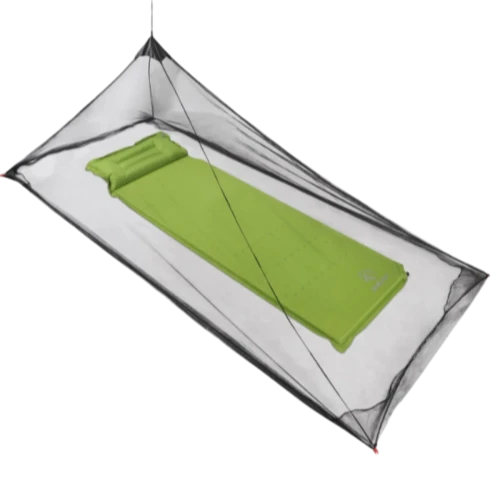
Simply put, these are protective mesh nettings hung from the ceiling to create an insect-free sleeping or resting space. Unlike tent-style or wall-mounted nets, ceiling installations offer unobstructed airflow and maximize usable room. These nets connect to hooks, rails, or retractable mechanisms fixed firmly in ceilings, making them stable and less prone to damage.
In humanitarian or industrial terms, they often form part of rapid deployment shelters, temporary clinics, or workforce housing, where protecting occupants from insect-borne diseases is vital. They're a quiet hero in global health logistics—sometimes overlooked, but absolutely essential in controlling disease vectors while maintaining comfort and hygiene.
Mini takeaway: Ceiling mounted mosquito nets combine straightforward design and smart functionality, essential for mosquito control in various settings.
Core Components That Make Them Work
1. Durability and Material Quality
Most nets are crafted from polyester or polyethylene mesh, but what sets ceiling mounted nets apart is their reinforced frame attachments and UV-resistant coatings. This matters because many are installed in harsh outdoor or semi-outdoor environments—think tropical rains or dusty industrial camps. Durability means longer service life, reducing recurring costs and logistical headaches.
2. Scalability and Size Options
Users range from individual homeowners to large-scale refugee facilities housing thousands. Ceiling mounted nets come in various sizes—from single sleeping nets to expansive communal dormitory models that cover several beds simultaneously. Scalability saves installation time and adapts to diverse accommodation types.
3. Easy Installation and Maintenance
Installation is often the thorny part when deploying nets in emergency or remote settings. Many modern designs use snap hooks, quick-release clips, or retractable reels to simplify setup, with washable materials ensuring hygiene without complex maintenance.
4. Cost Efficiency
While the initial investment may seem steep compared to simple nets, ceiling mounted options often outperform in long-term cost-efficiency due to durability, less insect intrusion, and reduced health risks.
5. Comfort and Airflow
They’re designed to allow maximum airflow while preventing mosquito ingress, making them much more comfortable than fully enclosed tents or bulky netting walls.
| Feature | Typical Value | Notes |
|---|---|---|
| Material | Polyester mesh, 180-240 denier | UV and mildew resistant |
| Mesh Size | 156 holes/sq inch | Effective mosquito barrier |
| Frame & Fittings | Aluminum hooks & rails | Corrosion-proof |
| Weight | 350-600 grams | Varies by size |
| Installation Time | 10-30 minutes | With basic tools |
Real-World Deployments: From Disaster Zones to Industry Camps
The practical applications for ceiling mounted mosquito nets are surprisingly varied. In malaria-endemic countries like Ghana and Tanzania, NGOs distribute them in refugee camps and rural clinics to reduce infection rates. Meanwhile, mining camps in remote South American and Southeast Asian jungles install ceiling mounted nets in worker dormitories as a standard safety measure.
After natural disasters, rapid emergency shelters equipped with mosquito nets have proven lifesaving, protecting vulnerable populations amidst crowded conditions where disease transmission spikes. Even luxury eco-lodges leverage custom ceiling mounted nets to blend protection with style.
Ceiling mounted mosquito nets also play a role in urban settings with open windows and ventilation, proving their versatility beyond grassroots or industrial usage.
Mini takeaway: Whether in emergency relief or sustainable hospitality, ceiling mounted mosquito nets adapt to diverse needs worldwide.
Advantages Beyond Bugs
- Health protection: Cuts vector-borne disease risk dramatically, saving lives.
- Cost savings: Durable nets reduce repeat purchases and health-care costs.
- Trust and dignity: Provides safe, comfortable personal spaces, maintaining privacy.
- Environmental sustainability: Many nets are reusable, washable, and increasingly made with eco-friendly materials.
Frankly, when you speak to field workers and relief coordinators, the reliability of a well-installed ceiling mounted mosquito net can make or break a deployment's success. It’s a quiet innovation that fosters dignity and peace of mind.
What’s Next? Trends Shaping the Industry
Innovation is turning toward enhanced materials—like biodegradable fibers and smart fabrics embedded with insect-repellent technology powering off natural oils or long-lasting chemical treatments. Digital traceability for batch testing is becoming standard, ensuring product integrity from factory to field.
Energy-conscious installations integrating solar-powered fans or UV sterilizers to supplement protection are also gaining traction. Automation in manufacturing is shrinking costs, promising wider accessibility.
Oh, and there's a lot of talk around modular designs that combine ceiling mounted nets with climate control solutions—sort of a hybrid protective cocoon that’s as comfortable and safe as a mini-bedroom.
Common Challenges and How Industry Deals With Them
Even the best ceiling mounted mosquito nets face troubles like installation difficulties on uneven ceilings, wear from heavy usage, or reduced effectiveness if not maintained properly. There's also skepticism about long-term investment versus simpler netting.
To tackle this, vendors now provide installation training kits, easy-replace components, and warranties. NGOs often pair net distribution with educational programs to boost proper use and care. The move toward user-centric design also helps, making nets more appealing and less “just equipment.”
Vendor Comparison: Picking the Right Ceiling Mounted Mosquito Net Supplier
| Vendor | Material Quality | Installation Support | Price Range | Sustainability Features |
|---|---|---|---|---|
| SafeSleep Co. | High (Polyester, treated) | Installation videos & kits | $$$ | Recyclable packaging |
| EcoNet Solutions | Medium (Biodegradable fibers) | Remote training workshops | $$$$ | Carbon-neutral production |
| FieldGuard Inc. | High (UV-resistant) | On-site assistance available | $$ | Eco-friendly dyes used |
Frequently Asked Questions About Ceiling Mounted Mosquito Nets
Q1: Can ceiling mounted mosquito nets be installed in rooms without traditional ceilings?
A: Yes, many designs include flexible mounting kits suitable for uneven or exposed structural elements such as rafters, poles, or beams, commonly found in tents or temporary shelters.
Q2: How long does a ceiling mounted mosquito net typically last?
A: With proper care, these nets can last 3–5 years or longer. Material quality, environmental exposure, and maintenance all influence lifespan.
Q3: Are these nets easy to clean and maintain?
A: Absolutely. Most are machine washable or can be hand-cleaned with mild soap. Proper maintenance helps preserve insect-repellent treatments if applied.
Q4: Do ceiling mounted mosquito nets require professional installation?
A: Not necessarily. Thanks to quick install systems, many users can set them up themselves, though professional assistance may be preferable for large-scale or complex setups.
Q5: Can they be customized for different sizes or environments?
A: Yes, customization options abound—from size to mesh color, to adding insecticide impregnation, tailored to specific regional risks or aesthetic preferences.
Bringing It All Together: Your Next Step
Ceiling mounted mosquito nets represent a smart blend of simple physics, thoughtful design, and global impact. They keep millions safer, healthier, and more comfortable every day, whether in bustling cities, remote camps, or splashy eco-lodges. The long-term benefits—from reduced disease transmission to improved quality of life—mean these nets deserve a second look by anyone invested in sustainable living or humanitarian aid.
Thinking about protecting your facility or community? Visit https://www.crscreen.com for industry-leading solutions and expert guidance.
References
Latest news
-
Best Guide to Choose a Screen Door for Sliding Door for Your Home
NewsApr.16,2026 -
The Ultimate Guide to Choosing a screen door for a sliding door
NewsApr.09,2026 -
Choosing the Perfect Patio Sliding Screen Door for Your Home
NewsApr.07,2026 -
Choosing the Best Patio Screen Door with Frame for Your Home and Lifestyle
NewsApr.04,2026 -
Comprehensive Guide to Net Sliding Door Price Factors and Options
NewsMar.31,2026 -
Enhance Your Outdoor Space with a Durable Net Sliding Door for Balcony
NewsMar.28,2026 -
Discover the Benefits of Net Door Sliding Systems for Modern Homes
NewsMar.26,2026