

Nov . 30, 2025 18:30 Back to list
Mosquito Net Ceiling: A Practical Guide to Global Health and Comfort Solutions
What Is a Mosquito Net Ceiling and Why Should We Care?
If you’ve ever been in a tropical climate or a malaria-prone zone, you know mosquitoes aren’t just a nuisance—they can be deadly. Enter the mosquito net ceiling: a clever, often overlooked solution that meshes practicality with health safety on a global scale. At its core, a mosquito net ceiling is a suspended mosquito net system installed on a room’s ceiling, creating a bug-proof barrier that’s breathable, unobtrusive, and highly effective in keeping disease-carrying insects at bay. Why does this matter? According to the World Health Organization (WHO), malaria alone causes over 400,000 deaths annually, with mosquitoes as the prime culprit. Protecting people indoors is crucial, and mosquito net ceilings have an edge over traditional bed nets because they cover larger spaces, reduce direct contact, and fit well with modern, urban living environments. Oddly enough, despite all our tech advances, something as simple as a mosquito net ceiling remains one of the best defenses—and understanding their benefits helps both the health sector and residential markets globally.The Global Importance of Mosquito Net Ceilings
Globally, mosquito net ceilings aren’t just a good idea; they’re a key public health tool. The United Nations notes that about half the world's population is at risk of mosquito-borne illnesses like dengue, chikungunya, and Zika virus, along with malaria. Traditional mosquito nets protect beds, but what about open spaces or communal rooms? That’s where mosquito net ceilings come into play, offering larger-scale protection. In many parts of Africa, Asia, and Latin America, households and humanitarian projects have started installing these ceilings in schools, clinics, and homes. They’re cheap to produce, easy to install, and don’t require electricity—an important advantage in off-grid or disaster-affected areas. Still, the challenge rests in raising awareness and making these ceiling installs scalable and customizable to each region’s architectural constraints and cultural preferences.What Exactly Is a Mosquito Net Ceiling?
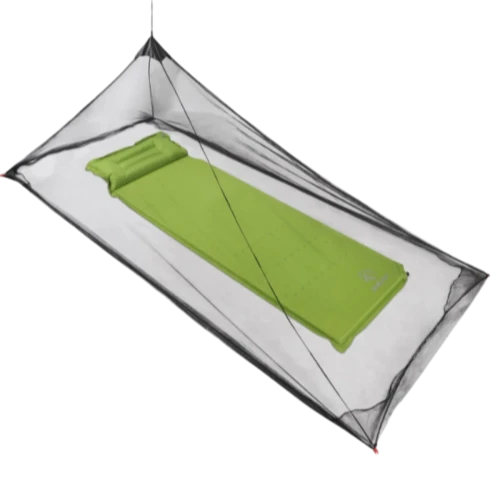
Think of a mosquito net ceiling as a fabric canopy hanging from a room’s ceiling, often secured by hooks or rails, that encloses an entire room or section of it. Unlike the everyday bed net that drapes over a bed, the ceiling variant protects an entire vertical living space. Made from mesh materials like polyester or polyethylene, these nets have pores small enough to block mosquitoes but large enough to allow easy airflow and light—helping keep rooms comfortable and bright. From a humanitarian viewpoint, they fill a gap left by bed nets, fences, or chemical repellents. They’re particularly relevant in crowded spaces where multiple people sleep or work under a single roof, and where individual nets would be impractical.Core Components of a Mosquito Net Ceiling
- Durability: The fabric needs to resist daily wear, UV rays, and sometimes smoke or humidity. Most quality nets meet ISO standards ensuring a good balance of strength and breathability.
- Porosity & Mesh Size: Usually between 150-250 holes per square inch—a size safe enough to block most mosquitoes but not suffocating for airflow.
- Installation Ease: Systems often use lightweight frames, hooks, or rails. Some new designs feature zippered doors, magnets, or retractable panels for user convenience.
- Scalability: They can fit anywhere from small residential rooms to large hospital wards and classrooms.
- Cost Efficiency: Materials and production are inexpensive, and they require minimal maintenance versus chemical repellents.
- Eco-friendliness: Many modern nets use recyclable fibers or are treated with long-lasting insecticides that reduce environmental impact.
How and Where Are Mosquito Net Ceilings Being Used Around the World?
Mosquito net ceilings have found their footing in areas where insect-borne diseases remain endemic. In Southeast Asia and Sub-Saharan Africa, they’re standard fixtures in health clinics and school dormitories. For example, in post-disaster relief operations—think cyclone-affected Bangladesh or flood zones in Mozambique—temporary shelters use mosquito net ceilings to provide immediate, hygienic, and long-term insect protection without electricity or complex infrastructure. Industrial zones prone to mosquito infestations, such as mining camps in the Amazon or plantations in Southeast Asia, also employ these nets to protect shift workers who rest on-site. Some hotels and eco-lodges in tropical tourist destinations promote mosquito net ceilings as a chic alternative to bulky nets, enhancing comfort and aesthetic appeal simultaneously. Here’s a quick look at product specs for a typical mosquito net ceiling model:| Specification | Details |
|---|---|
| Material | Polyester mesh, breathable and UV resistant |
| Mesh Size | 200 holes per square inch |
| Dimensions | 3m x 3m x 2.5m (height adjustable) |
| Installation | Ceiling hooks and aluminum rails included |
| Treatment | Long-lasting permethrin insecticide coating option |
| Weight | Under 1kg (lightweight for portability) |
The Benefits of Mosquito Net Ceilings: Beyond the Basics
Everyone loves a product that’s useful and, frankly, kind of simple. But mosquito net ceilings deliver more than just bug protection:- Cost-Effective: They dramatically reduce medical costs by preventing mosquito bites and disease spread.
- Environmental Safety: Unlike fumigants, they require no chemicals sprayed indoors daily, making living spaces healthier.
- User Comfort: They let in light, airflow and cause no claustrophobia—a significant improvement over bulky nets.
- Boosted Trust & Peace of Mind: Communities feel safer and more dignified when protected indoors.
- Long-Term Durability: Many nets last several years, especially when maintained properly, which is great for sustainability.
Future Trends for Mosquito Net Ceilings
The industry isn’t resting on its mesh. Recent trends are pretty exciting: - Improved materials: biodegradable and recycled fibers are becoming popular, addressing waste concerns. - Smart mosquito nets: integrated with sensors or treated with newer, greener insecticides for longer effectiveness. - Modular, customizable frames: snap-together rails and magnetic closures could make DIY installs easier worldwide. - Integration with green energy: Some nets include LED lights powered by solar strips, enhancing nighttime safety inside. Digital transformation might soon bring mobile apps and sensor alerts to track mosquito activity closest to high-risk areas—a minor leap that might help distribute mosquito nets more effectively.Common Challenges and How Industry Leaders Are Tackling Them
Of course, nothing’s perfect. Some issues persist with mosquito net ceilings: - Installation difficulties in irregularly shaped or vaulted ceilings. - Wear and tear in high-traffic or poorly ventilated spaces. - Resistance to insecticide treatments rising among mosquito populations. Experts recommend modular designs and routine safety audits. NGOs are investing in community training and encouraging local fabric production for repair ease. New insecticide formulations also aim to prevent resistance—a classic arms race in pest control.Vendor Comparison Table: Leading Mosquito Net Ceiling Providers
| Vendor | Material Quality | Installation Options | Price Range | Additional Features |
|---|---|---|---|---|
| SafeNet Corp | High-grade polyester, UV-resistant | Pre-installed rails, hook kits | $40–$70 | Insecticide-treated, zippered access panels |
| EcoBarrier Solutions | Recycled fibers, biodegradable coatings | Magnet lock frames, DIY friendly | $50–$90 | Solar LED integration |
| HealthShield | Standard polyester mesh | Hook & rail kits | $30–$60 | Long-lasting insecticide treatment options |
FAQs on Mosquito Net Ceiling
1. How does a mosquito net ceiling differ from a traditional bed net?
While a traditional bed net covers only the sleeping surface, a mosquito net ceiling encloses an entire room or space from above. This broader coverage reduces direct contact with mosquitoes and works better in shared or multi-person rooms.
2. Can mosquito net ceilings be installed in homes with unusual ceiling shapes?
Yes, many modern mosquito net ceilings come with modular and flexible installation systems. For vaulted or sloped ceilings, customized rails or adjustable hooks work well, though professional consultation might help ensure a tight seal.
3. How long does insecticide treatment on mosquito net ceilings last?
Long-lasting insecticide treatments typically remain effective for 6–12 months, depending on use and cleaning. Retreatment or replacement is recommended thereafter for optimal protection.
4. Are mosquito net ceilings washable and reusable?
Most mosquito net ceilings are washable with mild soap and water. However, insecticide-treated nets require careful handling to preserve coatings. Always follow manufacturer instructions to retain durability and efficacy.
5. Where can organizations source mosquito net ceilings for relief projects?
Several specialized vendors and NGOs supply mosquito net ceilings worldwide. It’s advisable to work with certified suppliers ensuring product quality and compliance with WHO or ISO standards. Importing typically involves customs clearance and specific health-related certifications.
Wrapping It Up: The Lasting Promise of Mosquito Net Ceilings
Mosquito net ceilings may seem modest but they pack a powerful punch in public health and comfort. Offering scalable, cost-effective protection with promising innovations on the horizon, they represent a blend of smart design and social good. If you’re curious about bringing this solution into your home, clinic, or relief operation, why not check out mosquito net ceiling products today? From basic installations to smart, eco-friendly models, there’s something suited for every need. --- ### Mini Takeaway Mosquito net ceilings combine health protection, comfort, and sustainability in a neat package. They’re an unsung hero in the ongoing fight against mosquito-borne diseases and will likely stay relevant for decades. ---References

Latest news
-
Best Guide to Choose a Screen Door for Sliding Door for Your Home
NewsApr.16,2026 -
The Ultimate Guide to Choosing a screen door for a sliding door
NewsApr.09,2026 -
Choosing the Perfect Patio Sliding Screen Door for Your Home
NewsApr.07,2026 -
Choosing the Best Patio Screen Door with Frame for Your Home and Lifestyle
NewsApr.04,2026 -
Comprehensive Guide to Net Sliding Door Price Factors and Options
NewsMar.31,2026 -
Enhance Your Outdoor Space with a Durable Net Sliding Door for Balcony
NewsMar.28,2026 -
Discover the Benefits of Net Door Sliding Systems for Modern Homes
NewsMar.26,2026