

Nov . 30, 2025 12:00 Back to list
Comprehensive Guide to Mosquito Hanging: Protection, Innovation & Global Impact
What Is Mosquito Hanging and Why Does It Matter Globally?
At first glance, the phrase “mosquito hanging” might evoke images of tiny insects dangling in midair. But in the industry and humanitarian sectors, it refers to the strategic installation of mosquito nets or mesh systems suspended — often hung from ceilings, frames, or even specially designed structures — to prevent mosquito bites and thus reduce vector-borne diseases.
This approach isn’t just a clever pest deterrent; it’s a critical public health tool worldwide. Mosquito-borne illnesses like malaria, dengue, and Zika virus affect millions annually, especially in tropical and subtropical regions. According to the World Health Organization (WHO), malaria alone caused over 600,000 deaths in 2021. Preventative solutions like mosquito hanging nets are frontline defenses, especially in areas lacking reliable medical infrastructure.
Understanding mosquito hanging — its materials, deployment methods, and innovations — unlocks safer homes, healthier communities, and smarter relief interventions. Underestimating its value risks not only health but human dignity and economic productivity.
The Global Context: Why the Need for Mosquito Hanging Is Urgent
To put it bluntly: mosquitoes are a world problem, and mosquito hanging is a global solution in many ways. The United Nations estimates that nearly half of the world’s population lives in areas at risk for mosquito-borne diseases. Rapid urbanization, climate change, and international travel exacerbate the spread, meaning even regions once considered safe are increasingly vulnerable.
In humanitarian crises — think refugee camps or disaster recovery zones — housing quality often plummets, inviting surges of mosquito populations. Traditional reliance on insecticides faces challenges due to resistance development and environmental impact. That's where mosquito hanging nets shine: as a sustainable, non-toxic barrier that's relatively quick to install and maintain.
In a nutshell, mosquito hanging meshes nicely with global health goals, including the WHO Global Technical Strategy for Malaria 2016–2030, which stresses vector control as a cornerstone of disease reduction.
Defining Mosquito Hanging: What Is It Exactly?
Mosquito hanging generally means fixing fine-mesh fabric—usually polyester or polyethylene—over sleeping and living areas, suspending these nets so they drape completely around without gaps. Unlike handheld repellents or external sprays, they create a physical barrier.
Modern mosquito hanging products are often treated with insecticides (like permethrin), extending protection. But they vary widely — from simple household bed nets to integrated systems in temporary shelters or complex hospital wards.
The term unfolds into a niche yet essential technology that crosses humanitarian aid, everyday home safety, and even industrial site worker welfare. It links ordinary textiles with high-grade design focused on ease of use, durability, and adaptability to harsh climates.
Key Aspects That Define Effective Mosquito Hanging
1. Durability
Out in the field — whether a tropical village or a rainy refugee camp — nets must withstand sun, rain, wear and tear for months, even years. Synthetic fibers like polyester offer longevity, resisting mildew and UV damage better than cotton does. The quality of stitching and reinforced edges help prevent tears, which otherwise compromise protection.
2. Mesh Size and Breathability
The mesh must be tight enough to block tiny mosquitoes (often 1.5–2.0 mm openings or less) but still let air flow freely. Oddly enough, too dense a mesh can make interiors stifling in hot climates. That’s why manufacturers strike a balance, prioritizing mosquito exclusion without turning nets into bathtubs of sweat.
3. Installation and Scalability
How easy is it to hang the net? Are anchor points included? Can it be scaled from a single bed unit to cover entire rooms or public spaces? Practical design enhances adoption rates. Some mosquito hanging systems come with frames or ceiling hooks; others rely on user ingenuity — which isn’t always reliable.
4. Cost Efficiency
The best mosquito net is cheap enough to deploy by the millions but robust enough to last seasons. NGOs, governments, and private-sector partners often juggle budgets, procurement logistics, and quality tradeoffs. Finding that sweet spot often dictates success or failure of mosquito control programs.
5. Environmental and Health Safety
Many modern mosquito nets are insecticide-treated, which helps kill or repel mosquitoes upon contact. However, concerns over chemical exposure and environmental impact push the industry toward more sustainable, less toxic solutions, like biodegradable nets or integrated pest management strategies that pair hanging with other natural controls.
Mosquito Hanging Around the World: Real-Life Applications
The beauty of mosquito hanging is how universally adaptable it is. Here are some notable settings where it truly shines:
- Sub-Saharan Africa: Longstanding malaria hotspot where mass distribution campaigns provide millions with insecticide-treated nets (ITNs). These programs are often linked with education, usage monitoring, and replacement cycles.
- South and Southeast Asia: Dengue fever epidemics make mosquito hanging another frontline defense in urban and semi-urban environments.
- Disaster Relief Zones: In sudden displacement following floods or conflicts, quickly deployable mosquito hanging tents or netted shelters curb the spread of disease when health infrastructure is compromised.
- Industrial Camps and Remote Worksites: Mining or agricultural sites in risky climates sometimes utilize mosquito mesh walls and ceilings for worker housing, improving workforce health and safety.
For example, in Mozambique's Cyclone Idai aftermath (2019), aid agencies distributed over 200,000 insecticide-treated nets to displaced families, significantly reducing malaria cases in emergency shelters.
Mini takeaway:
Mosquito hanging is versatile — from everyday homes to emergency tents — adapting to diverse environments with one aim: protection.
The Advantages of Mosquito Hanging: Beyond Just Blocking Bugs
When I first encountered mosquito hanging tech, I thought it was a straightforward product. But it's far more. Benefits unfold on multiple levels:
- Health Protection: Reduced malaria and dengue rates mean less strain on health systems and families.
- Economic Impact: Less illness translates to fewer work absences, higher productivity, and better education outcomes.
- Psychological Comfort: Sleeping under a mosquito net offers peace of mind and better quality rest.
- Eco-Friendliness: Netting is a non-chemical, sustainable method compared to blanket insecticide sprays.
Product Specifications: A Typical Mosquito Hanging Net
| Feature | Specification |
|---|---|
| Material | Polyester fiber (treated with permethrin) |
| Mesh Size | 156 holes per square inch (~1.2 mm aperture) |
| Dimensions | 2.0 m x 1.8 m x 1.5 m (bed type) |
| Weight | 450 grams |
| Installation Type | Ceiling hung via four corner hooks, easy setup |
| Durability | Up to 3 years under normal use |
Comparing Leading Mosquito Hanging Solutions
Not all mosquito nets are cut from the same cloth—literally and figuratively. Here's a quick comparison of a few prominent suppliers that NGOs and governments frequently consider:
| Brand | Material & Treatment | Price Range (USD) | Durability (Years) | Typical Use-Case |
|---|---|---|---|---|
| SafeSleep™ | Polyester, permethrin-treated | 4.50 - 7.00 | 3 | Household use, large deployments |
| EcoMesh Net | Biodegradable polymer, no insecticide | 6.00 - 9.00 | 2 | Eco conscious campaigns, short term use |
| QuickHang Pro | Nylon, insecticide-treated, reinforced mesh | 7.50 - 10.00 | 4+ | Disaster relief shelters, industrial camps |
Looking Ahead: Future Trends & Innovations in Mosquito Hanging
Looking forward, the field isn’t standing still. I’m noticing increased interest in smart textiles embedded with sensors monitoring mosquito presence or net damage. Also, advances in environmentally friendly insecticide treatments, like botanical repellents, offer promise for safer, greener products.
Automation and digital supply chains improve distribution, ensuring that mosquito hanging nets reach remote communities faster. Some companies are experimenting with solar-powered “mosquito zappers” integrated into hanging nets, blending passive and active protection.
Challenges & Solutions: What’s Holding Mosquito Hanging Back?
Though reliable, mosquito hanging faces issues:
- Improper Installation: Gaps or holes reduce effectiveness—training and quality control are critical.
- Wear & Tear: Nets can be easily torn by children, pets, or rough handling.
- Cultural Acceptance: Some users find sleeping under nets uncomfortable or inconvenient.
- Environmental Impact: Non-biodegradable nets add to plastic waste if disposal is ignored.
To address these, organizations are focusing on community education, improved net design (like tear-resistant fabrics), and environmentally responsible recycling programs. It’s a work in progress — yet one worth pursuing diligently.
Frequently Asked Questions About Mosquito Hanging
- Q: How effective are mosquito hanging nets compared to insecticide sprays?
- A: Mosquito nets provide a physical barrier that works consistently, whereas sprays depend on chemical coverage and resistance patterns. Nets reduce night-time bites, protect while sleeping, and avoid chemical overexposure.
- Q: How long does a typical insecticide-treated mosquito net last?
- A: Most insecticide-treated nets last about 3 years or 20 washes, depending on care and environmental conditions.
- Q: Can mosquito hanging nets be used outdoors or in tents?
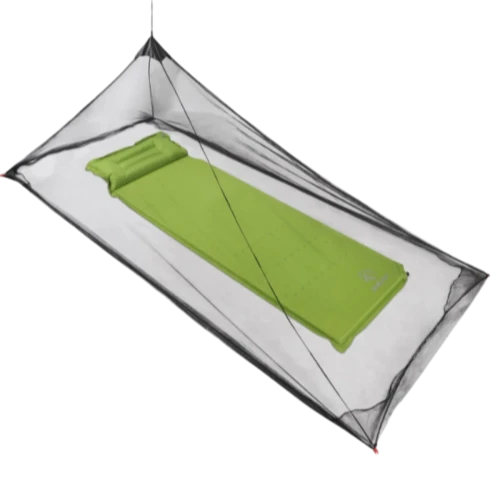
- A: Yes, specially designed nets with durable materials and frames are made for tents and outdoor use in disaster or camping situations.
- Q: Are mosquito hanging nets safe for children and pregnant women?
- A: Yes, when used as directed, insecticide treatments like permethrin are considered safe. Always ensure proper instruction and avoid excessive chemical exposure.
- Q: How can NGOs procure mosquito hanging nets for international programs?
- A: NGOs often partner with certified manufacturers or distributors offering bulk pricing, quality assurance, and certification (e.g., WHO Pesticide Evaluation Scheme compliance).
Final Thoughts
Mosquito hanging isn’t just a niche product — it’s a lifeline for millions living under the constant threat of vector-borne diseases. Its blend of simplicity and sophisticated material science makes it uniquely positioned to balance cost, durability, and safety. As technologies evolve, and as more communities embrace these solutions, the promise of healthier, more secure lives grows stronger.
If you want to dive deeper or source reliable mosquito hanging products, check out our resources here. Sometimes small nets make the biggest difference.
References:
1. World Health Organization, Malaria Fact Sheet, 2023.
2. United Nations, Population at Risk of Vector-borne Diseases, 2022.
3. ISO standards on mosquito net specifications and safety guidelines, 2021.

Latest news
-
Best Guide to Choose a Screen Door for Sliding Door for Your Home
NewsApr.16,2026 -
The Ultimate Guide to Choosing a screen door for a sliding door
NewsApr.09,2026 -
Choosing the Perfect Patio Sliding Screen Door for Your Home
NewsApr.07,2026 -
Choosing the Best Patio Screen Door with Frame for Your Home and Lifestyle
NewsApr.04,2026 -
Comprehensive Guide to Net Sliding Door Price Factors and Options
NewsMar.31,2026 -
Enhance Your Outdoor Space with a Durable Net Sliding Door for Balcony
NewsMar.28,2026 -
Discover the Benefits of Net Door Sliding Systems for Modern Homes
NewsMar.26,2026