

Nov . 30, 2025 10:20 Back to list
Mosquito Net Dome: Innovative Protection Against Mosquito-Borne Diseases
Understanding the Mosquito Net Dome: Why It Matters Globally
In a world where vector-borne diseases claim hundreds of thousands of lives annually, innovative protective solutions like the mosquito net dome are quietly making a difference. This specialized design not only acts as a barrier against pesky mosquitoes but plays a vital role in safeguarding vulnerable populations and enhancing living conditions in mosquito-prone regions. Learning about these domes doesn’t only satisfy curiosity — it offers insight into a simple, yet effective technology with far-reaching humanitarian and industrial impact.
The Global Relevance of Mosquito Net Domes
Malaria, dengue, and Zika virus remain global health threats, with the World Health Organization estimating over 200 million malaria cases in 2022 alone. Countries in Africa, South Asia, and parts of South America bear the brunt. Traditional efforts to mitigate exposure, such as insecticide-treated bed nets or indoor sprays, have limitations in durability and usability especially in displaced persons camps or outdoor work environments.
The mosquito net dome cleverly addresses these challenges with a portable, scalable enclosure that shields people and equipment alike. It’s not just a tropical problem solver — humanitarian agencies, research stations, and even eco-tourism businesses adopt these domes worldwide to create safe zones without harmful chemicals. Honestly, as climate change shifts mosquito habitats, having adaptable mosquito protection becomes even more critical.
What Is a Mosquito Net Dome?
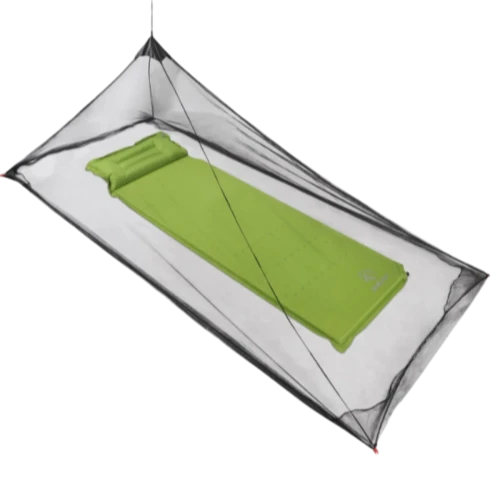
Simply put, a mosquito net dome is a dome-shaped shelter or enclosure constructed using fine mesh netting designed to prevent mosquitoes from entering. The dome shape allows for spacious interiors without internal supports, creating versatile, unobstructed environments ideal for sleeping, working, or storing sensitive items. It bridges the gap between a conventional mosquito net and a full shelter, making it highly functional for both urban and remote applications.
Its design philosophy ties directly into modern needs — portable, lightweight, and easy to assemble structures that maintain a pest-free zone without relying on chemical repellents. You could call it a marriage of engineering and ecology, targeted at preserving health and dignity.
Core Components That Make It Work
1. Material & Mesh Quality
The effectiveness depends heavily on the size of the net’s mesh holes — typically between 150 and 200 holes per square inch. Materials like polyester or polyethylene are common, prized for their durability and resistance to UV rays and moisture. This ensures the dome lasts through various climates.
2. Structural Frame
Lightweight yet strong poles, usually fiberglass or aluminum, give the dome shape and stability. The design lets you pop it open swiftly and fold it compact for transport — a critical factor in emergency deployments.
3. Portability & Ease of Setup
Many models boast quick-assembly features, fold-flat designs, and compact carrying bags. This is especially vital for NGOs or field researchers who might set up and tear down frequently.
4. Ventilation & Comfort
Good airflow is a balancing act — the mesh lets air circulate freely, keeping humidity down inside, while creating a seamless barrier against mosquitoes.
5. Additional Features
Some domes integrate features like floor mats for insect protection from below, waterproof rain flys, or UV protective coatings, adding layers of usability and comfort.
Mini Takeaway
The mosquito net dome blends smart design with practical materials to form a versatile shelter that offers both protection and comfort. It’s really an elegantly simple solution to a complex global health challenge.
Where Mosquito Net Domes Are Making a Difference
Their applications span quite a range. Not surprisingly, humanitarian relief organizations use them extensively during disease outbreaks and after natural disasters. For example, during recent floods in Southeast Asia, relief teams deployed these domes as temporary mosquito-free sleeping spaces for displaced families.
In industrial remote sites—think Amazon rainforest or sub-Saharan mining camps—workers rely on mosquito net domes to maintain safe rest areas, reducing malaria-related absenteeism. Research stations studying vector-borne diseases also use domes for controlled field experiments.
Even eco-tourism lodges in malaria-prone zones use mosquito net domes for guest tents, merging safety with minimal environmental intrusion. It’s practical, yes, but also about preserving dignity and comfort in challenging spaces.
Product Specifications: Typical Mosquito Net Dome
| Feature | Specification |
|---|---|
| Diameter | 3 meters (approx.) |
| Height | 1.8 meters |
| Mesh Count | 170 holes per square inch |
| Material | Polyester with UV protection |
| Weight | Approx. 2 kg |
| Setup Time | 5 minutes (single person) |
| Additional Features | Waterproof floor mat, carrying case |
Comparing Leading Mosquito Net Dome Suppliers
| Vendor | Price Range (USD) | Material | Setup Time | Unique Feature |
|---|---|---|---|---|
| SafeNest Inc. | $45–$60 | Polyester with UV coating | Under 5 min | Integrated floor mat |
| EcoShield Systems | $50–$70 | Recycled polyethylene | 6 minutes | Biodegradable mesh option |
| GreenHabitats | $40–$55 | Polyester, eco-colored | 4 minutes | UV protection + anti-microbial treatment |
Why Mosquito Net Domes Are Worth the Investment
Cost effectiveness is one thing, but the value mosquito net domes offer goes way beyond dollars. The ability to shield people from disease vectors not only saves lives, but also sustains communities, allowing people to focus on growth rather than illness. It’s an investment in social stability, health security, and dignity.
Environmentally, these domes offer a chemical-free alternative, reducing risks linked to insecticide resistance and pollution. Trust me, when you stay or work under one, you quickly notice how much safer and more comfortable your nights become. It’s a little fortress of calm amid chaos.
Emerging Trends in Mosquito Net Dome Technology
Like most products these days, mosquito net domes are evolving. Manufacturers are exploring smart textiles that combine insect repellency with breathability, powered by nanotechnology. Solar-powered fans integrated into domes could improve airflow without compromising mosquito protection, an interesting marriage of green energy and comfort.
There’s also a push toward biodegradable, recyclable materials to curb landfill waste, fitting with increasing global sustainability mandates. Coupled with modular systems that link multiple domes seamlessly, this evolution could transform temporary shelters into functional community networks in remote areas.
Common Challenges and How to Solve Them
One sticking point is always durability, especially in harsh environments or frequent deployments. Mesh tears or frame breaks undermine protection. To address this, suppliers are experimenting with ripstop fabrics and flexible, shock-absorbing frameworks.
Another issue is user compliance: convincing people to consistently use the domes, particularly during hot seasons. Education programs combined with community-driven customization (colors, sizes) help increase adoption.
Frequently Asked Questions About Mosquito Net Dome
Q1: How easy is it to set up a mosquito net dome for emergency relief?
A1: Most mosquito net domes are designed for quick assembly, often within 5-10 minutes by one person. This rapid deployability makes them ideal for emergency and disaster relief where time and simplicity are critical.
Q2: Can mosquito net domes be used outdoors in rainy climates?
A2: Yes, many models include waterproof floor mats and optional rain fly covers that protect against moisture while improving durability. However, proper ventilation should be maintained to avoid condensation buildup.
Q3: Are these domes effective against all mosquito species?
A3: While highly effective against most mosquitoes due to fine mesh, some extremely small insect species might still penetrate less dense nets. Selecting high mesh count domes ensures optimal protection.
Q4: How portable are mosquito net domes for field researchers or travelers?
A4: Very portable! Most mosquito net domes fold flat and fit in a lightweight carry bag, making them easy to transport by foot, vehicle, or even carry-on luggage.
Q5: Can NGOs import mosquito net domes internationally without customs issues?
A5: Generally yes, but regulations vary by country. NGOs should check local import laws, tariff classifications, and certifications to ensure smooth customs clearance.
Wrapping Up: Protecting Lives with Mosquito Net Domes
The mosquito net dome may seem like a humble piece of gear, but its implications touch global health, environmental sustainability, and humanitarian logistics. By investing in quality, portability, and user-friendly design, these domes represent an elegant solution to many persistent mosquito-related challenges.
For anyone involved in outdoor living, disaster relief, or remote work environments, exploring mosquito net domes is worth your while. To learn more or find the right product fit, visit our website at www.crscreen.com — you might just find this small dome is the big difference you need.
References

Latest news
-
Best Guide to Choose a Screen Door for Sliding Door for Your Home
NewsApr.16,2026 -
The Ultimate Guide to Choosing a screen door for a sliding door
NewsApr.09,2026 -
Choosing the Perfect Patio Sliding Screen Door for Your Home
NewsApr.07,2026 -
Choosing the Best Patio Screen Door with Frame for Your Home and Lifestyle
NewsApr.04,2026 -
Comprehensive Guide to Net Sliding Door Price Factors and Options
NewsMar.31,2026 -
Enhance Your Outdoor Space with a Durable Net Sliding Door for Balcony
NewsMar.28,2026 -
Discover the Benefits of Net Door Sliding Systems for Modern Homes
NewsMar.26,2026