

Dec . 01, 2025 00:55 Back to list
Comprehensive Guide to Suspended Mosquito Nets: Benefits, Use, and Innovations
Understanding Suspended Mosquito Nets: What They Are and Why They Matter
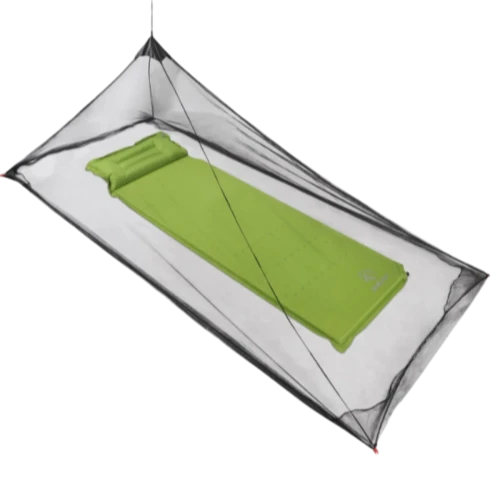
Mosquitoes might seem like mere tiny nuisances, but globally, they're responsible for transmitting diseases that affect hundreds of millions every year. This is where the suspended mosquito net comes into focus — a simple yet life-saving tool designed to combat mosquito-borne illnesses while preserving comfort and dignity in everyday life. These nets suspend from ceilings or frames, creating a barrier without cluttering living space, and have proven vital in homes, hospitals, and emergency shelters worldwide.
If you’ve ever tried to enjoy a summer evening without the buzzing and itching, you’ll appreciate why nets like these have become essential in many parts of the world. Beyond comfort, they play a key role in global health strategies, especially in tropical and subtropical regions where malaria, dengue, and Zika virus remain rampant.
Mini takeaway: Suspended mosquito nets aren’t just household accessories — they’re frontline defenses in global health, blending practicality with prevention.
The Global Importance of Suspended Mosquito Nets
According to the World Health Organization, malaria alone caused an estimated 619,000 deaths in 2021, mostly in sub-Saharan Africa. The scale of mosquito-borne diseases is staggering, with more than half the world's population at risk. International bodies like the UN and WHO have emphasized mosquito nets as a key preventive measure, promoting their distribution in vulnerable communities as an effective, low-cost intervention.
Suspended mosquito nets address a big problem: how do you offer protection that’s both accessible and usable? Many traditional nets either require bulky framing that disrupts living arrangements or fail to cover the sleeping area adequately. Suspended nets solve this by using ceiling hooks or support poles — making them adaptable anywhere, from dense urban slums to remote rural villages.
Interestingly, the ongoing urbanization in parts of Asia and Africa has increased demand for flexible mosquito protection solutions that fit cramped quarters, shifting design priorities towards compactness and ease-of-installation.
Mini takeaway: The suspended mosquito net is a proven, scalable tool combating a pressing global health challenge, adapted for diverse living environments.
So, What Is a Suspended Mosquito Net?
Simply put, it’s a mesh enclosure designed to hang over beds or seating areas, suspended from the ceiling or frame supports. The net is typically made of fine woven polyester or polyethylene yarn, featuring tiny holes small enough to prevent mosquitoes from getting through, but large enough to allow comfortable airflow.
It differs from tents or standalone net types by relying on overhead suspension points, which makes it lightweight, unobtrusive, and less likely to tear or collapse. In terms of humanitarian aid, these nets are staples in post-disaster shelters and healthcare facilities because they don’t require complex setup or heavy materials.
Suspended mosquito net designs often include features like zippers or overlapping panels on entry points, increasing ease of use without compromising protection.
Core Components and Key Factors Behind Effective Mosquito Netting
1. Durability
Not all nets are created equal. Durable weave and UV-resistance in the netting material are vital to withstand daily wear in harsh climates and prolonged sunlight exposure. Polyester nets, for example, last longer and resist mildew better than cotton alternatives.
2. Scalability and Size Options
Nets come in various sizes, accommodating single beds to larger communal sleeping areas in refugee camps or hospitals. Flexibility in sizing is crucial to adopt locally without expensive customization.
3. Cost Efficiency
Many communities rely on mass-distributed nets. Economical production without sacrificing quality ensures widespread accessibility. Suppliers balance durability with affordability to maximize impact.
4. Ease of Installation
The suspension system — whether simple ceiling hooks or portable frames — must suit different ceiling heights and structures. Installation times have shrunk thanks to ergonomic designs and modular components.
5. Breathability and Comfort
Airflow is not a luxury; it’s a necessity particularly in tropical climates. Nets that allow good ventilation reduce heat and humidity, encouraging regular use.
Mini takeaway:
Durability, ease, cost, and comfort form the backbone of the suspended mosquito net’s success in practical terms.
Real-World Applications of Suspended Mosquito Nets
The adoption of suspended mosquito nets spans continents and sectors:
- Healthcare facilities: Hospitals in malaria-endemic zones rely on these nets to protect vulnerable patients.
- Emergency relief: In cyclone or flood-hit regions, NGOs distribute them to prevent secondary disease outbreaks.
- Residential use: Families in rural Uganda, India, or Brazil count on them for nightly protection.
- Tourism and hospitality: Resorts in tropical areas offer nets as standard to enhance guest comfort.
For instance, in refugee camps following humanitarian crises, suspended mosquito nets can be life-saving, dramatically reducing malaria incidence while being easy to install in temporary shelters.
Product Specification Table
| Feature | Specification |
|---|---|
| Material | Polyester / Polyethylene |
| Mesh Size | 156 holes per square inch (standard WHO) |
| Dimensions | Varies: 190cm x 90cm (single) to 200cm x 200cm (double) |
| UV resistance | Up to 1000 hours, depending on treatment |
| Weight | Approx. 300–400 grams per net |
| Installation | Ceiling hooks or portable poles |
Advantages and Long-Term Value
Suspended mosquito nets offer more than just a barrier; they symbolize peace of mind. The cost-effectiveness cannot be overstated: when compared to repeated medical treatments or loss of productivity due to illness, nets are remarkably economical.
Beyond dollars, the social impact is profound — children sleeping protected are less likely to miss school, and families experience less disruption. The trust communities place in these nets is a testament to their reliability. Plus, the feeling of safety they provide at night isn’t just physical but psychological.
Interestingly, this simple tool supports sustainability goals by reducing reliance on chemical insecticides, limiting environmental exposure.
Comparison of Leading Suspended Mosquito Net Vendors
| Vendor | Product Range | Price Range (USD) | Lead Time | Warranty |
|---|---|---|---|---|
| NetSafe Co. | Standard, Treated, Deluxe | 5–15 | 2 weeks | 1 year |
| SafeSleep Ltd. | Basic, Fire-Retardant, UV-Resistant | 7–20 | 1 week | 2 years |
| GlobalShield Nets | Custom sizes, premium mesh | 10–25 | 3 weeks | 3 years |
Innovations and What the Future Holds for Suspended Mosquito Nets
The future is surprisingly bright for suspended mosquito nets. Advances in nanotechnology are allowing for insecticide treatments that are more effective yet environmentally friendlier. Imagine nets that can self-repair minor tears or change color to signal when they need replacement.
Automation in manufacture combined with biodegradable net materials promises to reduce waste. Digitally connected monitoring systems are also being explored — sensors embedded in nets to track usage and alert healthcare workers to gaps in coverage.
Also, more eco-conscious materials and solar-powered anti-mosquito devices could work hand-in-glove with suspended nets, enhancing overall protection in a sustainable package.
Challenges Faced and How Industry Experts Are Overcoming Them
No product is without its issues — nets can tear, be improperly installed, or fall out of favor if they don’t fit local customs. Heat discomfort and aesthetic preferences sometimes discourage consistent use.
Manufacturers now work closely with community organizations to tailor designs to cultural needs, incorporate mosquito repellents that are chemical-free, and focus on sturdy stitching for longevity. Fast-deployable kits with visual installation guides also address usability challenges.
Experts often emphasize the importance of education alongside distribution — a net is only useful if people understand and trust its benefits.
FAQ: Your Key Questions about Suspended Mosquito Nets
- Q: How long does a typical suspended mosquito net last?
- A: Depending on material and usage, a quality net lasts 3 to 5 years. UV-treated polyester nets tend to last longer, while frequent washing and exposure can shorten lifespan.
- Q: Can suspended mosquito nets be used outdoors?
- Yes, but they require secure anchoring to withstand wind and rain. Some models come with waterproof coatings for outdoor use, but generally, they’re optimized for indoor or sheltered environments.
- Q: Are insecticide-treated nets safe for children and pregnant women?
- When treated according to WHO guidelines, these nets are safe and recommended. The insecticide used is formulated for minimal skin contact, providing additional protection against mosquitoes.
- Q: Is installation difficult for non-technical users?
- Most suspended mosquito nets come with simple installation kits; minimal tools are required. With clear instructions, setup usually takes under 10 minutes.
- Q: How do I maintain and clean a suspended mosquito net?
- Gentle hand washing with mild soap and air drying is best. Avoid bleach or harsh chemicals to maintain mesh integrity and insecticide efficacy if treated.
Conclusion: The Last Word on Suspended Mosquito Nets
Looking ahead, suspended mosquito nets remain one of the most accessible and effective tools in global health’s arsenal. They blend innovation with simplicity, economic sense with life-saving potential. Whether you’re managing health programs or just looking to protect your home, investing in quality suspended mosquito nets pays long-term dividends — in safety, comfort, and dignity.
Curious to explore your options? Visit https://www.crscreen.com and discover products tailored to your needs.
References

Latest news
-
Best Guide to Choose a Screen Door for Sliding Door for Your Home
NewsApr.16,2026 -
The Ultimate Guide to Choosing a screen door for a sliding door
NewsApr.09,2026 -
Choosing the Perfect Patio Sliding Screen Door for Your Home
NewsApr.07,2026 -
Choosing the Best Patio Screen Door with Frame for Your Home and Lifestyle
NewsApr.04,2026 -
Comprehensive Guide to Net Sliding Door Price Factors and Options
NewsMar.31,2026 -
Enhance Your Outdoor Space with a Durable Net Sliding Door for Balcony
NewsMar.28,2026 -
Discover the Benefits of Net Door Sliding Systems for Modern Homes
NewsMar.26,2026