

Nov . 30, 2025 23:20 Back to list
Net Hanging Bed: Innovative Space-Saving & Portable Sleeping Solutions for Global Needs
The Global Appeal of the Net Hanging Bed: More Than Just a Resting Place
The concept of a net hanging bed might evoke images of lazy summer afternoons or backyard hammocks, but its significance stretches far beyond leisure. Globally, net hanging beds address critical needs—whether for compact living, humanitarian relief, or innovative interior designs—and they deliver key benefits like space-efficiency, portability, and comfort in some of the most challenging environments. Understanding the evolution and applications of net hanging beds means realizing how a simple idea can meet diverse global demands.
Introduction: Why the World Needs Better Rest Solutions
As the global population edges closer to 8 billion, urban density and mobility challenges intensify. International bodies like the UN Sustainable Development Goals emphasize the importance of sustainable, affordable housing and emergency accommodation solutions. Herein lies the subtle brilliance of net hanging beds—lightweight, economical, and rapid to deploy, they deliver effective relief where traditional beds fall short.
For example, disaster relief scenarios often require setting up shelters quickly. By contrast, urban micro-apartments need innovative furnishing to maximize space. The net hanging bed bridges that gap—integrating ease, durability, and comfort under one design umbrella.
What Is a Net Hanging Bed? Breaking it Down
Simply put, a net hanging bed is a suspended resting surface constructed mainly of strong, woven nets, often supported by ropes or frames. Think of it as a hybrid between a hammock and a compact, breathable bed platform. Unlike traditional beds, net hanging beds take advantage of vertical space, allowing rooms or shelters to remain uncluttered while offering users a cozy, sometimes even airy, sleeping experience.
In humanitarian and industrial contexts, these beds are much more than novelties. They provide a low-cost, low-weight alternative to bulky bedding, helping NGOs, military units, and even remote industrial camps optimize living quarters without sacrificing comfort or safety.
Core Components of a Net Hanging Bed
Durability
The backbone of any reliable net hanging bed is its strength. Nylon, polyester, or high-tensile polyethylene fibers are typically chosen for their resistance to wear, moisture, and UV degradation. This ensures the bed can hold weight safely over time—even under harsh conditions.
Breathability and Comfort
The mesh design allows ample airflow, preventing heat buildup and reducing moisture. This translates into a more comfortable sleep, especially in warm or humid climates. Unlike foam mattresses or solid beds, the net keeps things cooler and drier.
Portability & Weight
Net hanging beds are prized for their lightweight nature. They fold compactly, making them highly portable for camping, military deployments, or emergency evacuation setups. Many also come with quick-release hooks or adjustable suspension kits to speed setup and takedown.
Installation & Versatility
From simple tree branches in a park to engineered ceiling mounts in disaster shelters, the adaptability of net hanging beds is remarkable. Modular suspension systems make them scalable, fitting spaces from tight apartments to large communal dorms.
Cost Efficiency
Materials and manufacturing are generally low-cost, resulting in affordable solutions for organizations operating on tight budgets. Plus, the longevity of well-made nets reduces replacement cycles—saving money and resources in the long run.
Mini summary: In essence, the net hanging bed combines durability, breathable comfort, portability, versatile installation, and cost efficiency into a neat package.
Real-World Applications: Where Net Hanging Beds Shine
You might wonder, who exactly uses net hanging beds beyond the classic hammock at a beachside resort? Here are some scenarios:
- Disaster Relief Operations: NGOs such as the Red Cross deploy net hanging beds to flood or earthquake zones where swift setup, ease of transport, and durable sleeping platforms are critical.
- Remote Industrial Camps: Mining, oil drilling, or forestry camps in remote locations utilize these beds to maximize limited space in barracks while maintaining worker comfort.
- Urban Micro-Living: Designers leverage suspended beds to free up floor area in tiny apartments. This modular design improves both aesthetics and function.
- Military Installations: Troops appreciate quick setup sleeping options that reduce fatigue and adapt easily to different climates.
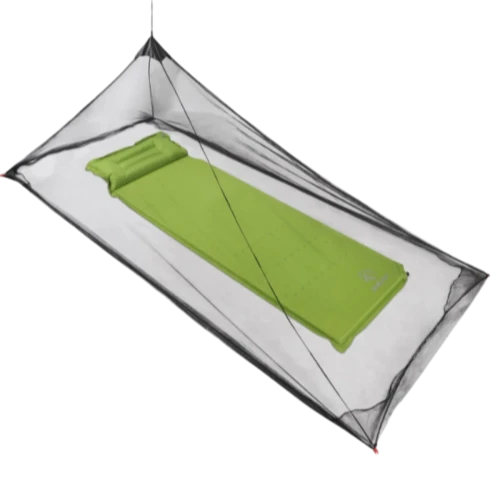
Oddly enough, even child care centers in areas prone to mosquito-borne diseases install net hanging beds as safe, insect-resistant sleeping stations.
Product Specification Table
| Feature | Description | Typical Value |
|---|---|---|
| Material | High-tensile Synthetic Fiber (Polyester/Nylon) | 07 Denier, UV resistant |
| Load Capacity | Maximum weight supported | 150 kg (330 lbs) |
| Dimensions | Usable sleeping surface | 200 x 80 cm (79 x 31 in) |
| Weight (packed) | Folded and packed weight | 800 grams (1.76 lbs) |
| Setup Time | Average timeframe to deploy | 5 minutes (with basic hooks) |
Comparing Leading Net Hanging Bed Vendors
| Vendor | Material Quality | Price Range | Special Features | Global Availability |
|---|---|---|---|---|
| NetRelax Co. | Premium UV-resistant nylon | $50 - $90 | Integrated mosquito net, quick-attach hooks | North America, Europe, Asia |
| Durahammocks | Heavy-duty polyester blend | $40 - $75 | Reinforced seams, weatherproof coating | Global, with focus on Africa & Latin America |
| EcoSleep Nets | Eco-friendly recycled fibers | $60 - $100 | Biodegradable materials, solar-reflective finish | Europe, parts of Asia |
Advantages and the Lasting Value of Net Hanging Beds
Aside from the obvious appeal—easy storage and portability—the tangible advantages are strong. For the humanitarian sector, it's all about rapid deployment and dignity: offering a clean, supportive place to rest, safeguarding health through breathability and mosquito protection. In urban areas, the innovative use of vertical space means that living areas feel more open and less cluttered.
Psychologically, a bed that feels “light” and flexible also supports quality sleep. Engineers and designers report fewer pressure points on the body, and workers say they wake less stiff after nights on suspended nets.
Importantly, sustainability matters more than ever. Net hanging beds consume fewer raw resources and can boast longer lifespans with proper care—contributing to circular economy principles.
Where Is the Net Hanging Bed Heading? Trends & Innovations
Materials science keeps pushing the envelope. We’re seeing stronger, lighter fibers making nets more durable and comfortable—and some prototypes even integrate smart fabrics that monitor sleep quality.
Sustainability is a hotspot, with recycled and biodegradable fibers gaining ground. Solar reflectivity coatings prevent heat buildup in hot climates, and adaptable suspension systems integrate with modular, energy-efficient housing units.
Digital tools support customization, allowing individuals or organizations to tweak tension, size, and ergonomic properties remotely. The idea that a net hanging bed can become “smart furniture” feels closer than one might guess.
Challenges and How The Industry is Tackling Them
The biggest headaches? Proper installation and public perception. The fear that a net hanging bed might “snap” or cause injury persists, so educating users and improving mounting systems remain priorities. Organizations now offer training kits and durable hardware to minimize risk.
Another hurdle: protection from extreme weather and pests in certain regions. Innovations like integrated insect barriers and weatherproof treatments help, but there’s still work to do to make these beds truly universal.
Finally, cost-sensitive markets sometimes struggle with upfront investment, even if long-term savings are evident. NGOs and manufacturers respond with tiered models and subsidies, lifting net hanging beds from niche to broadly accessible.
FAQs: Your Practical Questions Answered
- How easy is it to install a net hanging bed in an urban apartment?
- Installation is typically straightforward, requiring sturdy anchors like ceiling hooks or wall brackets. Many products include adjustable straps and quick-release clips to simplify setup, and no heavy tools are typically needed. It’s also wise to check the load rating of your mounting points to ensure safety.
- Are net hanging beds suitable for children?
- Absolutely, but with supervision and secure installation. Many models for kids include mesh sides for extra safety and lower weight capacities. Their breathable design also reduces overheating, making them popular in nurseries, especially in tropical climates.
- Can net hanging beds withstand wet weather?
- Most nets use water-resistant synthetic fibers that dry quickly and resist mildew. However, prolonged exposure to harsh rain or snow isn’t advisable without protective coverings. For outdoor use, consider models with weatherproof coatings or use additional shelter.
- How do I maintain or clean a net hanging bed?
- Most nets can be hand-washed or machine-washed on gentle cycles with mild detergent. Make sure to air dry thoroughly before storage to prevent mold or odor. Periodic inspection for fraying or tears is recommended to keep the bed safe.
Conclusion: Resting on Innovation
The net hanging bed is quietly reshaping how space, comfort, and resourcefulness come together in living and relief environments worldwide. It embodies a principle that’s more than just sleeping off the ground: it’s about a better quality of life, regardless of circumstance. Whether you’re outfitting a micro-apartment or deploying emergency shelters, a net hanging bed offers a blend of innovation, practicality, and sustainability worth considering.
Curious to explore these modern marvels? Visit our website net hanging bed for a curated selection designed to meet diverse needs.
References:

Latest news
-
Best Guide to Choose a Screen Door for Sliding Door for Your Home
NewsApr.16,2026 -
The Ultimate Guide to Choosing a screen door for a sliding door
NewsApr.09,2026 -
Choosing the Perfect Patio Sliding Screen Door for Your Home
NewsApr.07,2026 -
Choosing the Best Patio Screen Door with Frame for Your Home and Lifestyle
NewsApr.04,2026 -
Comprehensive Guide to Net Sliding Door Price Factors and Options
NewsMar.31,2026 -
Enhance Your Outdoor Space with a Durable Net Sliding Door for Balcony
NewsMar.28,2026 -
Discover the Benefits of Net Door Sliding Systems for Modern Homes
NewsMar.26,2026