

Nov . 28, 2025 15:05 Back to list
Comprehensive Guide to Types of Mosquito Bed Nets – Protection & Innovation
Understanding Types of Mosquito Bed Nets: A Global Necessity
When you think of mosquito bed nets, you probably picture a simple mesh screen draped over a sleeping area. But these nets have evolved into a vital tool against mosquito-borne diseases worldwide. From malaria in sub-Saharan Africa to dengue fever outbreaks in Southeast Asia, mosquito nets — in their many types — offer an accessible, cost-effective way to protect millions. Understanding the types of mosquito bed nets helps public health experts, NGOs, and even everyday families make informed decisions to improve safety and reduce disease transmission.
In short, they save lives. And as global health challenges worsen with climate change expanding mosquito habitats, these nets become even more critical.
Why Mosquito Bed Nets Matter on a Global Scale
It is estimated that over 200 million people worldwide contract malaria every year, with the World Health Organization reporting around 400,000 malaria-related deaths annually — mostly children under five. The United Nations Sustainable Development Goals also emphasize vector control to reduce these tolls. Mosquito bed nets are frontline weapons in this effort.
The challenge is this: while insecticides and sprays can be effective, they carry environmental risks and resistance issues. A net, especially one treated with insecticide, creates a physical and chemical barrier that’s simple, scalable, and often community-maintainable.
However, not all nets are made equal. The diversity of types of mosquito bed nets addresses varying needs depending on geography, climate, and socioeconomic context — making this is an industry full of subtle but important differentiation.
What Exactly Are Mosquito Bed Nets?
At their core, mosquito bed nets are mesh fabrics designed to shield people from mosquito bites while they sleep. The term broadly covers untreated nets, those impregnated with long-lasting insecticides, and specialized models designed for various settings.
From humanitarian relief camps to rural homes, these nets offer protection by:
- Physical blockage of mosquitoes
- Insecticide treatment to kill or repel mosquitoes on contact
- Easy deployment and maintenance
In modern industry and humanitarian aid, these nets have become a standard item — a straightforward but lifesaving technology that pairs well with other vector control measures.
Mini takeaway:
Simply put — mosquito bed nets are critical health tools, taking many forms tailored to diverse global needs.
Key Factors in Choosing the Right Mosquito Bed Net
1. Durability
Nets vary widely in material strength. A long-lasting polyester or polyethylene net may withstand rough handling and frequent washing better than cheaper cotton alternatives. This matters in regions where replacement supplies are scarce.
2. Insecticide Treatment
Long-lasting insecticidal nets (LLINs) are a game changer. They slowly release insecticide over several years, maintaining effectiveness without re-treatment. Untreated nets depend solely on physical barriers, which can be less reliable.
3. Mesh Size and Thread Density
The size of the openings in the net determine what insects can get through. A tighter weave blocks mosquitoes more effectively but may reduce airflow, requiring a balance especially in hot humid climates.
4. Size and Shape
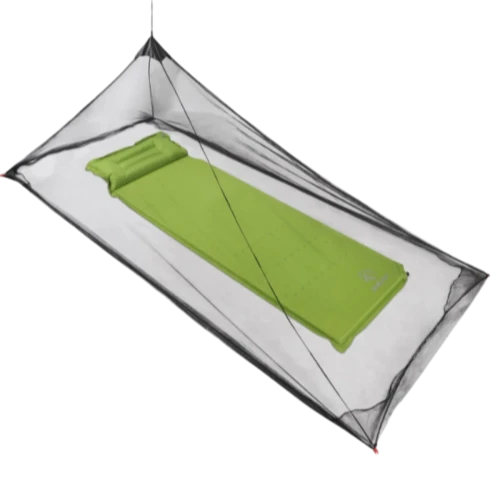
Whether rectangular, conical, or box-shaped, nets are designed to fit beds, hammocks, or mats — making comfort as much a factor as protection.
5. Cost Efficiency
From the donor’s perspective, affordability combined with effectiveness maximizes impact. Bulk purchasing and local manufacturing influence cost dynamics.
6. Ease of Installation and Maintenance
User-friendly nets that can be easily hung or folded encourage consistent use and better protection.
Mini takeaway:
These factors together create a complex decision matrix for distributing or buying effective mosquito bed nets.
Applications Across the Globe: Real-World Use Cases
The types of mosquito bed nets aren’t just an abstract product category — they are frontline tools in:
- Africa: Mass distribution campaigns in Malawi and Nigeria prioritize LLINs to reduce malaria.
- Southeast Asia: Multi-layered nets with improved mesh are crucial for remote forested areas transmitting dengue and chikungunya.
- Post-Disaster Relief: Emergency camps in Haiti and the Philippines rely on quickly deployable nets to prevent outbreaks.
- Industrial Settings: Worker accommodations in tropical zones, like oil rigs or plantation camps, integrate mosquito nets into safety protocols.
One interesting note: NGOs like the Global Fund invest heavily in LLIN procurement because they combine insecticide with robust design, suitable for broad climates.
Product Specification Table: Typical Types of Mosquito Bed Nets
| Type | Material | Mesh Size (mm) | Insecticide Treatment | Typical Lifespan | Best Use |
|---|---|---|---|---|---|
| Untreated Cotton Net | Cotton | 1.5 - 2.0 | No | 6-12 months | Short-term use, domestic settings |
| Polyester Untreated Net | Polyester | 1.0 - 1.2 | No | 12-18 months | Longer use in dry environments |
| Long-Lasting Insecticidal Net (LLIN) | Polyethylene or Polyester | 0.8 - 1.2 | Yes (permethrin or deltamethrin) | 3-5 years | Malaria-endemic regions, large-scale distribution |
| Durable Nylon Net | Nylon | 1.0 | Optional insecticide | 2-3 years | Industrial and remote deployments |
Advantages and Long-Term Value of Mosquito Bed Nets
Why do so many experts invest in these nets? Frankly, it’s a rare combination of affordability, practicality, and proven impact. Here are some core benefits:
- Cost-effective prevention: Nets cost pennies per person per year when amortized, preventing expensive treatments and hospitalizations.
- Sustainability: LLINs last several years, reducing waste and frequent replacement.
- Empowering individuals: People get a sense of control over their environment — especially in regions where medical access is limited.
- Social dignity: Sleeping without insect bites improves sleep quality, well-being, and community health.
- Innovation-driven: Ongoing improvements in insecticide, materials, and design maintain relevance.
In other words, these nets are a rare preventative tool that creates ripple effects far beyond their simple fabric walls.
Innovations and Future Trends in Mosquito Nets
Things are not standing still. Emerging trends include:
- Eco-friendly insecticides: Non-pyrethroid chemicals to counteract resistance.
- Biodegradable net materials: Seeking to lower plastic waste.
- Smart nets with sensors: Some pilot studies explore nets that monitor mosquito contact or integrity electronically.
- Solar-powered fan systems: Increasing airflow inside nets to improve comfort.
- Integrated vector management policies: Combining nets with spatial repellents and genetically modified mosquitoes.
It feels like the humble mosquito bed net is entering a new arena of smart, sustainable, and adaptable protection.
Challenges & Practical Solutions
Of course, challenges remain:
- Wear & tear: Nets get torn and often discarded prematurely.
- Insecticide resistance: Mosquitoes adapting to chemicals reduce efficacy.
- Distribution logistics: Getting nets to remote areas is tough.
- User compliance: Cultural habits and climate discomfort affect consistent use.
Solutions include improved net fabric resilience, rotating insecticide classes, community education, and leveraging local supply chains for better distribution. NGOs also increasingly employ feedback tools to optimize usage and replacement.
Vendor Comparison: A Quick Look at Leading Mosquito Net Suppliers
| Vendor | Net Types Offered | Pricing Range (per net) | Global Reach | Unique Selling Point |
|---|---|---|---|---|
| SafeNet Global | LLIN, nylon durable nets | $3.50 - $5.00 | Africa, Asia, Americas | Strong quality certifications, WHO-prequalified |
| InsectiGuard Ltd. | Polyester untreated, customized sizes | $1.80 - $3.20 | Regional Asia-Pacific | Cost-efficient bulk supply for NGOs |
| EcoNet Solutions | Biodegradable nets, LLIN | $4.00 - $6.00 | Europe, Africa | Focus on sustainability and innovation |
Frequently Asked Questions About Types of Mosquito Bed Nets
Q: How long does an insecticide-treated mosquito net remain effective?
A: Most long-lasting insecticidal nets (LLINs) maintain their protection for up to 3-5 years under normal use. However, factors like frequent washing, exposure to sunlight, and physical damage can reduce effectiveness sooner.
Q: Can untreated mosquito nets provide sufficient protection?
A: Untreated nets can physically block mosquito bites effectively if in good condition. But since they lack insecticide, they don’t kill or repel mosquitoes, so risk may be higher especially in regions with dense mosquito populations.
Q: Why are some nets conical while others are rectangular?
A: Shape often depends on sleeping arrangements and cultural preference. Rectangular nets fit beds and mats easily, while conical nets are popular in some regions for ease of hanging over a central point.
Q: How do I choose the best mosquito net for tropical climates?
A: Look for nets with good airflow, smaller mesh size for better protection, and insecticide treatment for added efficacy. Lightweight synthetic materials tend to be both breathable and durable.
Q: Are biodegradable mosquito nets as durable as conventional ones?
A: Biodegradable nets are an exciting innovation for sustainability, but currently, they may not match the lifespan of synthetic polyethylene or polyester nets. Research and development are ongoing.
Conclusion
It’s evident that types of mosquito bed nets represent more than just simple screens — they’re carefully engineered solutions that save lives, foster dignity, and support sustainable health outcomes globally. Whether you’re involved in public health, humanitarian aid, or personal protection, understanding these options can make a significant difference.
For more detailed insights and to explore a wide range of nets suited to different needs, visit our website and dive deeper into this essential topic.
References:



Latest news
-
Best Guide to Choose a Screen Door for Sliding Door for Your Home
NewsApr.16,2026 -
The Ultimate Guide to Choosing a screen door for a sliding door
NewsApr.09,2026 -
Choosing the Perfect Patio Sliding Screen Door for Your Home
NewsApr.07,2026 -
Choosing the Best Patio Screen Door with Frame for Your Home and Lifestyle
NewsApr.04,2026 -
Comprehensive Guide to Net Sliding Door Price Factors and Options
NewsMar.31,2026 -
Enhance Your Outdoor Space with a Durable Net Sliding Door for Balcony
NewsMar.28,2026 -
Discover the Benefits of Net Door Sliding Systems for Modern Homes
NewsMar.26,2026