

Nov . 28, 2025 16:40 Back to list
Types of Mosquito Nets and Prices | Comprehensive Guide & Market Overview
Understanding Types of Mosquito Nets and Prices: A Global Perspective
If you’ve ever traveled to tropical regions, you probably noticed those fine mesh curtains hanging over beds and windows—the humble mosquito net. But what many don't realize is that mosquito nets come in an array of types, materials, and price points, each with a distinct role in protecting millions worldwide from vector-borne diseases like malaria, dengue, and Zika. Understanding the varieties and pricing of mosquito nets isn’t just about a shopping list; it’s about grasping a critical component of public health, humanitarian relief, and global development.
Globally, mosquito nets have saved countless lives by physically barring disease-carrying insects from human contact. The World Health Organization estimates that millions of lives have been protected through widespread mosquito net distribution, particularly in Africa and Southeast Asia. However, given the plethora of nets available, knowing how different types and their costs align with specific needs and environments can be game-changing—whether you’re a humanitarian NGO, a government agency, or an individual shopper looking for effective, budget-friendly protection.
Mini takeaway: Types of mosquito nets and prices matter hugely on a global scale for disease prevention, with simple choices often translating into life-or-death decisions.
The Worldwide Context: Why Mosquito Nets Remain Vital
It’s perhaps startling just how pervasive mosquito-borne illnesses remain. According to the World Health Organization (WHO), malaria alone caused an estimated 619,000 deaths in 2021, mostly children under five in sub-Saharan Africa. This highlights a stark reality: despite advances in medicine and vaccine development, prevention through tools like mosquito nets remains foundational and cost-effective.
Organizations such as the UN and the Bill & Melinda Gates Foundation have invested billions into distributing insecticide-treated nets (ITNs), which are shown to reduce malaria incidence by up to 50%. But here’s the catch: not all mosquito nets are created equal. Prices and quality vary dramatically, and finding the balance between affordability and effectiveness is a persistent challenge in both developing regions and urban markets.
Mini takeaway: Mosquito nets are a frontline defense against deadly diseases, yet the complexity of supply, price, and quality affects their true impact.
What Exactly Are 'Types of Mosquito Nets and Prices'?
Simply put, “types of mosquito nets and prices” refers to the different varieties of mosquito nets available—differentiated by material, treatment, size, shape, and use case—and their associated market costs.
There are several broad categories:
- Untreated Nets: Basic mesh without insecticides; primarily a physical barrier.
- Insecticide-Treated Nets (ITNs): Nets coated with insect repellents to kill or repel mosquitoes on contact.
- Long-Lasting Insecticidal Nets (LLINs): Nets treated with insecticide that remains effective for several years despite repeated washing.
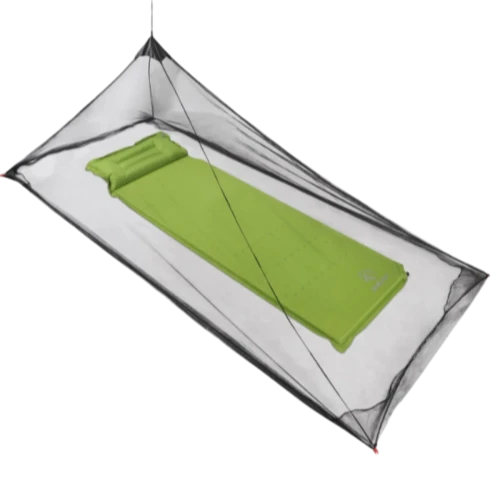
- Specialized Nets: Including pop-up nets for travelers, door curtains, or room dividers.
Prices vary from a few dollars for a basic untreated hanging net up to $20-$40 or more for high-quality LLINs. Factors influencing price include size, mesh density, treatment type, production quality, and certification to global standards (ISO, WHO recommendations).
Mini takeaway: Different mosquito nets serve diverse needs, with prices reflecting complexity, durability, and efficacy.
Key Factors Influencing Mosquito Net Selection
Durability
No one likes a torn net. Durability hinges on fabric quality (often polyester or polyethylene), mesh density, and insecticide longevity. LLINs, for example, can last 3–5 years with proper care, which enhances cost-effectiveness over time.
Cost Efficiency
Buying the cheapest net might work short term but poor quality nets can tear or lose insecticide fast. It’s about balancing upfront price against protection level and longevity. NGOs often bulk-buy to cut costs, while individuals must consider durability versus wallet size.
Ease of Use
Some nets are simple bars-and-strings affairs, while others fold into compact pop-ups or attach to frames. Ease affects real-world adoption—no one wants to wrestle with complicated setups after a long day.
Insecticide Treatment
Treated nets reduce mosquito populations locally, extending protection beyond the immediate barrier. However, chemical treatments must meet safety and environmental standards to avoid harm.
Size and Shape
Different bed sizes and indoor layouts call for rectangular, conical, or circular nets. Oversized nets cost more but can be more comfortable and effective.
Regulatory Compliance
Certification from WHO Pesticide Evaluation Scheme (WHOPES) or ISO standards ensures reliable quality and safety, influencing price and trust.
Mini takeaway: Choosing the right net involves juggling durability, price, usability, and treatment safety.
Global Applications and Use Cases
In real-world terms, mosquito nets are deployed in a huge variety of settings:
- Healthcare Programs: Governments in Africa and Asia distribute LLINs during vaccination drives.
- Humanitarian Relief Operations: Post-disaster camps in areas like Bangladesh or Mozambique rely on treated nets to stem disease outbreaks.
- Private Homes and Travelers: Pop-up nets dominate the travel market, especially in malaria-endemic zones.
- Industrial Camps: Remote mining or forestry camps use nets to protect workers, reducing sick days.
For example, during the 2019 Cyclone Idai humanitarian response in Mozambique, NGOs supplied over 100,000 treated nets, drastically reducing malaria spikes commonly seen after floods. Meanwhile, urban families in Southeast Asia pick nets with finer mesh and softer fabrics for comfort and style, reflecting a different set of priorities.
Mini takeaway: Mosquito net types and prices vary widely because end users and environments demand tailored solutions.
Advantages and Long-Term Value From Investing in Proper Mosquito Nets
At first sight, it’s easy to think of mosquito nets as just “cheap fabric.” But in reality, they protect dignity, save lives, and cut healthcare costs.
On the emotional level, a secure night’s sleep brings peace of mind, reduces anxiety, and improves quality of life. On the logical side, preventing malaria and other diseases reduces burdens on families, hospitals, and governments.
Plus, modern nets offer sustainability benefits as many producers now prioritize eco-friendly treatment chemicals and recyclable materials. That makes nets not only a public health solution but also a step toward greener healthcare interventions.
Future Innovations in Mosquito Nets and Market Pricing
Looking ahead, experts predict more integration of technology with mosquito nets, such as:
- Smart Nets: Embedded sensors to monitor wear, insect activity or condition—allowing NGOs to optimize distribution and replacements.
- Biodegradable Materials: Reducing plastic waste associated with polyester blends.
- New Treatments: Innovative insecticides safer for humans but deadly to resistant mosquitoes.
- Mass Customization: On-demand sizes and shapes through 3D knitting tech.
The market price might rise with innovation initially but ultimately become more affordable as production scales and raw materials evolve.
Challenges and Practical Solutions
Of course, no product is without its issues:
- Durability in Harsh Environments: Nets can be rendered ineffective by wear, washing, or misuse.
- Insecticide Resistance: Mosquito populations adapt, reducing treated net effectiveness.
- Distribution Logistics: Getting quality nets to remote or conflict-hit regions is tricky and costly.
Innovative solutions include recycling worn nets into construction material, locally treating nets to extend insecticide life, and deploying drones or digital tracking to improve delivery efficiency. Community education ensures proper net use, maximizing the value of every dollar spent.
FAQ: Common Questions About Types of Mosquito Nets and Prices
- What is the difference between insecticide-treated and long-lasting insecticidal nets?
- Insecticide-treated nets (ITNs) need re-treatment every 6-12 months, while long-lasting insecticidal nets (LLINs) come pre-treated and maintain efficacy for 3 to 5 years, even after multiple washes, offering better long-term value.
- Are expensive mosquito nets always better?
- Not necessarily. Higher-priced nets usually reflect longer durability, insecticide treatment, and certifications. However, an expensive net with improper use may offer less protection than a cheaper net correctly used and maintained.
- How do I choose a mosquito net for my travel needs?
- Look for compact, lightweight nets with easy pop-up designs and fine mesh density. Insecticide treatment is a plus, especially in high-risk areas. Also, ensure the net fits your sleeping arrangement.
- Can mosquito nets be recycled or reused?
- Some nets can be repurposed into materials for insulation or packing, but it depends on fabric type and insecticide treatment. Specialized recycling programs exist in certain countries.
- Where can organizations purchase high-quality nets in bulk?
- Trusted global suppliers and certified manufacturers often offer bulk pricing. NGOs can also coordinate with UN procurement platforms or established distributors. Visiting dedicated marketplaces like types of mosquito nets and prices can help identify options.
Quick Snapshot: Mosquito Net Specifications
| Specification | Description |
|---|---|
| Material | Polyester, Polyethylene, Cotton |
| Mesh Size | 156–200 holes/inch² (ideal mosquito exclusion) |
| Treatment | None, Permethrin, Deltamethrin-based insecticides |
| Dimensions | Single, Double, King-size variants available |
| Longevity | Untreated: 1 yr; LLIN: 3–5 yrs |
| Price Range | $3–$40 depending on features and quality |
Comparing Leading Mosquito Net Providers
| Vendor | Certified Quality | Price per Unit | Customization | Country of Origin |
|---|---|---|---|---|
| SafeSleep Nets | WHOPES Certified | $12–$18 | Size, color, insecticide options | Kenya |
| EcoShield Nets | ISO 9001 & EcoCert | $15–$25 | Biodegradable fabric, custom prints | India |
| TravelGuard Nets | Non-treated POP-up models | $5–$10 | Compact sizes, colors | China |
Wrapping It Up: Why Knowing Mosquito Nets Cost and Type Matters
It sounds simple—a net to keep mosquitoes out—but the story behind types of mosquito nets and prices is full of nuance, global challenges, and evolving technology. Investing a bit of time to understand the options pays off, whether your goal is improving community health in sub-Saharan Africa or just enjoying an insect-free night while camping. If you want to dive deeper into specific products or get advice on sourcing quality nets, feel free to visit types of mosquito nets and prices. Sometimes, it's the smallest bits of mesh that make the biggest world of difference.
Thanks for sticking through. Stay safe, and may your nights stay peaceful.
References


Latest news
-
Best Guide to Choose a Screen Door for Sliding Door for Your Home
NewsApr.16,2026 -
The Ultimate Guide to Choosing a screen door for a sliding door
NewsApr.09,2026 -
Choosing the Perfect Patio Sliding Screen Door for Your Home
NewsApr.07,2026 -
Choosing the Best Patio Screen Door with Frame for Your Home and Lifestyle
NewsApr.04,2026 -
Comprehensive Guide to Net Sliding Door Price Factors and Options
NewsMar.31,2026 -
Enhance Your Outdoor Space with a Durable Net Sliding Door for Balcony
NewsMar.28,2026 -
Discover the Benefits of Net Door Sliding Systems for Modern Homes
NewsMar.26,2026