

Nov . 30, 2025 00:35 Back to list
Essential Guide to Hanging Mosquito Net for Bed – Protection, Products & Trends
Why the Hanging Mosquito Net for Bed Is More Relevant Than Ever
Mosquito nets have long been a frontline defense against mosquito-borne diseases, especially in tropical regions. But the simple concept of a hanging mosquito net for bed extends far beyond mere protection—it’s an essential piece of global health infrastructure with far-reaching impacts. The World Health Organization estimates that malaria alone caused roughly 600,000 deaths in 2020, most of them children under five. Imagine if a relatively cheap and simple net could significantly reduce that toll? That’s exactly why understanding hanging mosquito nets matters—not only for personal comfort but for combating serious public health challenges worldwide. Beyond just the insect barrier, these nets convey dignity and safety to vulnerable populations, be they refugees, remote rural families, or urban dwellers in mosquito-prone zones. Their role in disease prevention, combined with growing innovations in materials and design, makes them a fascinating subject in both humanitarian aid and everyday lifestyle domains. ---The Global Context: Why Mosquito Nets Are a Critical Tool
Globally, about half the world's population is at risk of mosquito-borne illnesses such as malaria, dengue fever, and Zika virus (source: WHO). In many sub-Saharan African countries, insecticide-treated nets are considered the most cost-effective intervention against malaria, saving countless lives annually. The United Nations' Sustainable Development Goals (SDGs) underscore the reduction of communicable diseases as a major priority—where mosquito nets play an undeniable role. Yet challenges persist: uneven distribution, issues of durability, and evolving mosquito resistance. For industries, NGOs, and governments alike, the hanging mosquito net for bed represents both an old hero and an evolving solution. Not simply a bed accessory but a necessary lifesaver. Oddly enough, while the concept is simple, its global rollout and practical application require intricate planning—covering supply chains, technology, and cultural fit. ---What Exactly Is a Hanging Mosquito Net for Bed?
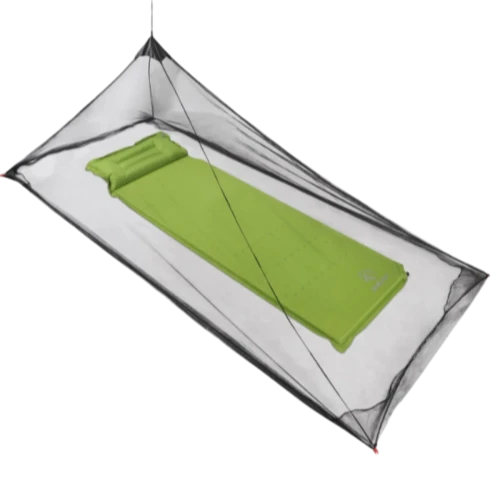
In essence, a hanging mosquito net for bed is a lightweight, usually fine-meshed fabric canopy designed to be suspended above a bed, creating a physical barrier against mosquitoes and other insects. It’s the simplest form of personal protective equipment in tropical and subtropical regions. From a humanitarian perspective, they’re an affordable, scalable method to reduce vector-borne diseases in vulnerable communities. Industrially, they’re often part of the standard sleeping arrangements in camps, hospitals, or even hotels in risk areas. The nets are typically treated with insecticides for enhanced protection, though increasingly, untreated versions are used alongside other control methods. Their ability to balance simplicity with efficiency is why they’re still so relevant in an age of high-tech medical interventions. ---Key Components That Make a Quality Mosquito Net for Bed
1. Mesh Density and Material
The mesh must be fine enough to keep even the smallest mosquitoes out but breathable enough for comfort. Common materials include polyester or polyethylene, both lightweight and durable. Many modern nets come with anti-mosquito coatings that last multiple washes.2. Hanging Mechanism
A secure, easy-to-install hanging system is crucial. Some models use simple loops and strings, while others have pop-up rings or frames for quicker deployment. The choice affects scalability and user adoption, especially in emergency situations.3. Size and Coverage
Complete bed coverage without gaps is king. Oversized nets are favored because partial protection is almost worse than none — mosquitoes sneak through corners or gaps. The design should consider varied bed sizes from single cots to double beds.4. Treatment and Safety
Long-lasting insecticidal nets (LLINs) have become industry standards, reducing the need for re-treatment. However, safety profiles on chemicals used are critical, particularly for children and pregnant women.5. Durability
Since many nets endure rough handling and frequent washing, snag resistance and tear strength matter a lot. That’s where higher-grade fibers and stitching can justify added upfront cost. ---
Mini Takeaway: The magic of hanging mosquito nets lies in their simplicity—fine mesh, reliable hanging, and a design geared toward full coverage. The details count, because tiny holes or weak hangers can cost lives.
---
How the Hanging Mosquito Net for Bed Is Used Around the World
In real terms, the applications are surprisingly diverse. In African rural regions, they serve as a frontline defense against malaria amid housing with no air conditioning or window screens. The UNHCR uses hanging mosquito nets extensively in refugee camps, ensuring that the most vulnerable have some protection from tropical insects. In Asia, where dengue outbreaks occur suddenly, many urban hospitals adopt bed nets for patient wards. Industrial zones in South America where malaria and Chagas disease are common see companies providing nets in worker accommodations to ensure health compliance. Even in luxury eco-lodges in malaria-risk zones, hanging mosquito nets are presented as upscale, functional decor, combining safety with aesthetic. These nets have entered disaster relief kits, part of WHO and Red Cross interventions during outbreaks or after floods, where mosquito populations spike dramatically. The ease of transportation and deployment means they’re often among the first arrivals. ---Product Specification of a Typical Premium Hanging Mosquito Net for Bed
| Feature | Specification |
|---|---|
| Material | High-density polyester mesh |
| Mesh Size | 156 holes per square inch (approx. 2x2 mm) |
| Dimensions | 220 cm x 150 cm x 150 cm (fits double beds) |
| Insecticide Treatment | Permethrin, LLIN-certified, effective up to 3 years |
| Hanging Mechanism | 4-point corner loops with adjustable ropes |
| Weight | Approx. 300 grams |
Vendor Comparison: What to Look for When Buying a Mosquito Net
| Feature | Vendor A | Vendor B | Vendor C |
|---|---|---|---|
| Price per Unit | $7.50 | $12.00 | $9.00 |
| LLIN Certification | Yes (WHO Standards) | No | Yes (WHO Standards) |
| Durability Rating | High (6 months+ intensive use) | Medium (3 months use) | High |
| Weight | 300g | 400g | 320g |
| Ease of Installation | Simple 4-point hang | Complex frame setup | Pop-up style |
The Tangible Benefits: Why Hanging Mosquito Nets Are Worth It
There’s the obvious advantage: preventing mosquito bites and thus limiting disease transmission. But dig deeper, and the benefits multiply. - Cost-effective: A single net can protect multiple people for years. Their low price point has made them a cornerstone in public health budgets. - Sustainability: Reusable and relatively low-impact production means less waste than chemical sprays. - Social dignity: Being able to sleep safely under a net restores a sense of security and normalcy, especially in refugee camps or disaster zones. - Trust in innovation: Continuous evolution toward longer-lasting and safer nets helps sustain user confidence. On a personal note, many engineers and field workers mention how seeing families ‘take back’ their nights from mosquitoes is profoundly rewarding. You realize it’s not just about fabric and strings—it’s about peace of mind. ---What’s Next? Future Trends in Hanging Mosquito Nets
Materials science continues to evolve. Nano-fiber meshes promise stronger, lighter nets. Innovations in biodegradable fibers could reduce plastic accumulation, addressing sustainability concerns. Moreover, some companies experiment with smart nets embedded with sensors for mosquito activity monitoring—oddly enough, like an early warning system right at your bedside. Policy-wise, integration with national health programs, using digital tracking for distribution effectiveness, is increasing. Sustainability means also considering the entire lifecycle—from production through disposal. Frankly, the humble hanging mosquito net feels poised for a modern makeover. ---Common Challenges and How Industry Is Tackling Them
- Durability: Nets can tear, reducing protection. Solution: Reinforced edges and better stitching. - Insecticide Resistance: Mosquitoes developing resistance to chemicals. Innovation: Rotating insecticides and new compounds. - User Compliance: Sometimes nets aren't used because of heat or difficulty hanging. Design improvements like pop-up frames and breathable fabrics help. - Distribution in Remote Areas: Logistics can be tough. Partnerships between NGOs and private sector aim to streamline supply chains. ---FAQ: Your Mosquito Net Questions Answered
- Q: How often should I replace my hanging mosquito net?
A: Generally, long-lasting insecticidal nets (LLINs) retain effectiveness up to 3 years with proper care. Inspect for tears and insecticide wear yearly. - Q: Can I wash my mosquito net without losing protection?
A: Yes, but use mild soap, avoid harsh scrubbing, and air dry away from direct sunlight to preserve insecticide treatment. - Q: Are untreated nets effective?
A: Untreated nets provide a physical barrier but lack insecticide protection, reducing overall effectiveness, especially in high-risk areas. - Q: What's the best way to hang the net for maximum protection?
A: Ensure the net covers the entire sleeping area without gaps and use the hanging points provided to maintain tension, preventing mosquitoes from finding access.
Wrapping Up: The Lasting Impact of Hanging Mosquito Nets
In the end, the hanging mosquito net for bed is a humble yet powerful tool that save lives in the simplest ways. It marries biology, design, and human need, often flying below the radar of public attention. Whether in a bustling city hospital or a remote village hut, the difference a good net makes is profound. If you want to learn more or shop quality nets, visit our website: hanging mosquito net for bed. ---

Latest news
-
Best Guide to Choose a Screen Door for Sliding Door for Your Home
NewsApr.16,2026 -
The Ultimate Guide to Choosing a screen door for a sliding door
NewsApr.09,2026 -
Choosing the Perfect Patio Sliding Screen Door for Your Home
NewsApr.07,2026 -
Choosing the Best Patio Screen Door with Frame for Your Home and Lifestyle
NewsApr.04,2026 -
Comprehensive Guide to Net Sliding Door Price Factors and Options
NewsMar.31,2026 -
Enhance Your Outdoor Space with a Durable Net Sliding Door for Balcony
NewsMar.28,2026 -
Discover the Benefits of Net Door Sliding Systems for Modern Homes
NewsMar.26,2026