

Nov . 29, 2025 23:00 Back to list
Hanging Mosquito Net: Global Health, Practical Design & Future Trends
Why Hanging Mosquito Nets Matter — Beyond Just Bug Protection
If you travel to tropical or subtropical regions, chances are you’ve met this simple but powerful tool: the hanging mosquito net. But it’s much more than just a “net.” On a global scale, mosquito nets are lifesavers — literally. They block malaria and dengue-carrying mosquitoes, protect millions in vulnerable communities, and underpin major humanitarian relief strategies.
Understanding the hanging mosquito net means diving into global health challenges, material science, and the subtle art of designing something easy to hang, durable, and affordable. Plus, the benefits ripple outward: fewer illnesses, improved sleep quality, and even economic stability for families that don’t miss work due to mosquito-borne disease.
The Global Stage: Why Hanging Mosquito Nets Are Still Vital
The World Health Organization estimates that in 2021, malaria infected nearly 247 million people worldwide, with more than 600,000 deaths. Most of these tragedies could be prevented with simple measures — like proper mosquito net coverage (Source: WHO Malaria Facts).
While insecticides and vaccines receive media attention, the hanging mosquito net remains one of the most cost-effective interventions. The UN and NGOs heavily distribute these nets in endemic regions, but challenges persist: distribution logistics, net durability, and cultural acceptance often complicate efforts. Still, the simple hanging mosquito net sits at the intersection of public health, product design, and local culture — quite a remarkable place for a piece of mesh.
Hanging Mosquito Nets: What Are They Exactly?
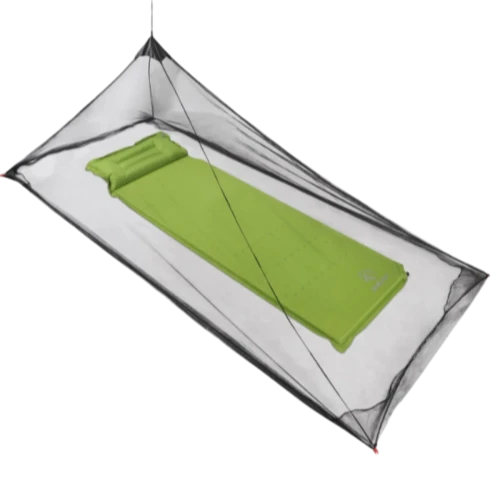
A hanging mosquito net is essentially a fine mesh curtain hung usually around a sleeping area, designed to physically block mosquitoes and other bugs while allowing airflow. Often made from polyester or polyethylene fabric, these nets come in different sizes and shapes — rectangular, conical, or even circular — to fit beds, hammocks, or even entire rooms.
The connection between these nets and global humanitarian or development sectors is clear. They’re simple enough for local communities to use without technical support, yet designed thoughtfully enough to serve in complex settings like refugee camps or off-grid villages.
Mini Takeaway:
- Hanging mosquito nets are simple but essential health tools worldwide.
- Malaria control hinges on widespread, proper use.
- Design and materials make all the difference in usage and longevity.
Key Characteristics that Define Effective Hanging Mosquito Nets
1. Durability and Material Strength
Bottom line: no one wants a net that tears after a few months. Manufacturers increasingly use high-denier polyester with UV-resistant coatings, extending net life beyond two years in harsh conditions. Thin mesh can be strong, but the weave density matters a lot — too loose, and mosquitoes slip through; too tight, and ventilation suffers.
2. Ease of Installation and Scalability
A hanging mosquito net that’s a pain to set up may never be used properly. Designs often include hanging loops, lightweight rings, and clear instructions — ideally, something one person can handle alone. For distribution programs, scalability is key: nets must ship flat, be compact, and simple to deploy in any setting.
3. Size and Shape Versatility
Whether you’re in a tropical hotel, a rural hut, or a disaster relief tent, a net must fit the local sleeping environment. Conical nets hang from a single point, ideal for portability, while rectangular nets cover larger beds without gaps. This versatility reduces “net fatigue” and increases ongoing use.
4. Cost Efficiency
Bearing in mind tight NGO budgets and consumer markets in developing countries, keeping costs low while maintaining quality is an ongoing engineering and sourcing challenge. Innovations like recycled materials or local fabrication sometimes help balance price and performance.
5. Chemical Treatments and Safety
Some nets come pre-treated with insecticides such as permethrin, which kill or repel mosquitoes on contact. These long-lasting insecticidal nets (LLINs) enhance protection but require adherence to safety standards and retraining on care and washing.
Mini Takeaway:
- Material, design, and user-friendliness determine real-world success.
- Balancing cost, longevity, and performance is an ongoing process.
- Keen understanding of local contexts boosts proper use.
Hanging Mosquito Nets in Action: Where and How They Change Lives
The major use case is endemic tropical regions in sub-Saharan Africa, Southeast Asia, and parts of Latin America. Here, community-wide net distributions — often funded by global health initiatives and governments — have led to significant drops in malaria incidence.
But they’re not just for homes. You’ll find hanging mosquito nets deployed inside refugee shelters, remote research stations, and even outdoor camping gear. I once heard about a project equipping isolated mining camps with sturdy hanging nets to reduce downtime from illness.
In post-disaster relief operations, portable hanging mosquito nets become vital commodities — easy to transport, fast to install, and dramatically lowering vector-borne disease risk in temporary shelters.
Product Specification Table — Example Hanging Mosquito Net Model
| Specification | Details |
|---|---|
| Material | Polyester, 75 denier, UV-resistant coating |
| Mesh Size | 156 holes/inch² (1.2 mm opening) |
| Shape | Rectangular, 4 suspension loops |
| Insecticide Treatment | Permethrin, 20 wash cycles durability |
| Weight | Approx. 350 grams |
| Dimensions | 210 x 160 x 150 cm (LxWxH) |
Vendor Comparison: Popular Hanging Mosquito Nets
| Brand | Material | Insecticide Treated | Avg. Price (USD) | Warranty/Support |
|---|---|---|---|---|
| SafeNet Plus | Polyester (75 denier) | Yes (Permethrin) | $12 - $15 | 12 months |
| EcoBug Net | Recycled Polyester | No | $9 - $11 | 6 months |
| Guardian Mesh | Polyethylene (lightweight) | Yes (Alpha-cypermethrin) | $14 - $17 | 18 months |
Long-Term Benefits of Hanging Mosquito Nets
It might be tempting to view hanging mosquito nets as a simple, low-tech solution, but their impact runs deep. They provide reliable, chemical-free (or minimally treated) physical barriers that protect vulnerable populations for years. When distributed at scale, they help reduce the global malaria burden, support economic growth through healthier communities, and even protect dignity by enabling restful sleep without fear.
On a personal level, I’ve seen how owning a well-designed mosquito net changes minds and habits. It’s not just protection — it’s empowerment. You feel safer, more in control, and connected to broader efforts tackling global health.
Looking Ahead: Future Trends in Hanging Mosquito Nets
The future, oddly enough, includes both high-tech and grassroots innovation. New materials like biodegradable polymers reduce environmental impact. Smart mosquito nets embedded with sensors are being prototyped, capable of detecting mosquito presence and alerting users or community workers.
Policy frameworks increasingly emphasize sustainability — encouraging LLIN recycling programs and integrating nets with solar-powered lights or fans for comfort. Digital platforms enhance distribution efficiency, tracking net usage and wear remotely to forecast replacements.
Challenges & Practical Solutions
Of course, no solution is perfect. Nets face wear and tear, misuse, and cultural resistance. Some users perceive nets as uncomfortable or too hot — which limits adoption. The insecticide component, while effective, raises concerns about chemical exposure.
Innovative NGOs now work hand-in-hand with communities, adapting net designs and education campaigns to local needs. Examples include nets that ‘breathe’ better, or culturally tailored messaging emphasizing mosquito net benefits alongside local customs. Durability testing in real conditions also helps improve future models.
FAQ: Common Questions About Hanging Mosquito Nets
- Q: How long does an insecticide-treated hanging mosquito net last?
- A: Typically, long-lasting insecticidal nets (LLINs) maintain effectiveness for about three years or 20 washes, depending on conditions. Proper care extends this life significantly.
- Q: Can I use a hanging mosquito net outdoors?
- A: Yes, many nets are designed portable and durable enough for outdoor use, such as camping or field research. Just ensure proper hanging points and check for UV resistance.
- Q: Are there eco-friendly mosquito nets available?
- A: Increasingly, brands use recycled polyester or biodegradable materials. However, the main tradeoff is cost and durability—you’ll often get what you pay for in extreme conditions.
- Q: How important is mesh size?
- A: Very important! Mesh too wide lets mosquitoes through; too tight reduces airflow and may discourage use. Standard WHO recommended mesh size is around 156 holes per square inch.
- Q: How does one properly install a hanging mosquito net?
- A: Most nets come with suspension loops or rings. Securely fixing them to the ceiling or frame so the net fully encloses the sleeping area without gaps is key to effectiveness.
Conclusion: More Than Just a Mesh Barrier
Clearly, the hanging mosquito net remains a cornerstone of global health efforts and practical everyday use. Its design, material quality, and thoughtful deployment can save lives, improve comfort, and promote dignity worldwide. For anyone working in health, humanitarian aid, or looking to keep those pesky bugs at bay, understanding these simple yet powerful nets is crucial.
Visit our website at https://www.crscreen.com to explore high-quality hanging mosquito nets suited to diverse needs and environments.
References


Latest news
-
Best Guide to Choose a Screen Door for Sliding Door for Your Home
NewsApr.16,2026 -
The Ultimate Guide to Choosing a screen door for a sliding door
NewsApr.09,2026 -
Choosing the Perfect Patio Sliding Screen Door for Your Home
NewsApr.07,2026 -
Choosing the Best Patio Screen Door with Frame for Your Home and Lifestyle
NewsApr.04,2026 -
Comprehensive Guide to Net Sliding Door Price Factors and Options
NewsMar.31,2026 -
Enhance Your Outdoor Space with a Durable Net Sliding Door for Balcony
NewsMar.28,2026 -
Discover the Benefits of Net Door Sliding Systems for Modern Homes
NewsMar.26,2026