

Nov . 29, 2025 21:25 Back to list
Hanging Mosquito Nets – Essential Protection Against Mosquito-Borne Diseases
Understanding the Hanging Mosquito: Why It Matters Globally
You might wonder: what’s so special about a hanging mosquito? Beyond being a curious phrase, it represents a niche yet vital tool in both everyday living and humanitarian contexts around the world. Basically, a hanging mosquito refers to a suspended mosquito net or protective barrier designed to shield individuals from mosquito bites — which, in turn, helps prevent diseases like malaria, dengue, and Zika.
Globally, the burden of mosquito-borne illnesses remains significant. According to the World Health Organization, malaria alone caused an estimated 602,000 deaths in 2021, mostly in sub-Saharan Africa. Tackling this public health challenge requires practical, affordable, and effective tools — and that’s exactly where hanging mosquito nets come into play. Understanding their importance is not just an academic exercise but a commitment to safer living conditions and healthier communities worldwide.
Mini takeaway: Hanging mosquito nets are more than just household items — they are frontline protectors against inconvenient nuisances and life-threatening diseases.
Global Context: The Importance of Hanging Mosquito Nets Today
Across regions and ecosystems, mosquitoes adapt but the threat they pose remains constant. The hanging mosquito net’s relevance increases as climate changes push mosquitoes into new territories, exposing wider populations. Data from the United Nations indicate climate variability has expanded mosquito habitats by roughly 5–8% globally over the past two decades.
But delivering these defenses to vulnerable communities isn’t a walk in the park. Challenges include damaged infrastructure, cost constraints, and cultural acceptance. In many rural or disaster-stricken areas, hanging nets are one of the few readily deployable solutions — light, portable, and usually requiring no power source.
Mini takeaway: Climate change, urbanization, and poverty all increase the need for effective mosquito protection — making hanging nets a scalable, global solution.
What Exactly Is a Hanging Mosquito? The Basics Explained
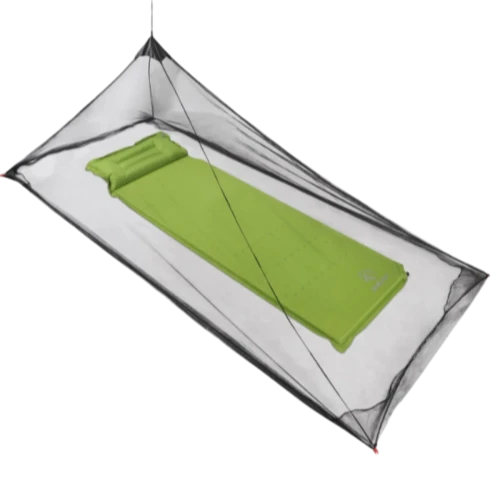
Simply put, a hanging mosquito refers to mosquito nets suspended above sleeping or living areas. They come in various shapes — rectangular, conical, or box-shaped — and are typically made of fine mesh fabric that’s tough enough to keep out insects but breathable for comfort.
In industrial and humanitarian uses, these nets extend beyond homes. Hospitals, emergency shelters, military outposts, and refugee camps deploy hanging mosquito nets to safeguard vulnerable populations, especially where air conditioning and window screens aren’t feasible.
Core Attributes of Effective Hanging Mosquito Nets
1. Durability
A good hanging mosquito net isn’t just about keeping bugs out — it has to stand up to wear and tear. Many nets use polyester or polyethylene fabric, treated for UV resistance and insecticide impregnation. This treatment prolongs net life and adds a chemical barrier.
2. Ease of Installation
A bulky net that takes an hour to hang defeats its purpose in rapid-response environments. Many modern designs include pre-attached loops, hooks, or collapsible frames making deployment quick and—even better—intuitive.
3. Portability
Weight and pack size are critical, especially for NGOs or military units. Lightweight nets that compress into small bags contribute to easier transport and fast shipment worldwide.
4. Cost Efficiency
Budget restraints are real. Mass production and bulk procurement reduce costs, though quality remains paramount. A net that lasts three years and offers protection beats disposable, cheap alternatives any day.
5. Scalability
Manufacturers and aid organizations increasingly focus on scalability — can this hanging mosquito solution serve small families or big community centers alike? Modular designs or layered nets can address varying population densities.
Mini takeaway: Durability, portability, and user-friendliness are non-negotiable qualities in hanging mosquito nets, blending practicality with protection.
Where Hanging Mosquito Nets Really Shine: Global Use Cases
- Sub-Saharan Africa: Widespread malaria risk makes hanging nets a top priority. Countries like Nigeria and Kenya distribute millions annually through government campaigns.
- Southeast Asia: Dengue fever hotspots in Thailand and the Philippines rely on hanging mosquito nets deployed in both urban and rural clinics.
- Disaster relief zones: After floods or hurricanes, camps for displaced people often leverage hanging mosquito nets to prevent secondary epidemics.
- Remote industrial sites: Mining or oil extraction camps in mosquito-heavy regions use hanging nets to protect workers, minimizing health-related downtime.
These are just the tip of the iceberg. Even tourist lodges in tropical zones often install hanging mosquito nets for guest comfort and safety.
Mini takeaway: From health clinics to disaster camps, hanging mosquito nets are versatile, simple, yet profoundly impactful.
Advantages and Long-Term Value of Hanging Mosquito Nets
When you break it down, the tangible benefits of hanging mosquito nets look compelling:
- Cost Savings: Preventing disease reduces expensive treatments and lost labor.
- Sustainability: Many nets now use eco-friendly insecticides and materials.
- Social Impact: Communities feel safer and more secure, which boosts productivity and education.
- Reliability: Unlike sprays or repellents requiring frequent use, hanging nets work passively all night long.
On an emotional level, a hanging mosquito net symbolizes peace of mind. The ability to sleep soundly, without wakening to itching or buzzing, is often underestimated until it’s gone.
Looking Forward: Innovations and Future Trends in Hanging Mosquito Nets
New materials like graphene-infused fibers promise ultra-thin yet ultra-strong fabrics that could revolutionize hanging mosquito nets. Integration with smart sensors—to detect and alert populations to mosquito density in real-time—could soon be reality.
On the sustainability front, biodegradable nets and non-toxic insecticides are increasingly prioritized. Organizations align efforts with global goals like the United Nations Sustainable Development Goals (SDGs), especially Goal 3 (Good Health and Well-being).
Automation in manufacturing promises cost reductions and rapid product iterations, improving accessibility worldwide.
Challenges Facing Hanging Mosquito Nets and How to Overcome Them
No product is perfect. Common issues include net damage, improper use, and insecticide resistance. Sometimes communities reject nets due to discomfort or cultural preferences.
Addressing these: NGOs conduct education campaigns, redesign nets for local climates (improved ventilation), and develop insecticide formulations that delay resistance.
Manufacturers also offer customization — different sizes, colors, and installation options — to increase acceptance and longevity.
FAQ: Your Questions About Hanging Mosquito Nets Answered
- Q: How long do hanging mosquito nets typically last?
- A: Most insecticide-treated nets last about 3 to 5 years under normal use, though this varies by material quality and care.
- Q: Can hanging mosquito nets be used outdoors effectively?
- A: Yes, but they must be installed in sheltered places to avoid damage from rain or wind. Specialized outdoor nets with UV-resistant materials exist.
- Q: Are insecticide-treated nets safe for children and pregnant women?
- A: WHO-approved insecticides in treated nets are generally safe when used properly, but it’s advised to follow guidelines and avoid contact during application.
- Q: What is the best way to maintain hanging mosquito nets?
- A: Regular cleaning with mild soap, careful drying (avoid direct sun if possible), and repair of any holes prolong the net’s life.
- Q: How can organizations procure hanging mosquito nets internationally?
- A: Many suppliers offer bulk purchasing with international shipping, and partnerships with NGOs help navigate customs and delivery logistics.
Conclusion: Why Hanging Mosquito Nets Remain a Smart, Lifesaving Choice
In the grand scheme of public health and comfort, hanging mosquito nets bridge a vital gap between vulnerability and protection. Their blend of cost efficiency, adaptability, and proven results keeps them trending decades after invention.
To explore a broad range of innovative mosquito net solutions, visit our website. Because sometimes, it’s the simple things—like a hanging mosquito net—that make the biggest difference.
Product Specification Table
| Feature | Standard Model | Premium Model | Ultra-Light Model |
|---|---|---|---|
| Material | Polyester Mesh, 75 denier | Polyethylene Mesh, 100 denier with insecticide | Graphene-infused fiber, 50 denier |
| Dimensions (L × W × H) | 210 × 150 × 150 cm | 230 × 160 × 160 cm | 200 × 140 × 140 cm |
| Weight | 350 g | 400 g | 180 g |
| Installation | Four-point hanging loops | Magnetic quick-hooks + collapsible frame | Elastic cords + lightweight frame |
| Insecticide Treatment | None | Permethrin-treated | None (non-toxic fibers) |
| Estimated Lifespan | 3 years | 5 years | 4 years |
Vendor Comparison: Popular Hanging Mosquito Net Suppliers
| Vendor | Product Range | Price Range (USD) | Global Reach | Special Features |
|---|---|---|---|---|
| SafeNet Corp. | Basic & insecticide-treated nets | $5–$15 | Africa, Asia, Latin America | ULV spray compatible |
| EcoMesh Industries | Biodegradable fiber nets | $12–$25 | Europe, Asia, USA | Non-toxic insecticides, sustainability certified |
| MosquitoGuard Solutions | Smart nets with sensor tech | $25–$40 | Global | Real-time vector monitoring, app integration |
References


Latest news
-
Best Guide to Choose a Screen Door for Sliding Door for Your Home
NewsApr.16,2026 -
The Ultimate Guide to Choosing a screen door for a sliding door
NewsApr.09,2026 -
Choosing the Perfect Patio Sliding Screen Door for Your Home
NewsApr.07,2026 -
Choosing the Best Patio Screen Door with Frame for Your Home and Lifestyle
NewsApr.04,2026 -
Comprehensive Guide to Net Sliding Door Price Factors and Options
NewsMar.31,2026 -
Enhance Your Outdoor Space with a Durable Net Sliding Door for Balcony
NewsMar.28,2026 -
Discover the Benefits of Net Door Sliding Systems for Modern Homes
NewsMar.26,2026